Food safety during export does not end when products leave the processing line. During international transportation, agricultural products can still face contamination risks from moisture, pests, chemical residues, foreign materials, and unsuitable shipping conditions.

For exporters of organic cashew kernels, dried mango, and passion fruit products, a shipping container inspection checklist is an important part of shipment preparation. Checking container cleanliness, packaging integrity, loading conditions, and transportation requirements helps protect product quality from the factory to the final destination.
A shipping container may look clean from the outside while still presenting risks to food cargo. Before loading, inspect the interior carefully, including the floor, walls, ceiling, doors, corners, and ventilation openings where applicable.
Look for the following potential problems:
- Moisture and water leaks: Wet surfaces, water stains, or signs of leakage may damage packaging and increase the risk of product deterioration.
- Unusual odors: Chemical, fuel, solvent, or other unexplained odors may indicate contamination or residues from previous cargoes.
- Pests and debris: Insects, droppings, plant debris, and residues should be investigated before the container is approved for use.
- Structural damage: Holes, gaps, flaking surfaces, or damaged door seals may expose cargo to external contamination or moisture.
- Residual cargo materials: Dust, loose particles, and remnants of previous shipments should be removed before loading.
If the container has unexplained odors, visible contamination, water ingress, or structural defects, loading should be paused until its suitability has been assessed and the issue resolved.

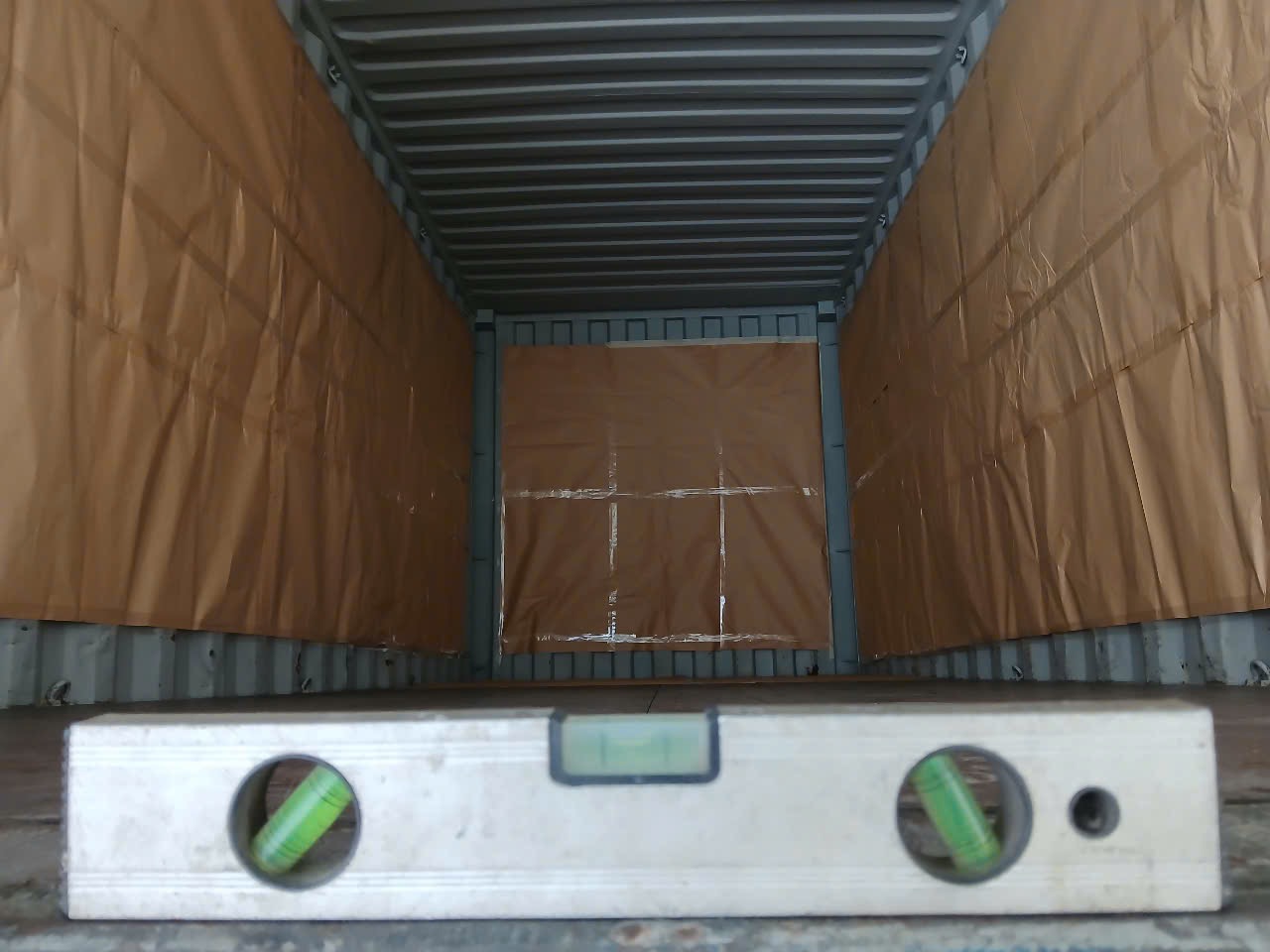
Packaging provides an important protective barrier between food products and the external environment. Even when a container is suitable, damaged packaging can compromise product protection during transportation.
Before loading, confirm that bags, liners, vacuum packs, and cartons are intact, dry, and appropriate for the intended product. Pay particular attention to:
- Torn seams, punctures, or damaged packaging materials.
- Broken seals or signs of leakage.
- Wet, crushed, or visibly contaminated cartons.
- Missing or illegible product and lot identification.
- Packaging that may be unsuitable for the expected transport conditions.
Pallets should be clean, dry, and structurally sound, without visible pests, protruding nails, or loose fragments that could damage the cargo.
When wooden packaging is used in international trade, check the applicable phytosanitary requirements of the destination country. Where ISPM 15 applies, ensure that the relevant wood packaging meets the applicable requirements.
For buyers sourcing cashew products, packaging suitability should be considered alongside the product grade and agreed delivery specifications. Explore Target Agriculture's cashew product range for more information about available cashew products.
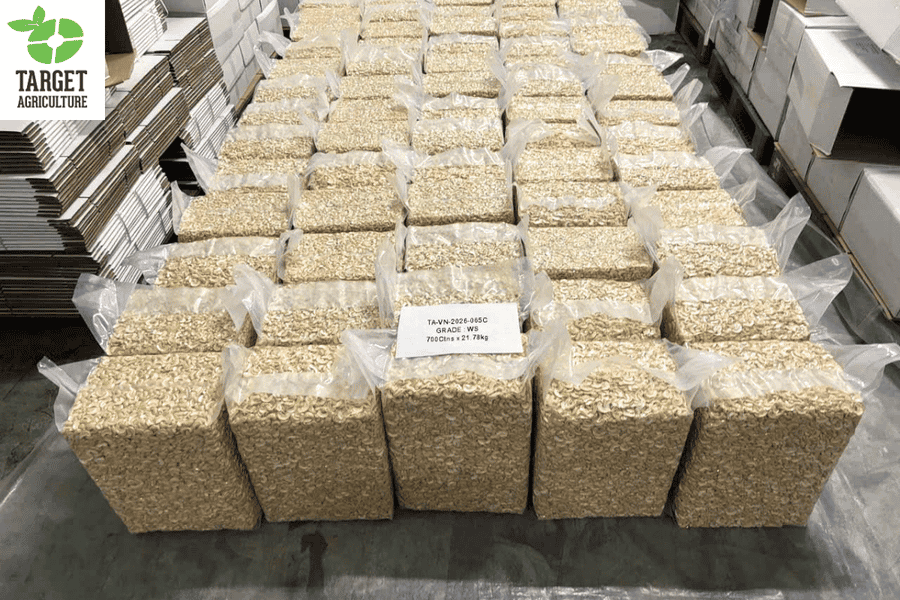
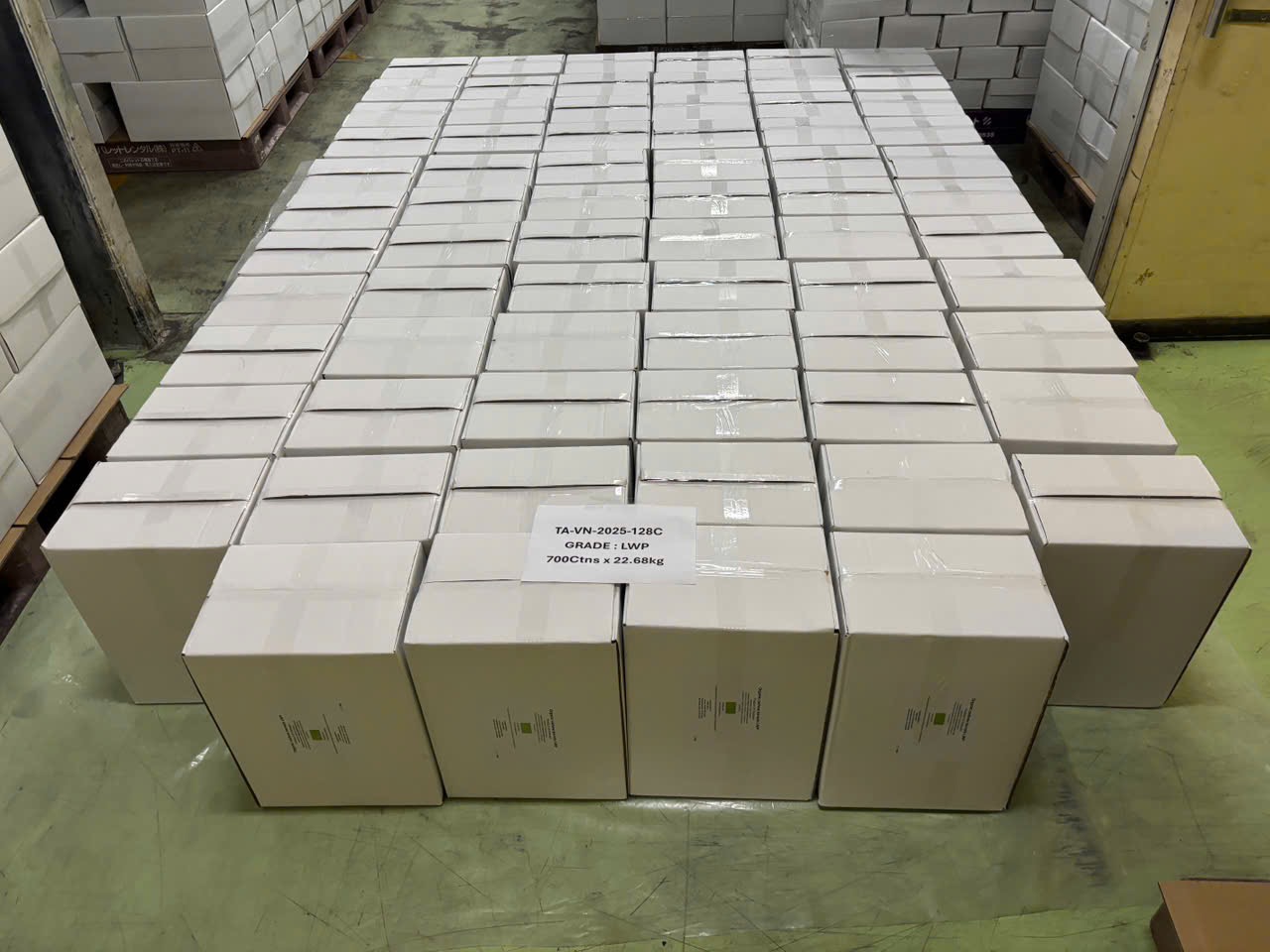
A container that passes inspection can still become contaminated if loading practices are inadequate. Products may be exposed to rain, dust, insects, dirty handling equipment, or incompatible materials during this stage.
To reduce these risks, loading teams should:
- Keep products protected from rain, dust, and pests during loading.
- Check that handling equipment is clean and suitable for the operation.
- Follow appropriate personnel hygiene and handling procedures.
- Prevent food packages from contacting contaminated floors or surfaces.
- Keep food products separated from incompatible chemicals and other potential contaminants.
- Review previous cargo information when relevant to assessing contamination risks.
- Minimize unnecessary exposure in loading areas.
- Arrange cargo to avoid crushed packaging and maintain any ventilation requirements specified for the shipment.
These precautions are particularly important for organic products. Unintended contact with prohibited substances or inadequate segregation may compromise organic integrity and create additional compliance concerns.
Appropriate handling should therefore form part of a broader quality-control system rather than being treated as an isolated loading activity.
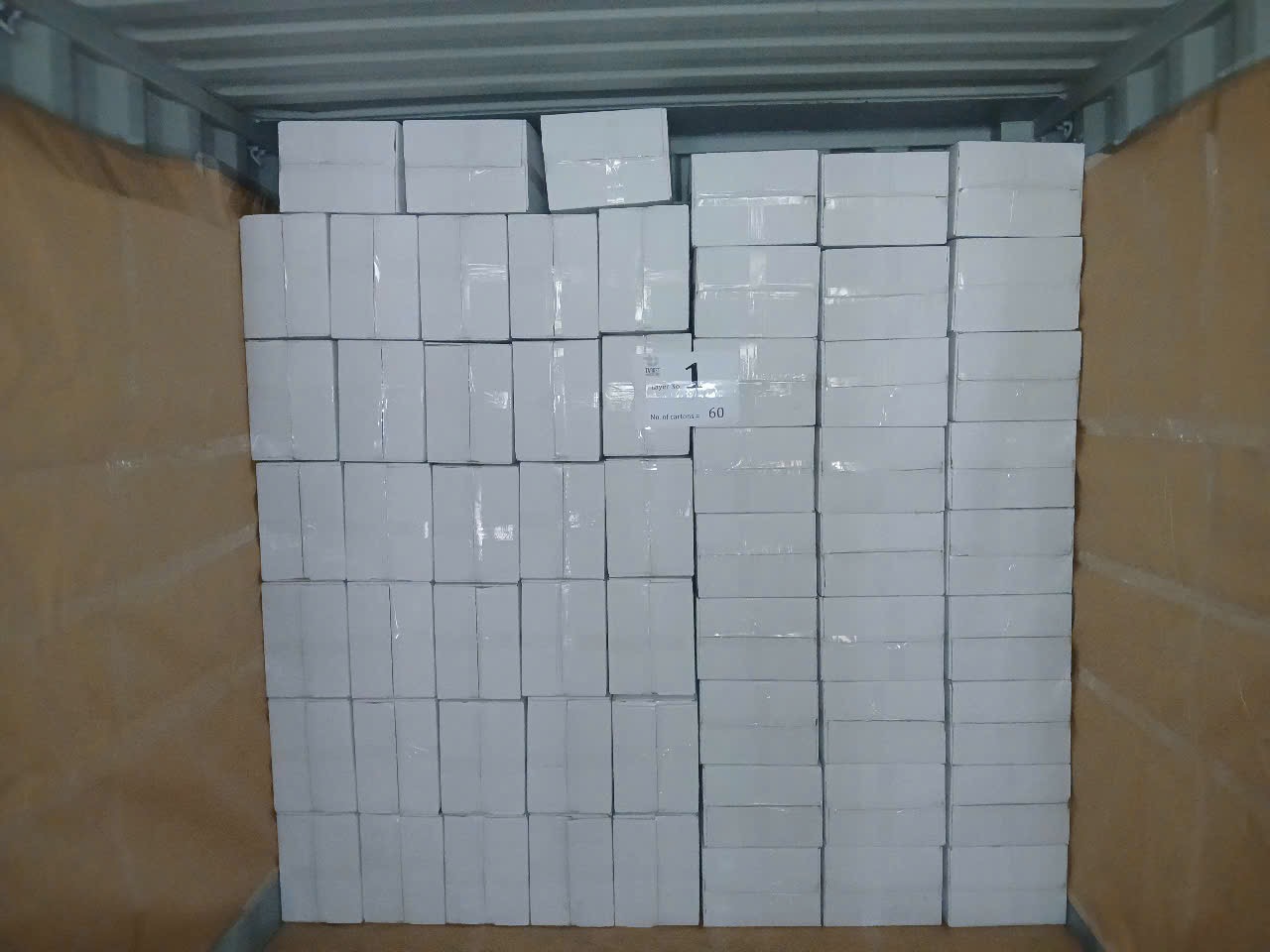
Different agricultural products require different transportation conditions. A suitable shipping arrangement should account for the product's characteristics, packaging, expected transit duration, and destination requirements.
For dried products such as cashew kernels and dried mango, packaging integrity, moisture protection, and suitable storage conditions are important considerations.
Before loading, check that products and packaging are dry and that the container is suitable for the intended shipment. Temperature fluctuations can contribute to condensation under certain conditions, potentially wetting cartons or other cargo surfaces.
Where appropriate, container desiccants may be considered as one part of a moisture-management plan. Their selection and placement should reflect the cargo, packaging, container conditions, and expected journey.
Learn more about Target Agriculture's tropical fruit products and its organic dried mango slices.
Frozen passion fruit pulp or puree requires a suitable cold-chain arrangement in accordance with the product specification.
Before loading, verify that the required temperature-control equipment is functioning correctly and that the product's temperature meets the applicable loading requirements. Temperature records and monitoring procedures should be maintained where required.
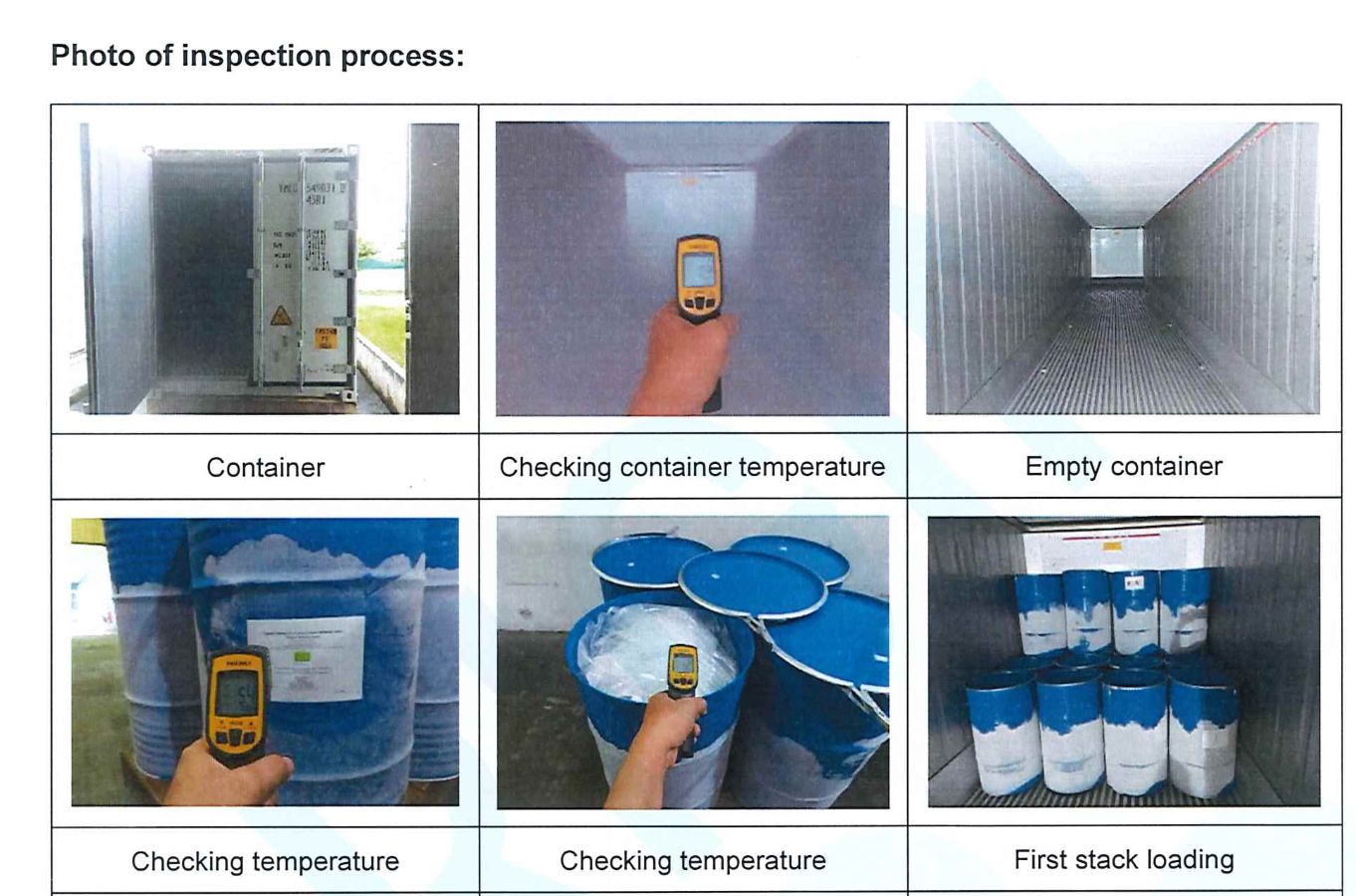
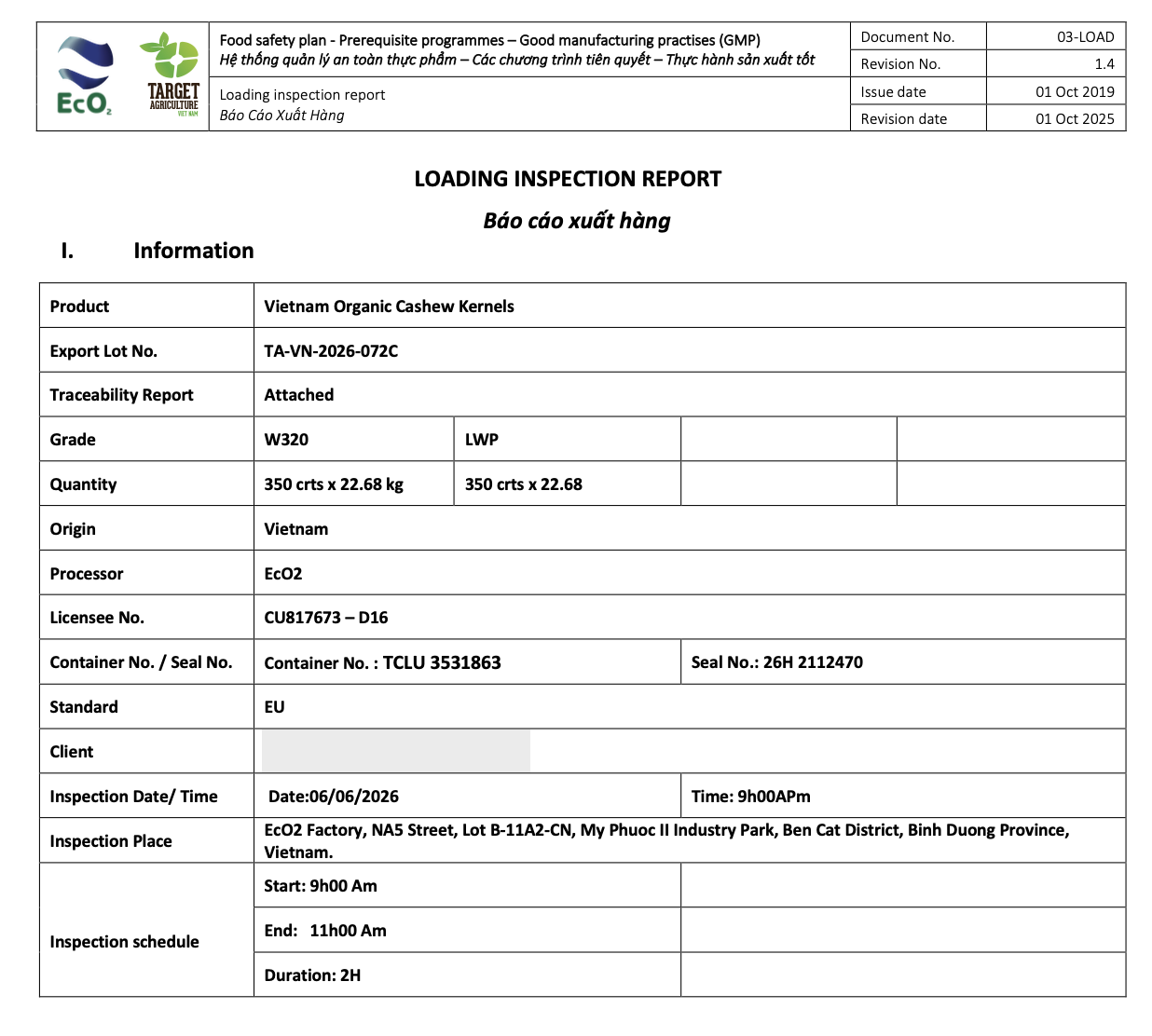
A loading checklist provides evidence that preventive checks have been completed and helps teams investigate issues if a problem is reported after shipment.
Depending on customer requirements and the nature of the cargo, records may include:
- Container number, inspection date, and responsible personnel.
- Container cleanliness and suitability assessment.
- Photographs of the empty container before loading.
- Packaging and pallet condition.
- Product identification, quantity, and lot numbers.
- Temperature readings and records, where applicable.
- Photographs of cargo arrangement and the completed loading process.
- Container seal number and relevant shipping documentation.
- Details of any nonconformities and the corrective actions taken.
Any issue identified during inspection should be documented, assessed, and resolved before shipment release. Records should be clear enough to support traceability and demonstrate that the applicable loading requirements were followed.
Preventing food contamination during export requires more than a quick visual inspection. Container suitability, packaging integrity, hygienic handling, transportation conditions, and reliable documentation must work together.
Before approving a shipment, confirm that:
- The container is clean, dry, structurally sound, and suitable for the cargo.
- Packaging and pallets are intact and appropriate for transportation.
- Loading procedures minimize exposure to potential contaminants.
- Temperature and moisture controls meet the product's requirements.
- Inspection records, lot identification, and shipping documents are complete.
- Any identified nonconformity has been resolved before shipment release.
At Target Agriculture, product quality and export readiness are important considerations when supplying agricultural ingredients to international markets. A systematic approach to shipment preparation helps support product integrity and customer confidence throughout the supply chain.
Looking for an agricultural ingredient supplier for your business? Contact Target Agriculture to discuss your product specifications and sourcing requirements.
 YOUTUBE - LINKEDIN