



Explore five dried mango applications for food manufacturers, from cereals and bakery products to chocolate, energy bars, and fruit mixes.
Dried mango is widely enjoyed as a convenient fruit snack, but its potential goes far beyond stand-alone consumption. With its naturally sweet flavor, tropical aroma, and versatile texture, dried mango can be incorporated into a wide range of food products.
For food manufacturers, it offers an opportunity to introduce fruit-based ingredients, diversify product portfolios, and create new flavor experiences. From breakfast cereals to chocolate products, dried mango can add both sensory appeal and value to different food applications.
Its format, cut size, texture, and sweetness can also influence how it performs in different formulations. Choosing the right dried mango ingredient is therefore an important step in product development.
Here are five ways food manufacturers can use dried mango beyond traditional snacking.
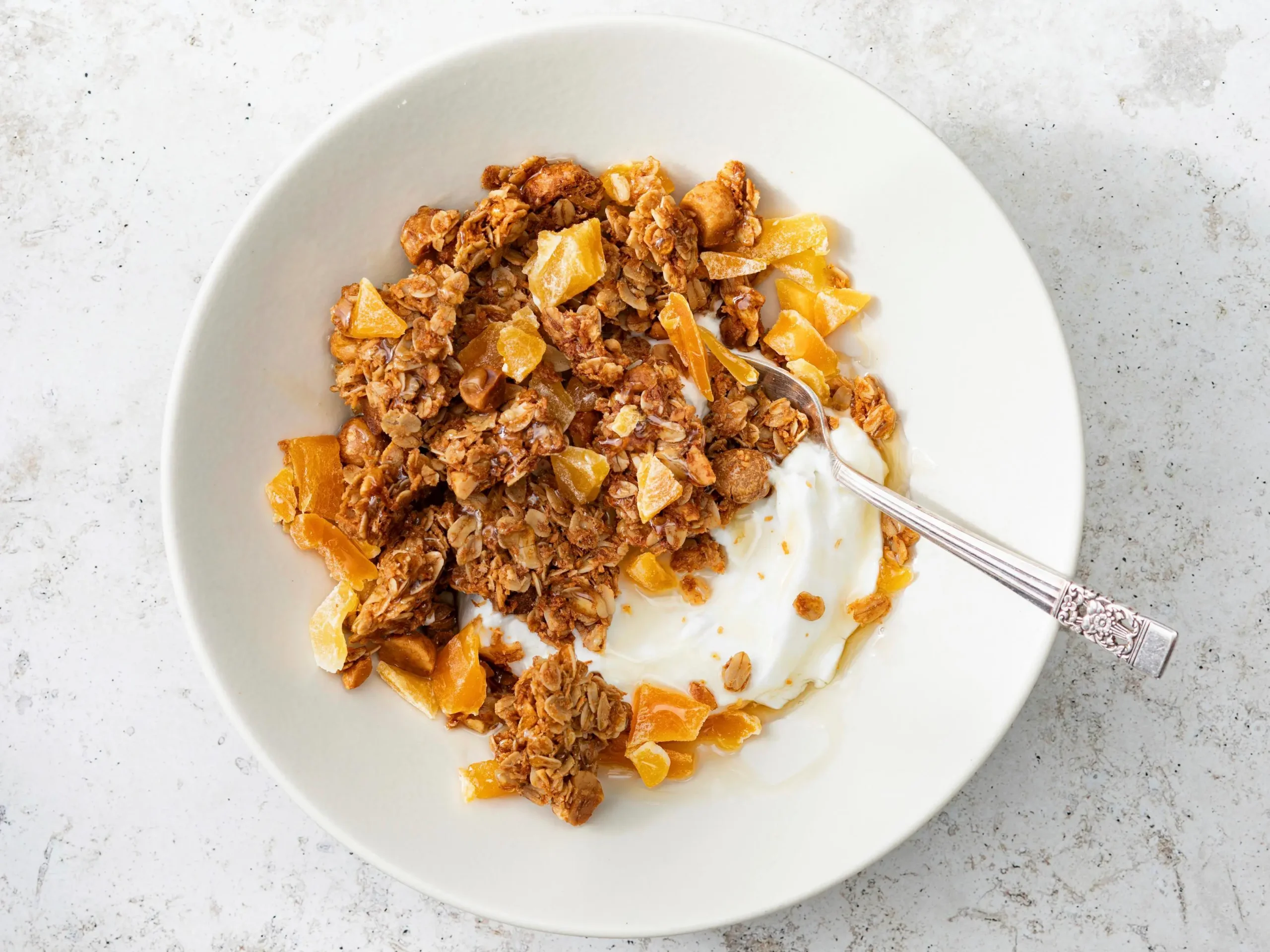
Dried mango is a suitable ingredient for breakfast cereals, granola, and muesli blends. Its natural sweetness and fruity flavor complement oats, nuts, seeds, and other dried fruits.
Manufacturers can use diced or sliced dried mango to create colorful fruit combinations while adding a chewy texture that contrasts with crunchy cereal ingredients.
It can also help diversify traditional breakfast products by introducing tropical fruit flavors without requiring fresh fruit during production.
For product developers, the choice between small diced pieces and larger slices depends on the desired appearance, eating experience, and manufacturing process. Diced mango can be suitable for evenly distributed cereal blends, while larger pieces can create more visible fruit inclusions.

Dried mango can be incorporated into cookies, muffins, cakes, bread, and other bakery products.
Small mango pieces provide fruity notes and a chewy texture, making them an interesting addition to products that traditionally use raisins, cranberries, or other dried fruits.
However, manufacturers should consider particle size, moisture content and formulation compatibility. Excessive moisture or unsuitable piece sizes may affect dough consistency, baking performance, and the final product texture.
Ingredient trials are recommended to determine the appropriate mango size and inclusion level for each recipe. Manufacturers should also assess how the mango pieces behave during mixing, baking, and finished-product storage.
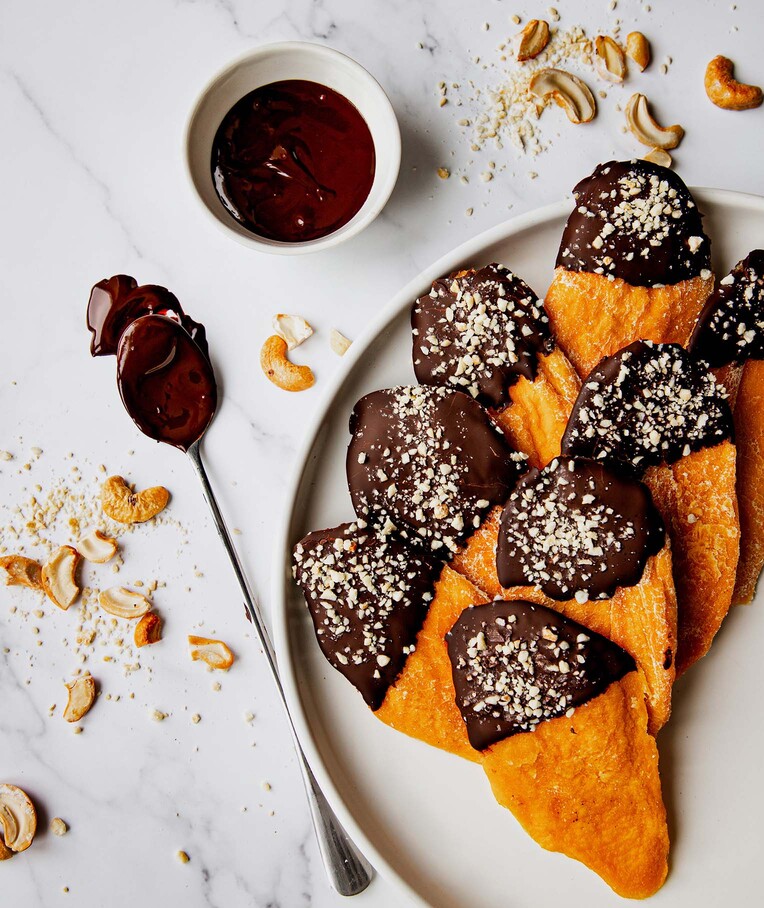
The combination of sweet chocolate and tropical mango creates an appealing flavor contrast.
Dried mango pieces can be used in chocolate bars, chocolate-coated fruit snacks, pralines and confectionery fillings. Their chewy texture also provides a contrast to the smoothness of chocolate.
Dried mango can also be combined with cashews, almonds and other nuts to develop premium fruit-and-nut confectionery products.
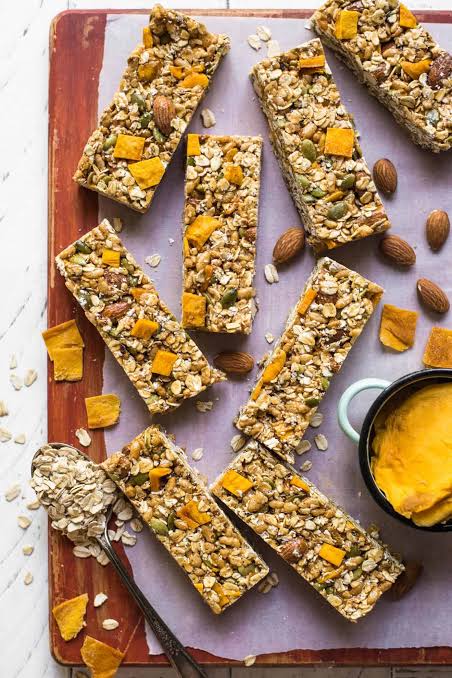
The demand for convenient snack formats has created opportunities for fruit-based ingredients in energy bars, cereal bars and trail mixes. Dried mango can contribute natural fruit flavor, sweetness, and a chewy texture, complementing ingredients such as oats, nuts, seeds, and other dried fruits.
Depending on the formulation, mango pieces can be used as a main fruit component or as part of a mixed-fruit ingredient blend.
For manufacturers, key considerations include moisture content, piece size, binding properties, and ingredient distribution to ensure a consistent texture and stable finished product.
For manufacturers developing premium product lines, the visual size and consistency of mango pieces can be just as important as flavor. Uniform pieces can help create a more consistent appearance across chocolate bars and confectionery batches.
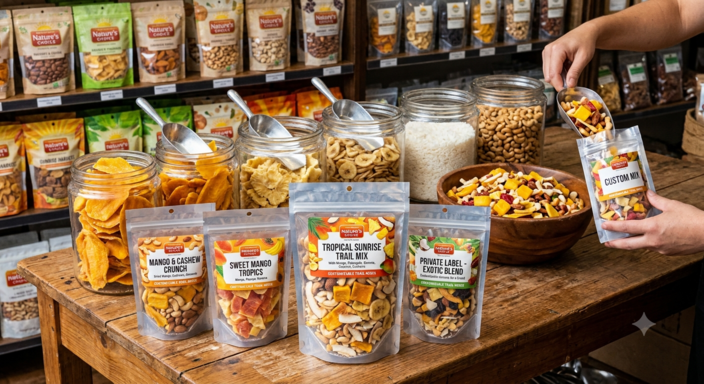
Dried mango can also be used in mixed fruit products, ready-to-eat snack packs, and premium trail mixes. Combining mango with pineapple, banana, coconut, cashews, or other ingredients creates different flavor profiles and product formats for retail markets.
Manufacturers can adjust fruit proportions, cutting sizes and ingredient combinations to develop products for different consumer preferences.
Its versatility also makes dried mango suitable for private-label product development, where brands seek distinctive fruit combinations and flexible ingredient specifications.
For private-label projects, buyers can discuss preferred fruit combinations, ingredient proportions, cut sizes, and packaging formats with their suppliers to develop products that match their target market and brand positioning.
Not all dried mango products are suitable for every food application. Before selecting an ingredient, manufacturers should consider several important factors:
- Moisture content: Influences texture, storage stability and compatibility with other ingredients.
- Piece size and shape: Should match the intended application and production process.
- Texture: Soft, chewy, or firmer pieces may be preferred for different products.
- Sugar content: Naturally sweetened and sugar-added options can support different formulation requirements.
- Microbiological quality: Should meet the applicable food safety requirements and customer specifications.
At Target Agriculture, we understand the importance of ingredient quality and product specifications in supporting food manufacturers. Our dried mango solutions are developed for international markets, helping customers explore different applications and product opportunities.
Looking for dried mango ingredients for your next food product? Contact Target Agriculture to discuss your application, specifications, and sourcing requirements.
 YOUTUBE - LINKEDIN