



Temperature, rain, and wind can make or break a cashew harvest — here's exactly how, and what farmers can do about it.
Cashew trees play a crucial role in agriculture, especially in tropical regions like Vietnam. As a valuable industrial crop, cashews not only contribute to increasing farmers' income but are also a key export commodity of Vietnam. However, the yield and quality of cashew harvests are directly affected by weather conditions throughout their growth cycle.
Weather affects cashew trees through factors such as temperature, rainfall, and humidity. Climate fluctuations can alter yields, affect flowering and fruit setting rates, and the quality of cashew nuts. Understanding the impact of weather helps farmers implement appropriate farming practices, minimize risks, and improve harvest efficiency.
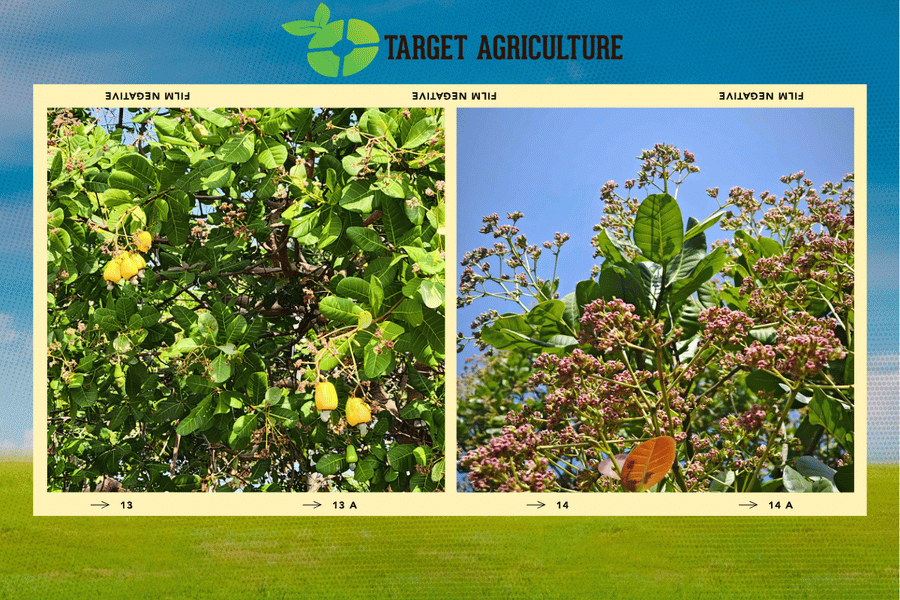
Fig 1: Cashew flowers in good weather
Weather plays a crucial role in cashew tree development, directly affecting each growth stage from flowering and fruit setting to ripening. During the flowering stage, cashew trees need stable daytime temperatures of 27–30°C, ample sunlight, and low rainfall to promote flower formation. Conversely, heavy rain or frost can reduce flower set, cause flower blackening, and lead to premature flower drop.
During the fruiting and ripening stages, cashew trees require moderate soil moisture, neither too dry nor too wet. Gentle breezes facilitate pollination, but strong winds can cause premature fruit drop. Dry weather combined with stable temperatures helps cashew nuts develop uniformly, increasing yield and product quality. Weather conditions are a key factor in ensuring yield and quality in cashew cultivation.
Temperature is a crucial factor directly affecting cashew yield and quality. When temperatures exceed 35°C, cashew trees will reduce their ability to flower and set fruit. Prolonged high temperatures can cause premature flower drop, reduce pollination rates, and lead to lower cashew yields. Conversely, temperatures below 18°C during the flowering stage also reduce the tree's growth, making it difficult for the tree to set fruit and affecting the quality of cashew nuts.
To minimize the negative impact of temperature, measures such as supplemental irrigation, water storage for the dry season, etc., should be implemented.
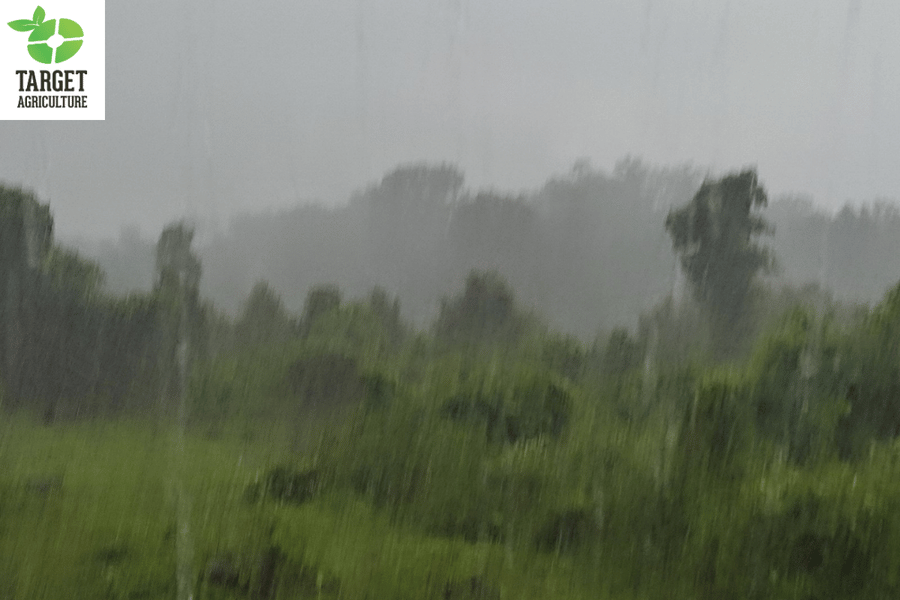
Fig 2: Heavy rain in the cashew field
Rainfall plays a crucial role in cashew fruit setting and yield. During the flowering and fruiting stages, sufficient rainfall helps the trees maintain the necessary moisture , promoting the development of flowers and young fruits. However, unseasonal rains pose many difficulties for cashew cultivation, directly affecting yield and product quality. Abnormal rainfall, exceeding the tree's tolerance, reduces photosynthesis, weakens the tree, and makes it more susceptible to disease. This leads to a significant decrease in yield, or even total crop failure if the rain is prolonged and intense.
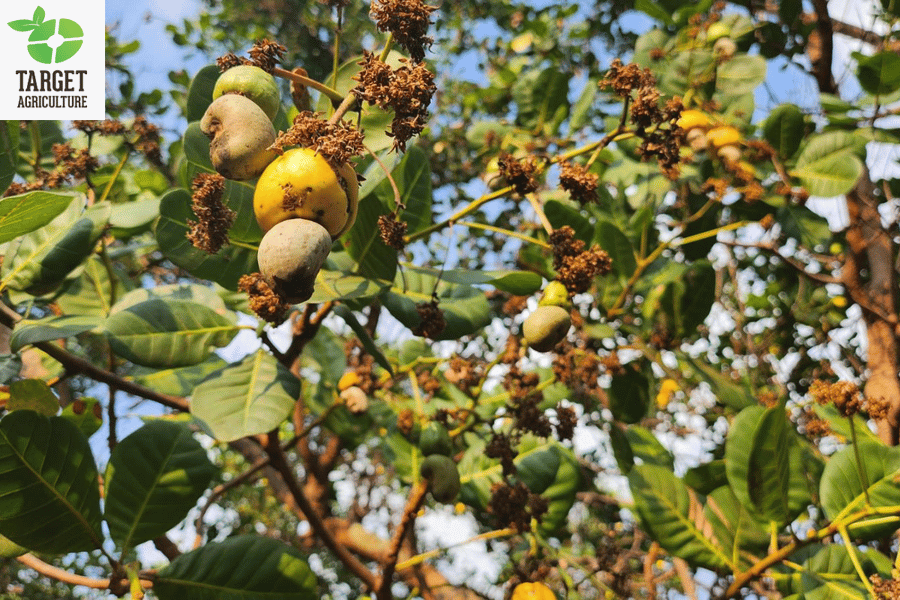
Fig 3: Cashew flowers damaged after heavy rain
Prolonged droughts significantly reduce cashew yields because the trees lack water during their growth phase. Conversely, heavy rains during the harvest period can cause fruit rot and affect nut quality. Farmers need to implement measures such as improving irrigation and drainage systems and pest control to protect their crops. Adjusting irrigation water levels during the dry season and ensuring good drainage during the rainy season helps maintain stable cashew yields and quality.
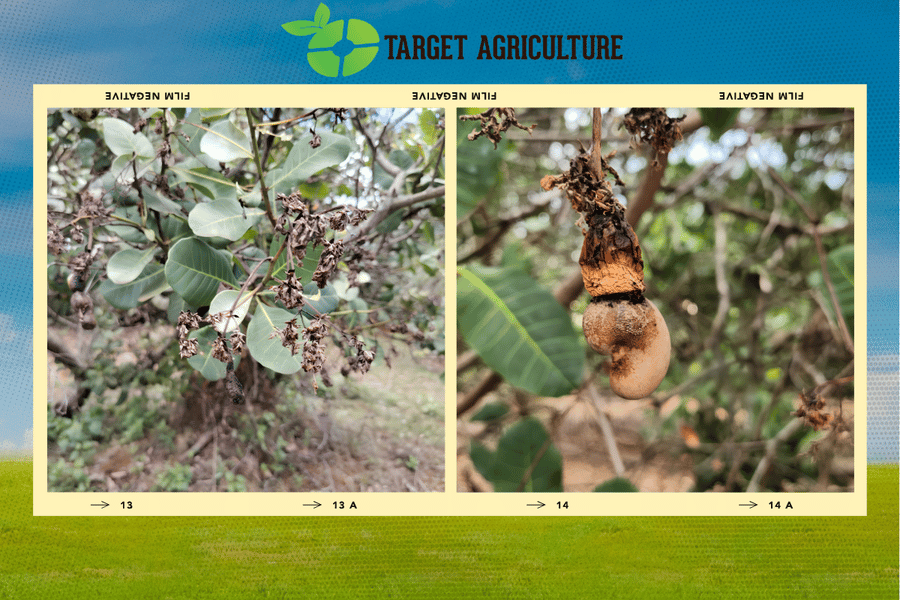
Fig 4: Cashew flowers and cashew apple dry out during drought
Strong winds are a major environmental factor causing significant damage to cashew trees, especially during the flowering and fruiting stages. Strong winds can break branches, cause flowers and young fruit to fall off, directly impacting harvest yields. Furthermore, persistent wind reduces natural pollination, resulting in lower fruit set rates. Installing windbreak nets or planting windbreak trees around cashew orchards is an effective solution to mitigate the impact of strong winds.
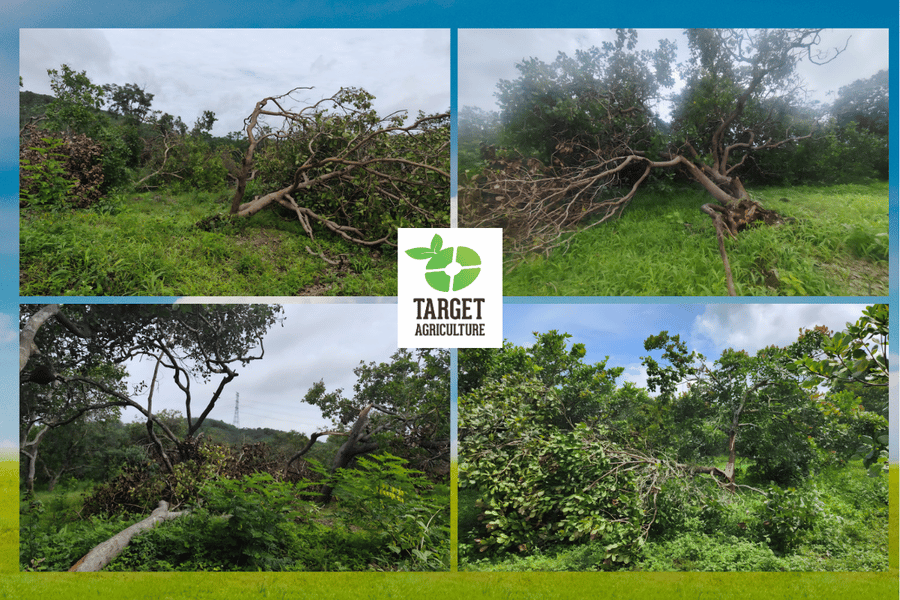
Fig 5: Cashew tree damaged by strong winds
Frost occurs during sudden cold spells with low temperatures, often at night or early morning. This phenomenon severely affects cashew flowers and young fruits, causing them to wilt or fall prematurely, reducing crop yield. To protect cashew trees from frost, farmers can apply measures such as covering the crops with agricultural materials and using sprinkler irrigation systems to maintain a stable ambient temperature and reduce the impact of cold. Combining these crop protection measures will help minimize damage from strong winds and frost, ensuring cashew yield and harvest quality.
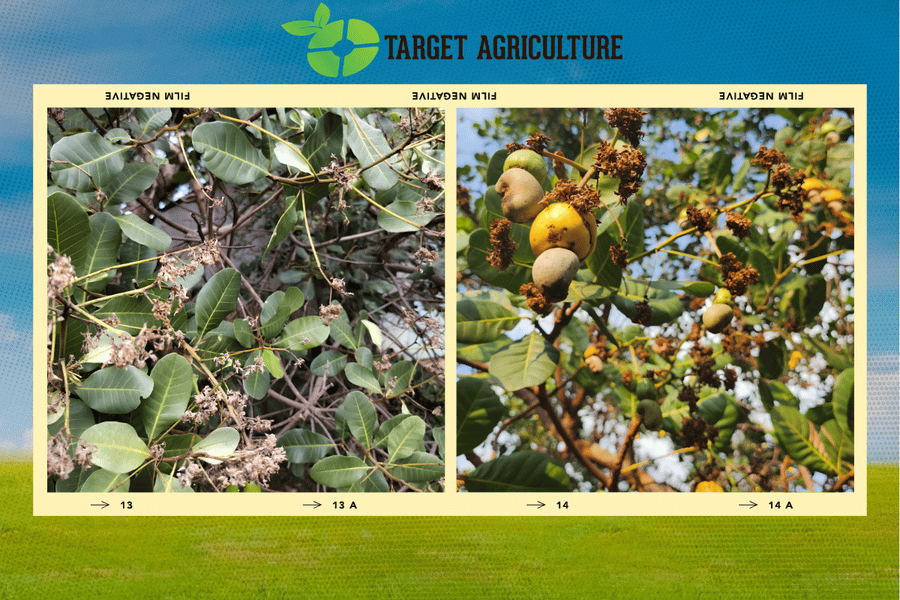
Fig 6: Cashew flowers damaged after frost
Solutions to mitigate adverse weather conditions play a crucial role in protecting cashew tree productivity, especially in harsh climates. Proper irrigation and drainage techniques help cashew trees withstand drought and minimize the impact of heavy rains.
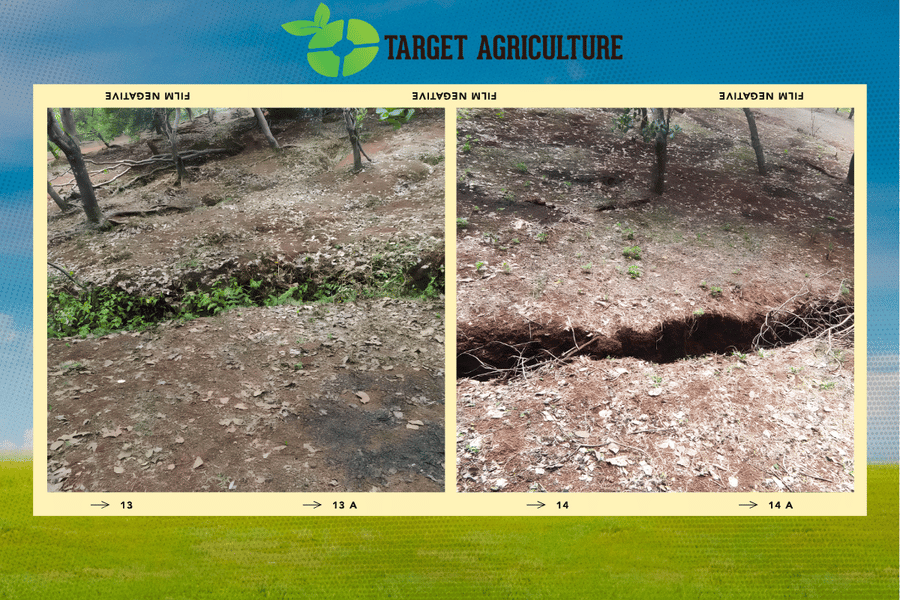
Fig 7: Digging drainage ditches for the rainy season
Using drought-resistant cashew varieties is a sustainable crop protection measure, helping trees thrive in water-scarce conditions. Combined with mulching techniques using straw or legumes, the soil retains moisture longer, reducing evaporation. These measures not only minimize the impact of weather but also ensure stable yields and cashew product quality.
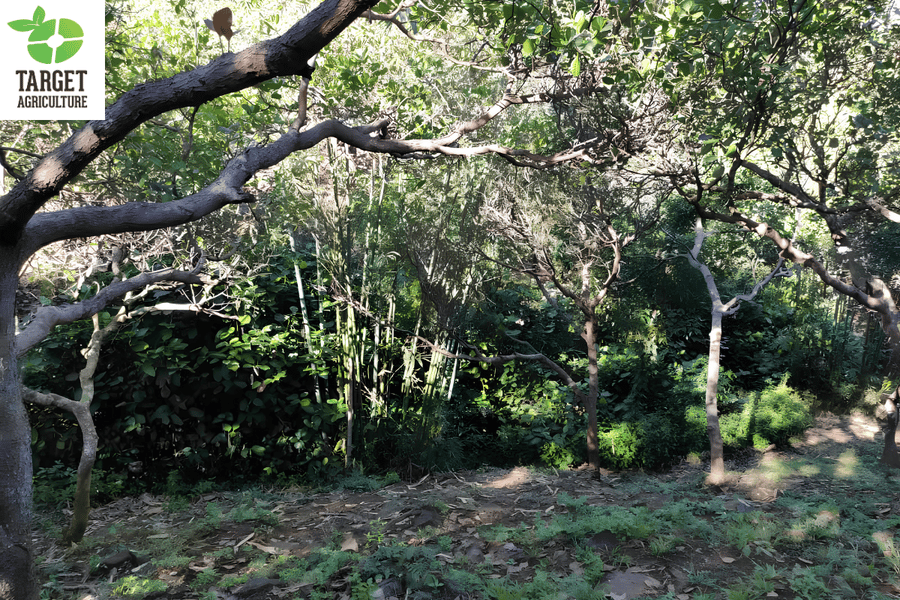
Fig 8: Planting tall trees as a windbreak hedge
Weather will always be the variable farmers can't fully control — but understanding exactly how temperature, rainfall, wind, and frost affect each growth stage turns that uncertainty into something manageable. Irrigation, drainage, windbreaks, and resilient varieties don't eliminate weather risk, but they consistently narrow its impact on yield and quality.
At Target Agriculture, our field team applies these same weather-management practices alongside the farmers we work with, season after season, to help protect every harvest from the conditions we can't control.
👉 Contact Target Agriculture to learn more about our organic cashew sourcing and field support practices.
 YOUTUBE - LINKEDIN