


Cashew grading is not just about kernel size. It determines whether your production runs smoothly, your retail shelves look right, and your next order is worth placing.
Many buyers assume that cashew grading is a simple classification system. However, inconsistent grading across shipments can lead to production issues, customer complaints, and increased costs. To ensure stable supply and product quality, understanding cashew grading consistency is more important than ever.
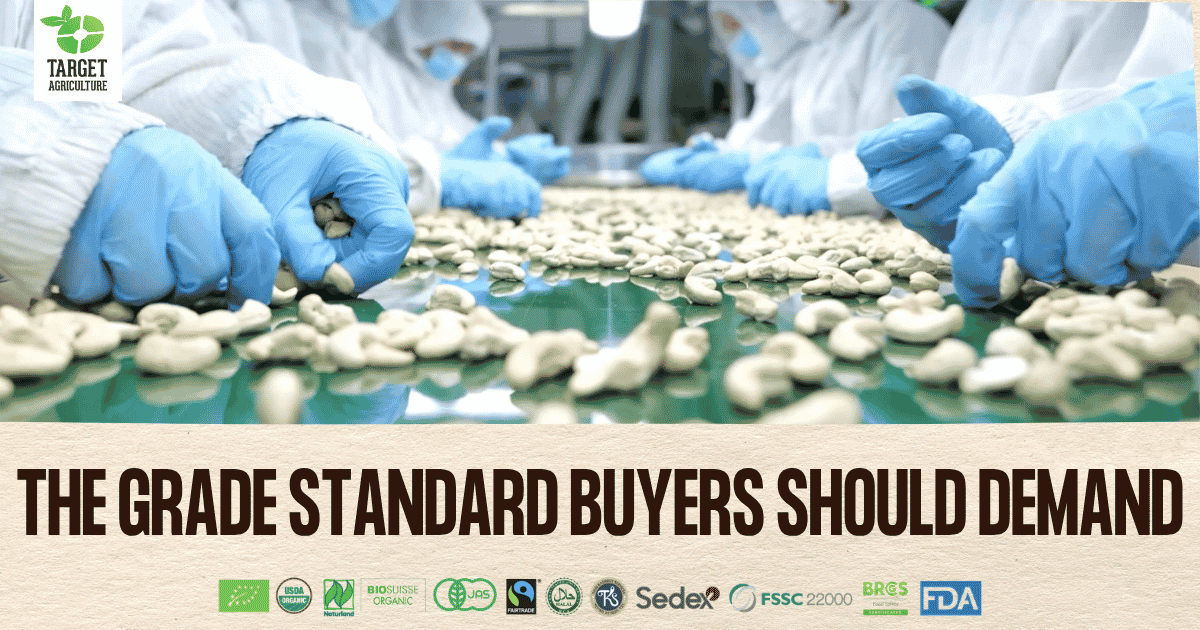
Cashew grading is often associated with kernel size, such as W320 or W240. While size is an important factor, grading also reflects overall product consistency, including color, shape, and defect levels.
In practice, two suppliers may offer the same grade label, but the actual product can differ significantly. This inconsistency creates challenges for buyers who rely on uniform specifications for their production processes.
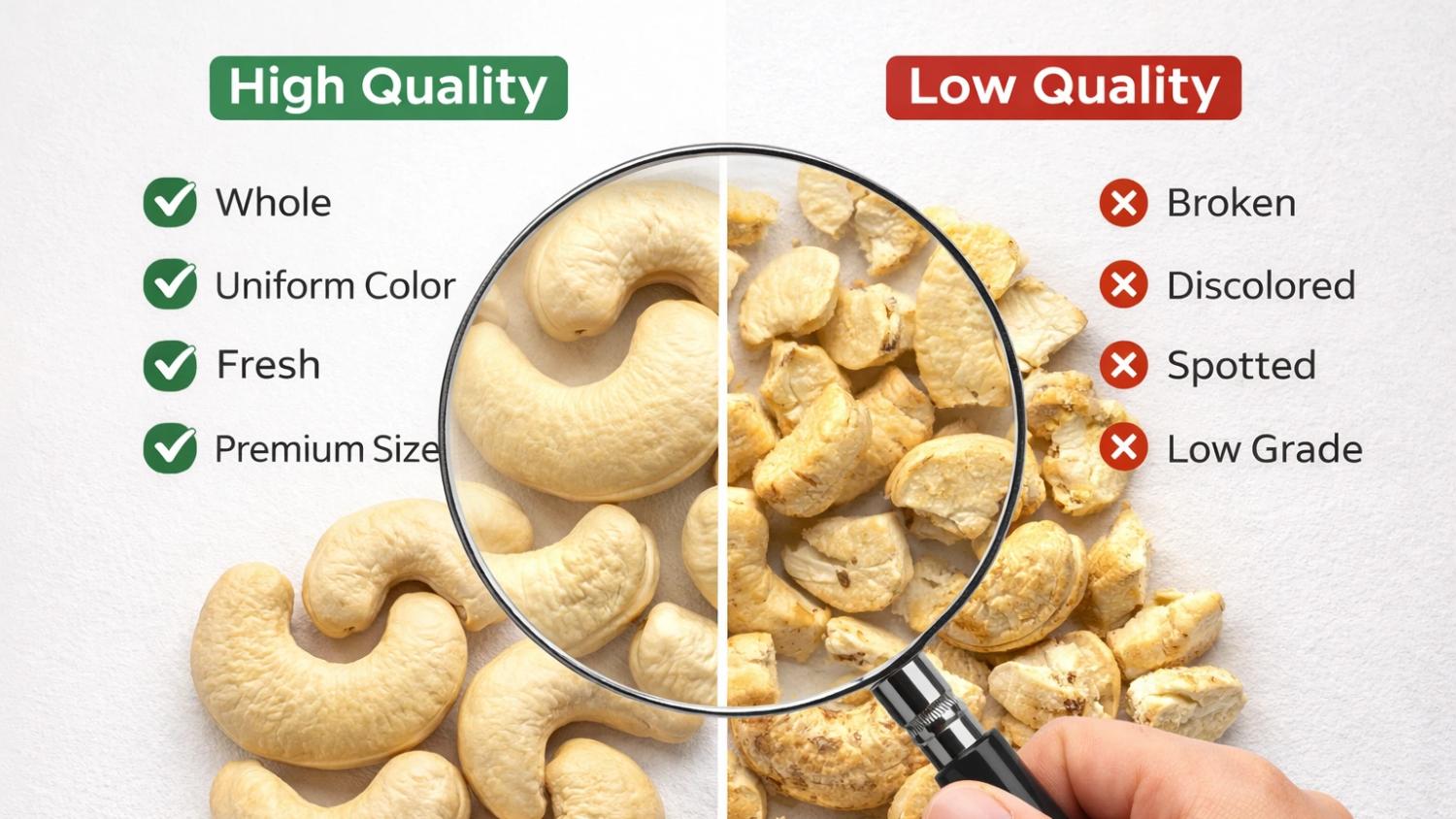
Inconsistent grading can directly affect production efficiency. For example, variation in kernel size may disrupt automated packaging lines or create uneven product presentation.
Retail brands, in particular, depend on consistent appearance to maintain customer trust. Even small differences in grading can lead to noticeable changes on store shelves.
For buyers, this means that grading consistency is not just a technical detail—it is a critical operational factor.
Maintaining consistent grading requires more than sorting machines. It depends on a supplier’s overall system, including raw material selection, processing control, and quality inspection.
A supplier with strong grading consistency typically has:
- Standardized processing procedures
- Clear grading definitions
- Strict quality control checkpoints
- Experienced sorting and inspection teams
These elements ensure that each shipment matches the expected specifications.

One of the main risks in cashew sourcing is inconsistency between shipments. Even when quality is acceptable, variation in grading can create complications in production and distribution.
Standardized grading systems help reduce this risk by ensuring:
- Predictable product specifications
- Better alignment with buyer requirements
- More efficient supply chain planning
For long-term cooperation, buyers prioritize suppliers who can maintain grading consistency over time.
Experienced buyers do not only check quality certificates—they evaluate how well a supplier maintains grading standards across multiple shipments.
Consistency in grading provides confidence that future orders will meet expectations. It also reduces the need for additional inspection and re-sorting, saving both time and cost.
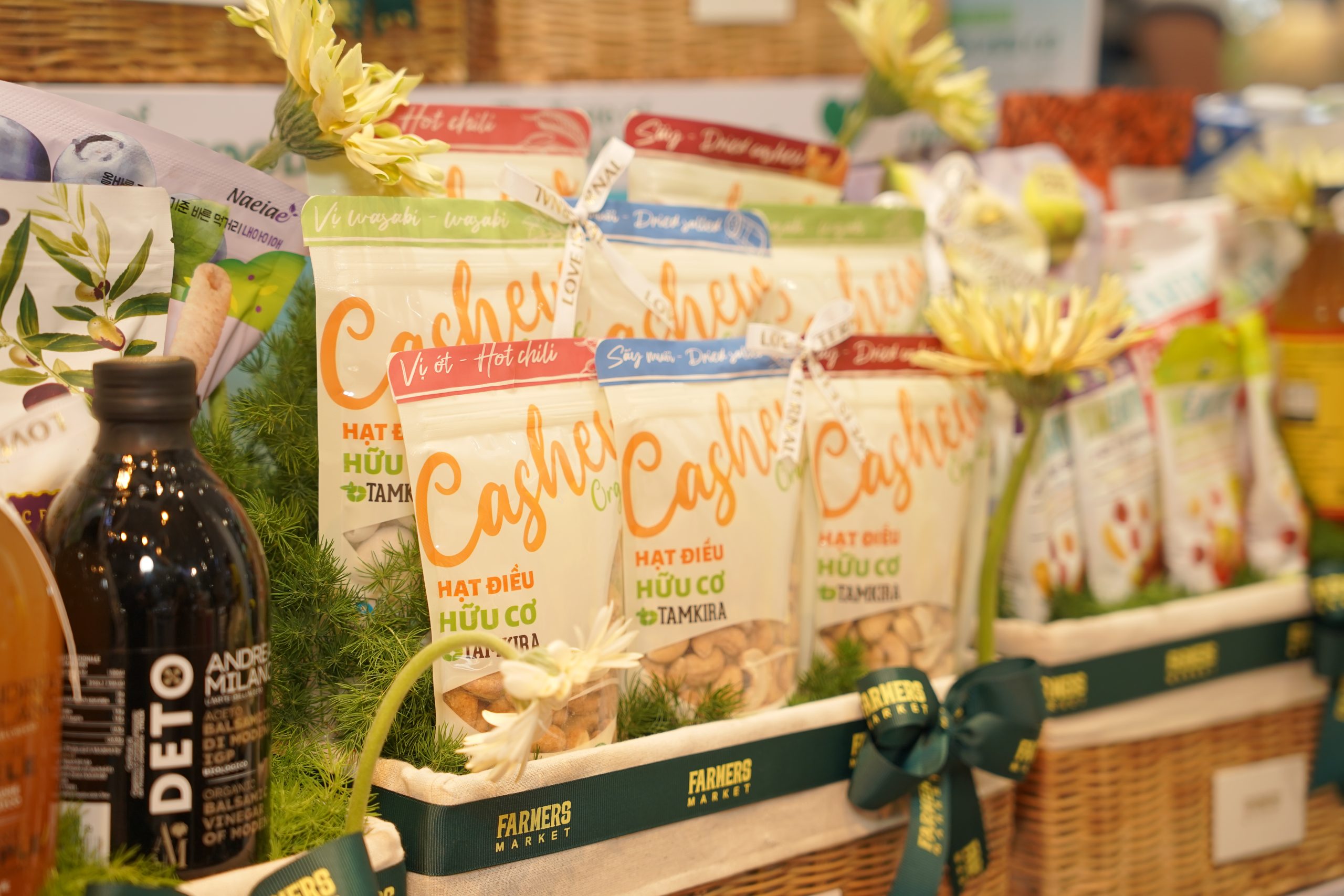
Fig: Target Agriculture's OEM Cashew Products with Consistent Grading
At Target Agriculture Vietnam, grading is verified against buyer-approved reference samples at multiple checkpoints — not assessed once at the end of a production run. Every batch is documented by lot number from raw material intake through shelling, grading, and packing, giving our quality team — and our buyers — a traceable record of what happened at each stage.
Our BRC, EU Organic, USDA-NOP, JAS, Naturland, Fairtrade, and SMETA certifications each require the quality system — not just the product — to be audited annually. For buyers who have been managing grading problems with their current supplier, this is what a documented alternative looks like.
👉Watch Target Agriculture's sorting line in action here
Cashew grading is not just a classification system—it is a key factor in ensuring consistency, efficiency, and reliability in supply.
For buyers, working with a supplier that maintains stable grading standards can significantly reduce operational risks and improve product quality.
At Target Agriculture, we focus on standardized grading systems and strict quality control to deliver consistent cashew kernels across every shipment.
👉 Contact us to learn more about our cashew grading standards and export solutions.
 YOUTUBE - LINKEDIN