



Every day, humans consume energy in the form of calories. A calorie is defined as a standard unit used to measure the amount of energy taken into the body through food and drinks, or the total amount of energy the body burns through physical activities.
Without calories, cells would die, and vital organs such as the heart, liver, brain, lungs, and kidneys would be unable to continue functioning to sustain life. When calorie intake matches a person's physical condition and health status, the body operates smoothly.
However, excessive calorie intake leads to surplus energy being stored as fat. Conversely, insufficient calorie intake over a long period can cause fatigue, lethargy, stress, lack of concentration, and irritability. As a result, the body is forced to use stored calories from muscles and fat tissues, leading to weakness, malnutrition, and reduced immunity.
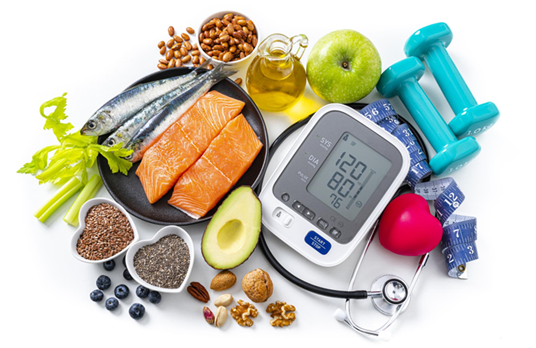
Figure 1: Sources of calories
Calorie requirements vary depending on age, sex, and activity level. Here are the general guidelines:
Children
- Ages 1–3: 1,000–1,400 kcal/day
- Ages 4–8: 1,200–1,800 kcal/day
- Ages 9–13: 1,600–2,200 kcal/day
- Boys 14–18: 2,000–3,000 kcal/day
- Girls 14–18: 1,800–2,400 kcal/day
Adults
- Women: 1,600–2,400 kcal/day
- Men: 2,000–3,000 kcal/day
Older Adults
Older adults often face health issues such as cardiovascular disease, diabetes, obesity, and general weakness. Therefore, calorie intake should be adjusted according to health conditions and life stage:
- Ages 60–75: 1,600–2,200 kcal/day
- Ages 75 and above: 1,400–2,000 kcal/day
Note: These are general guidelines. Individual calorie needs can vary depending on activity level, health status, and lifestyle.
Cashew nuts are considered a high-calorie food. On average, 100g of cashew nuts provides about 553–580 calories, depending on the processing method — raw, dry-roasted, salted, or oil-fried.
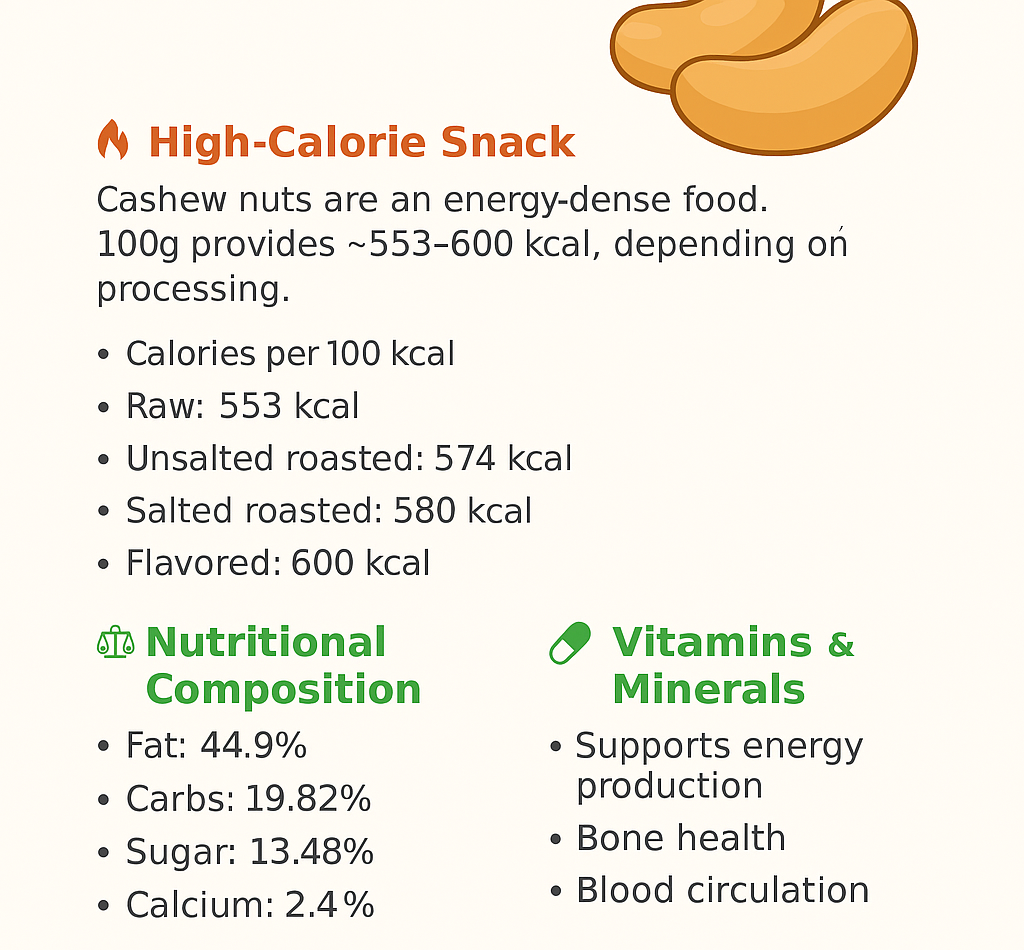
Figure 2: Calorie content per 100g of cashew nuts
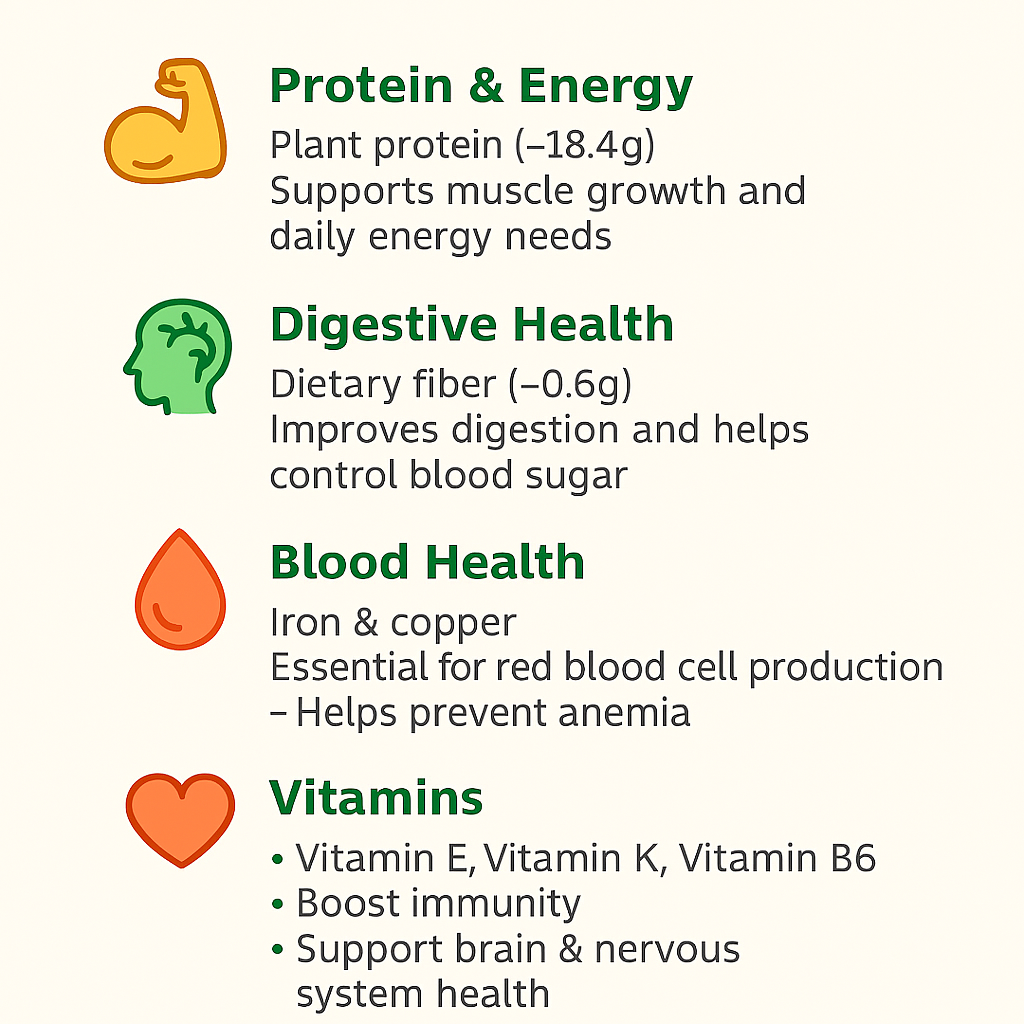
Figure 3: Nutritions content per 100g of cashew nuts
With their nutrient-dense profile, cashew nuts can offer several health benefits when eaten in moderation, including:
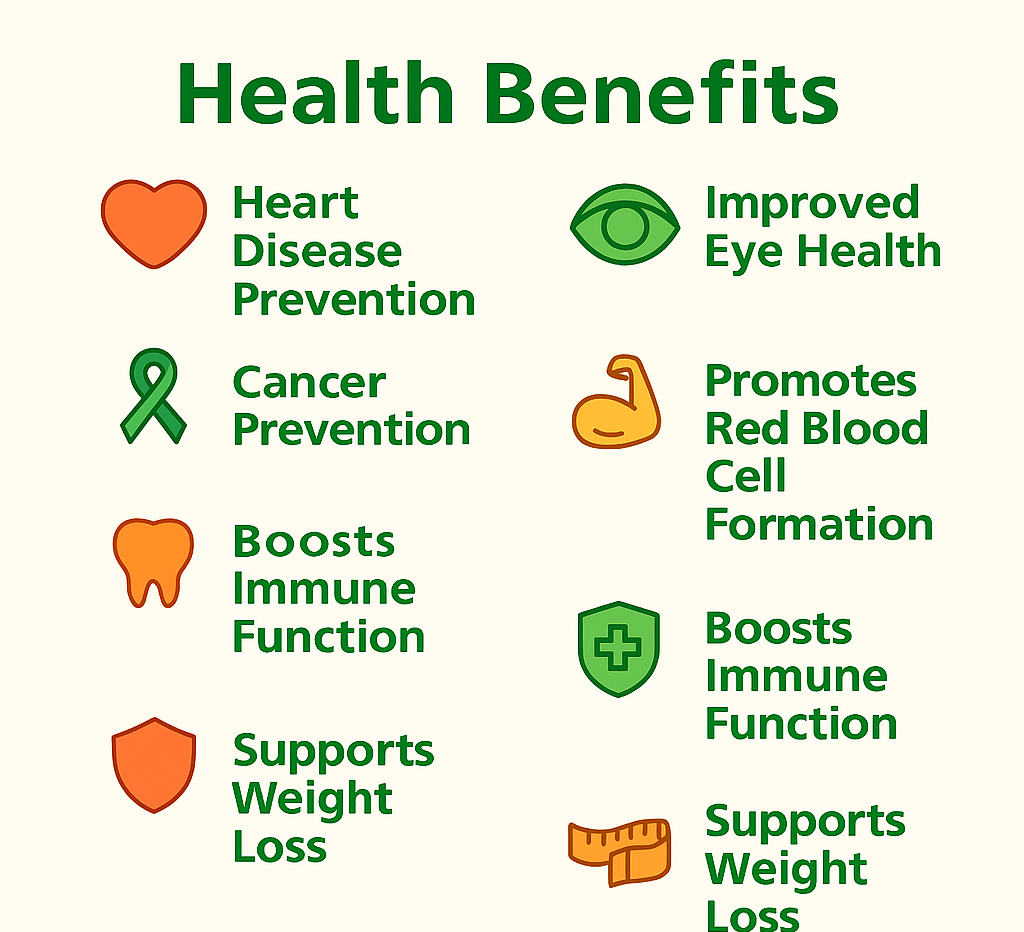
Figure 4: Health benefits of cashew nuts
1. Heart Disease Prevention Cashew nuts provide healthy fats that help the body absorb fat-soluble vitamins such as A, D, E, and K, and produce important fatty acids for brain development. Their monounsaturated and polyunsaturated fats are heart-friendly and help reduce bad cholesterol when consumed in moderation.
2. Improved Eye Health Cashew nuts contain high levels of lutein and zeaxanthin, which act as antioxidants. Regular consumption helps protect the eyes from minor damage, especially in older adults, and may reduce the risk of cataracts.
3. Support for Muscles and the Nervous System Cashew nuts are rich in magnesium, which is essential for bone health, blood pressure regulation, immune support, nerve function, and strong bones. For postmenopausal women, cashew nuts may also promote better and more comfortable sleep.
4. Cancer Prevention Cashew nuts contain antioxidants such as anacardic acid, cardanol, and cardol, which may be beneficial for patients undergoing tumor or cancer treatment. Proanthocyanidins, a type of flavonoid found in cashew nuts, help inhibit the growth of cancer cells.
5. Promotes Red Blood Cell Formation Cashew nuts are high in copper, which supports iron metabolism and red blood cell production, contributing to healthier bones and a stronger immune system.
6. Improved Oral and Bone Health Phosphorus in cashew nuts is essential for healthy teeth and bones, protein synthesis, and the absorption of carbohydrates and fats, helping maintain healthy cells.
7. Prevention of Gallstones Consuming cashew nuts helps reduce cholesterol accumulation in the gallbladder, thereby helping prevent gallstones.
8. Boosts Immune Function Cashew nuts contain zinc, which plays a key role in strengthening immunity, preventing infections, supporting protein synthesis, and promoting wound healing. Zinc is especially beneficial for pregnant women, helping maintain maternal health and supporting early childhood development.
9. Supports Weight Loss Cashew nuts can help replace animal fats with healthier monounsaturated fats, supporting weight control and reducing fat and cholesterol accumulation. They also contain antioxidants and vitamin E, which help prevent aging and improve skin and hair health — especially beneficial for women.
Cashew nuts are an excellent source of nutrition, but to maximize benefits without affecting body weight, they should be consumed in moderation.
- Maximum recommended intake: up to 100g per day
- Frequency: 3–4 times per week
Eating too many cashew nuts may cause indigestion and bloating. Consuming over 100g per day can lead to excessive calorie intake and weight gain.
Nutrition experts recommend:
- Adults: 28–30g/day (approximately 20–25 cashews)
- Children: 10–15g/day (approximately 8–12 cashews), depending on age
- For weight management: 10–15 cashews per day, combined with a balanced diet
Not all cashews deliver the same nutritional value. Conventionally grown cashews may carry pesticide residues that affect both product safety and long-term health outcomes. Target Agriculture's certified organic cashew kernels from Binh Phuoc, Vietnam are grown without synthetic chemicals — preserving the natural nutritional profile that makes cashews worth eating in the first place.
Every batch is traceable from farm to packaging, certified under EU Organic, USDA-NOP, and Naturland standards, and processed under strict food safety protocols at our Vietnam facility.
👉 Explore Target Agriculture's certified organic cashew range at target-agriculture.com
 YOUTUBE - LINKEDIN