Global food brands, retailers, and consumers increasingly expect transparency in how agricultural products are sourced. For cashew supply chains, responsible sourcing involves farmer relationships, workplace safety, labor standards, and reliable traceability from farms to export markets.
As an organic cashew supplier in Vietnam, Target Agriculture Group works with farming communities and processing operations to support responsible sourcing and supply-chain transparency. For international buyers, these practices can help inform supplier selection and strengthen oversight of organic cashew sourcing.
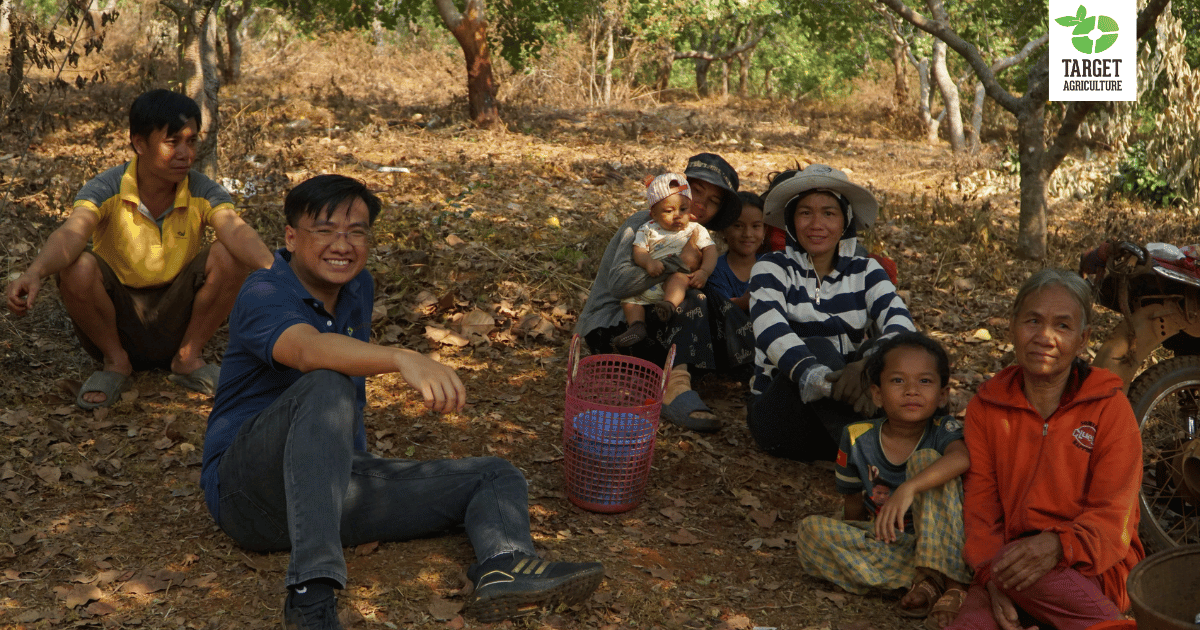
Cashew supply chains involve farmers, processors, exporters, and food manufacturers. When sourcing records or supplier oversight are limited, buyers may face challenges verifying product origins and assessing social responsibility risks.
Three areas deserve particular attention:
- Fair farmer relationships: Transparent purchasing arrangements and long-term partnerships can support better coordination with farming communities.
- Responsible working conditions: Workplace safety, fair compensation, regulated working hours, and safeguards against forced or child labor are important considerations when evaluating suppliers.
- Supply-chain transparency: Farm, batch, and shipment records help buyers understand product origins and support supplier assessments.
Target Agriculture’s organic cashew traceability approach provides further information about connecting sourcing and export operations.
Our social responsibility framework guarantees complete transparency from farm gate to exported container:
Long-term relationships with farmers and local sourcing partners can improve communication around crop quality, purchasing requirements, and supply planning. Clear agreements and documented transactions also help buyers understand how raw materials are sourced.
Target Agriculture’s cashew sourcing activities are associated with Vietnam’s cashew-growing regions, including Binh Phuoc. Learn more about the role of the region in the industry in this article about Vietnamese cashews.

Responsible cashew processing requires attention to worker safety, working conditions, and applicable labor requirements. Buyers can assess these areas by requesting relevant facility documentation, social audit reports, safety procedures, and records of corrective actions.
Where a supplier refers to a specific certification or audit, such as SMETA or Fairtrade, buyers should verify its validity and scope. Organic certification alone does not establish compliance with every social or labor standard.

Traceability records help connect raw materials with processing batches and export shipments. Batch identification, sourcing records, and supporting documentation can help importers respond to customer questions, conduct supplier assessments, and investigate quality concerns.
Explore Target Agriculture’s organic cashew processing operations to learn more about cashew processing in Vietnam.
Key Steps in an Ethical Organic Cashew Supply Chain
A responsible sourcing program can include the following steps, supported by documentation appropriate to the supplier and transaction:
1. Farm and supplier identification: Record the origin of raw materials and relevant farming partners.
2. Purchasing documentation: Maintain clear purchasing agreements, specifications, and transaction records.
3. Responsible processing: Apply relevant workplace safety procedures and labor requirements.
4. Certification verification: Check organic certificates and any applicable Fairtrade or social compliance credentials.
5. Batch identification and packaging: Maintain links between finished products and production records.
6. Export documentation: Ensure shipment records and certificates are consistent with buyer and destination-market requirements.
The exact procedures and available evidence should be confirmed with the supplier before an order is placed.
Partnering with an ethically certified organic cashew exporter in Vietnam delivers distinct commercial advantages:
- Regulatory Compliance: Seamless alignment with EU Corporate Sustainability Due Diligence Directives (CSDDD) and US import regulations.
- Premium Brand Positioning: Build consumer trust and command premium shelf placement with verified Fair Trade and organic messaging.
- Supply Chain Stability: Reliable, long-term raw material supply secured through direct, loyal farmer partnerships.

For importers, retailers, and food manufacturers, responsible cashew sourcing can offer practical benefits:
- Greater transparency: Documented sourcing and batch records support supplier reviews and customer enquiries.
- More informed procurement: Certification and audit documentation help buyers evaluate suppliers against their requirements.
- Brand credibility: Specific, verifiable sourcing claims provide a stronger basis for communicating responsible sourcing.
- Supply-chain coordination: Clear purchasing arrangements and ongoing farmer relationships can support more predictable sourcing.
These benefits depend on the supplier’s actual practices and supporting evidence. Ethical sourcing does not automatically guarantee regulatory compliance or uninterrupted supply.
Choosing an organic cashew supplier involves evaluating product quality, certification, traceability, and responsible sourcing practices together. Target Agriculture Group works with organic cashew sourcing and processing operations in Vietnam for international B2B markets.
Contact the team to discuss your required cashew grades, destination market, certification requirements, and estimated volume.
Contact Target Agriculture to request product information and discuss your organic cashew sourcing needs.
 YOUTUBE - LINKEDIN