Organic dried mango is more than a label. Learn how sourcing, processing controls and traceability help buyers verify product integrity.
Organic dried mango is more than a product label. Discover how organic sourcing, processing controls, and traceability help buyers verify product integrity when choosing an organic dried mango supplier in Vietnam.
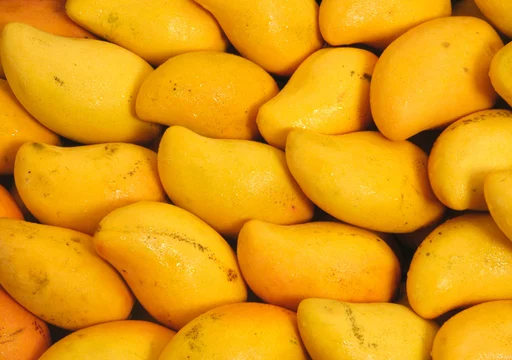
The main difference between organic and conventional dried mango begins with how the fresh mangoes are grown, managed, and certified.
In the European Union, organic production is governed by Regulation (EU) 2018/848, which establishes requirements for organic production, certification, labelling, and controls throughout the supply chain. For imported products, compliance must be demonstrated through the applicable certification and import procedures.
For buyers, this means that organic status should not be determined by appearance, taste, or a supplier’s claim alone. Valid organic certification and supporting documentation are essential when sourcing products intended for the EU organic market.
For an organic dried mango supplier in Vietnam, maintaining organic status starts with responsible sourcing and continues throughout processing, storage, and shipment. Buyers should verify that the relevant operators and product are covered by the applicable certification arrangements.
Once harvested, mangoes must be processed without compromising their organic status.
Organic processing requirements vary by certification scheme, but they generally include controls over permitted ingredients, processing aids, cleaning procedures, and the prevention of contact with non-organic materials.
For dried mango manufacturers, important considerations include:
- Raw material verification: Confirm that incoming mangoes come from approved organic sources.
- Production planning: Identify and manage organic production lots appropriately.
- Equipment and cleaning: Apply suitable procedures to prevent unintended mixing or contamination.
- Storage and packaging: Keep organic products identified and protected throughout handling.
- Documentation: Maintain records that demonstrate compliance with the applicable organic standard.
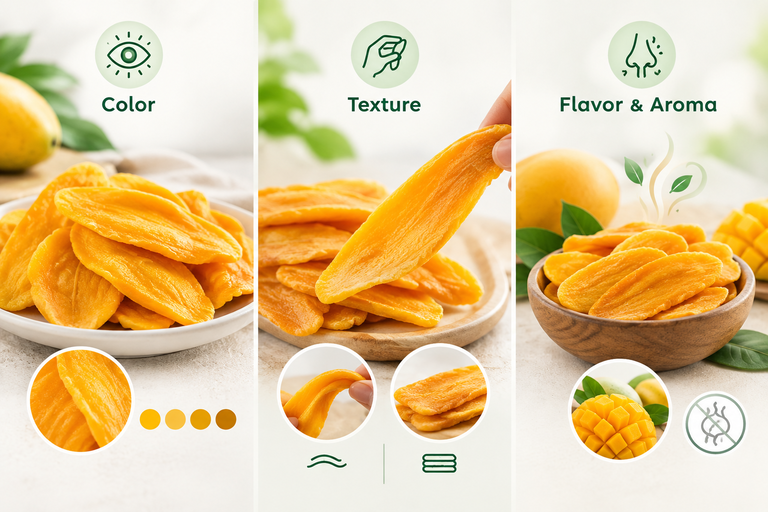
These controls help preserve the integrity of the product from fresh mango to finished dried mango.
Organic certification does not automatically guarantee that every product is free from pesticide residues or other contaminants. Food safety controls and appropriate testing remain important.
Traceability is particularly important in organic supply chains because buyers need evidence that the product meets the relevant organic requirements.
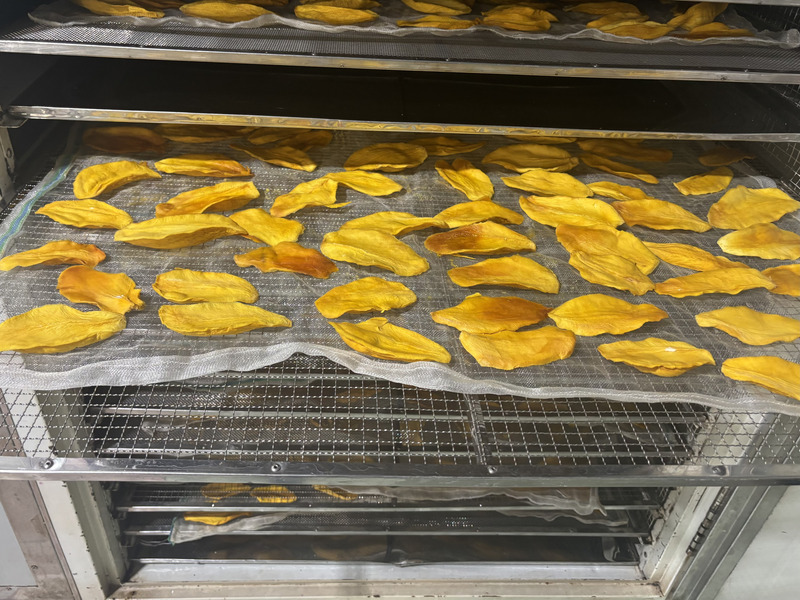
A reliable system connects the incoming raw materials with processing records, finished-product lots, and shipment documentation.
For example, if a buyer raises a question about an organic dried mango shipment, the supplier should be able to identify the relevant production lot and review the available records. We explain how this works in practice in Can an Organic Cashew Exporter Vietnam Trace Every Complaint?.
Buyers should check whether their supplier can provide:
- A valid organic certificate covering the relevant activities and products
- Supporting documentation for organic raw materials
- Lot identification and production records
- Appropriate transaction or shipment documents where required
- Clear procedures for investigating potential contamination or non-compliance
For importers, these records are more than administrative paperwork. They help support verification, audit readiness, and confidence in the supply chain.
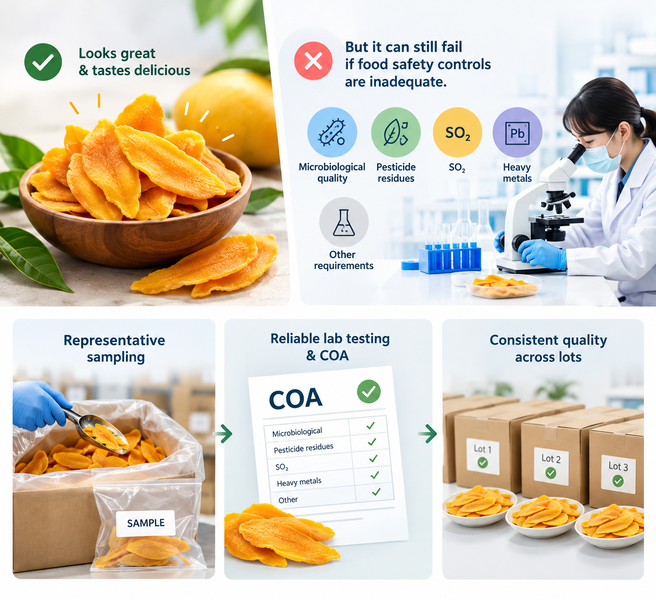
Organic certification addresses compliance with an organic production and handling standard. It does not replace the need to control the quality and safety of dried mango. Buyers should still assess the characteristics that influence commercial suitability, including color, texture, flavor, moisture, packaging, and shelf life. Depending on the product specification and destination market, testing may also be required for pesticide residues, microbiological parameters, sulfur dioxide (SO₂), heavy metals, or other relevant contaminants. For a closer look at sulfites, read SO₂ in Dried Mango: What Importers Need to Know.
Organic and conventional dried mango should therefore be evaluated against their respective specifications and applicable legal requirements.
When choosing an organic dried mango supplier in Vietnam, buyers should look for both valid organic certification and a documented quality management system. These serve different purposes but work together to support product compliance and consistency.
At Target Agriculture Group, we recognize that supplying organic products requires attention to the entire supply chain, not simply the selection of organic raw materials.
Our approach to agricultural product quality emphasizes supplier verification, traceability, processing controls, product specifications, and appropriate testing based on customer requirements and destination markets.
By combining organic verification with structured quality controls, suppliers can help buyers manage sourcing risks and establish clearer expectations before shipment. Explore our tropical fruit range.
Looking for an organic dried mango supplier in Vietnam? Contact Target Agriculture Group to discuss your product specifications, certification requirements, and target market.
 YOUTUBE - LINKEDIN