Cashew flowers are the starting point of one of the world's most recognizable tropical food crops. Before cashew kernels reach processing facilities and international markets, each harvest begins with flowering, pollination, and fruit development in the orchard.
Understanding how cashew flowers develop into nuts helps explain an important part of cashew farming: crop production depends not only on the trees themselves, but also on flowering conditions, pollination, weather, and orchard management. For growers and businesses involved in the cashew supply chain, these natural processes provide useful context for understanding seasonal production.
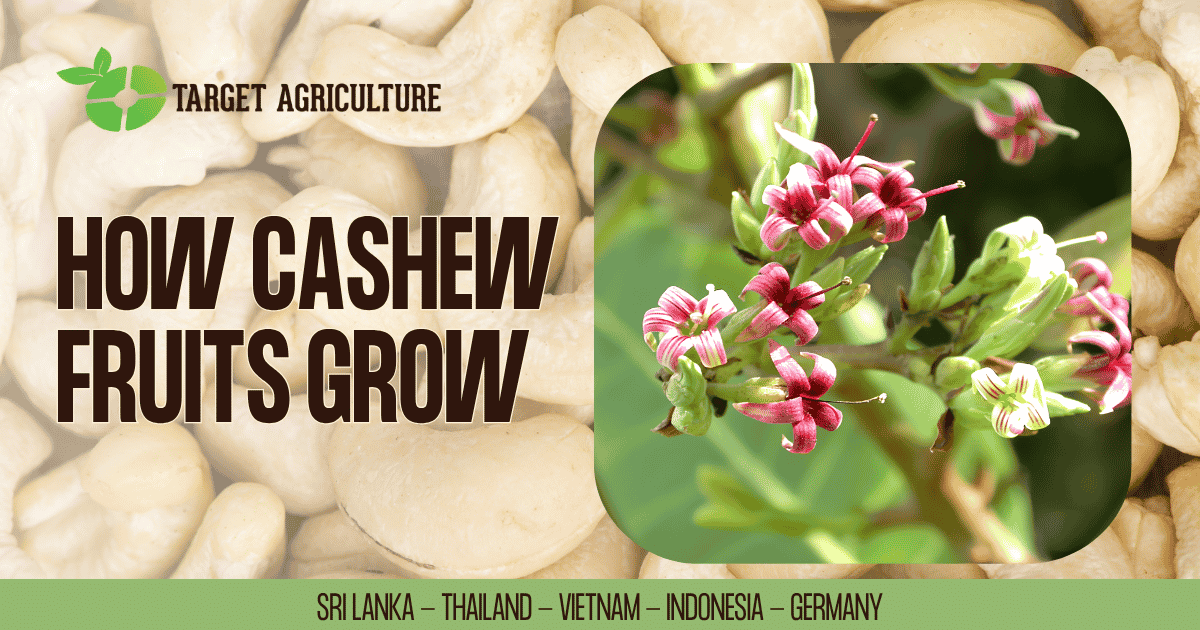
Cashew trees (Anacardium occidentale) produce small flowers in branched clusters, known botanically as inflorescences. These clusters generally develop at the ends of new shoots and may contain many individual flowers.
Cashew flowers are often yellowish-pink, with colors varying as they develop. Although each flower is relatively small, the clusters are an important stage in the tree's reproductive cycle.
Cashew trees can produce two main flower types:
- Male flowers: These produce pollen but do not develop into fruit.
- Bisexual flowers: These contain both male and female reproductive structures and can develop into fruit following successful pollination and fertilization.
The proportions of these flower types can vary with cultivar and growing conditions. Their presence is part of the reproductive strategy that allows cashew trees to produce the nuts and cashew apples harvested later in the season.
Fig. 1: Close-up of cashew flowers growing in a branched inflorescence
Flowering is a critical stage in cashew production because it precedes fruit formation. The timing of flowering varies by region and can be influenced by rainfall patterns, temperature, cultivar, and the condition of the tree.
In many tropical growing regions, flowering is associated with seasonal changes following periods of vegetative growth. However, there is no single flowering calendar that applies to every cashew-producing country.
Pollination occurs when pollen reaches the receptive female reproductive structures of a flower. Insects, including bees and other flower visitors, can contribute to this process. Wind may also play a role under certain conditions.
Successful pollination does not guarantee that every flower will produce a mature nut. Some flowers fail to set fruit, while developing fruits may drop before maturity. This means that flowering abundance alone is not a reliable measure of final harvest volume.
Weather during flowering, pollinator activity, tree health, and other environmental factors can all influence fruit set. These variables help explain why cashew production may differ between orchards and seasons.
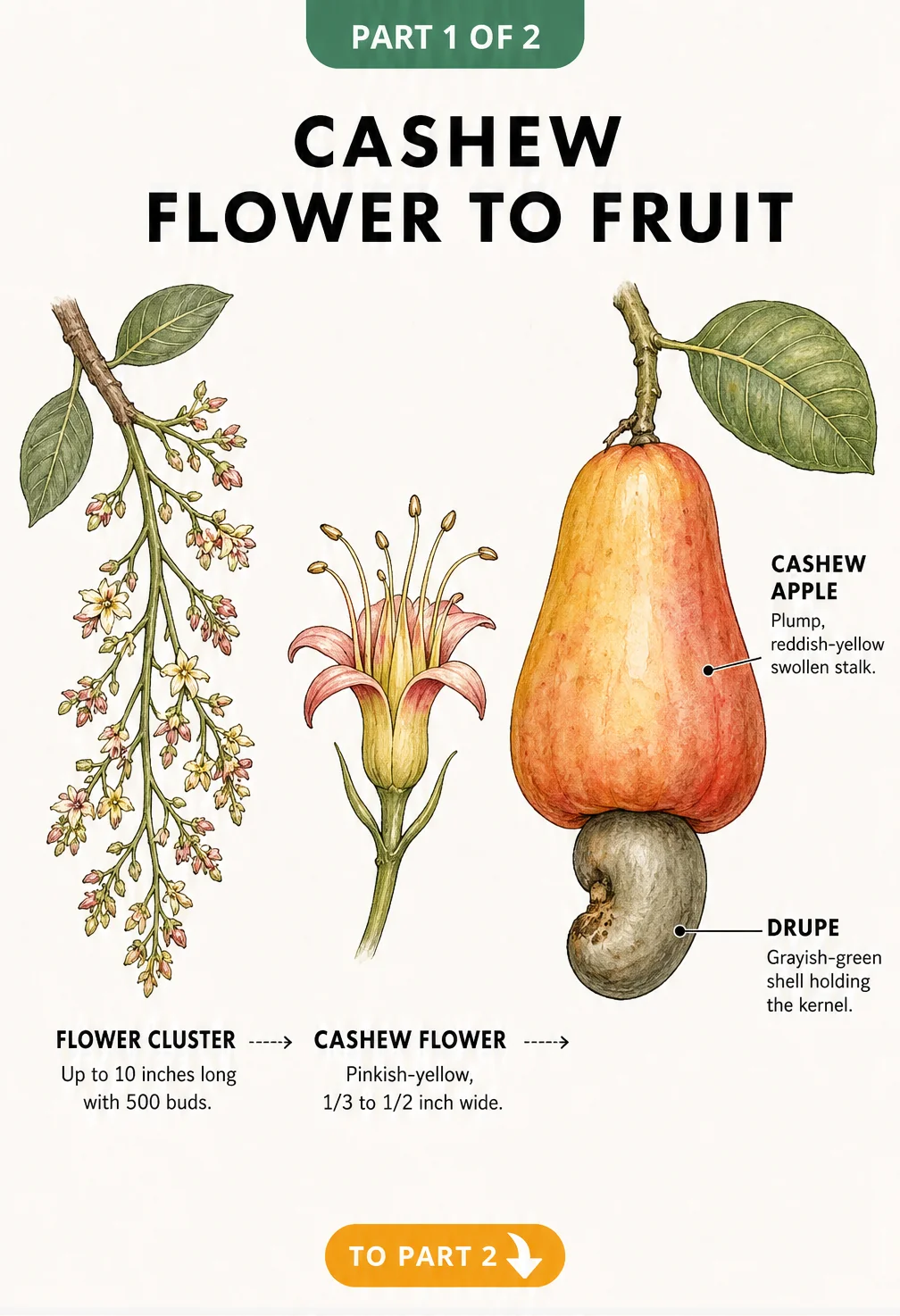
Fig. 2: Illustration showing the transition from cashew flower to developing cashew fruit / Image source: Milind Mahale / Shutterstock
After successful pollination and fertilization, a cashew flower may develop into a kidney-shaped true fruit containing the cashew seed. The edible cashew kernel is located inside the hard shell surrounding this seed.
As the true fruit develops, the flower stalk expands into the fleshy structure commonly called the cashew apple. Depending on the variety and maturity, the cashew apple may appear yellow, orange, or red.
The cashew apple and the cashew nut are therefore two distinct parts of the same developing structure:
- Cashew nut: The kidney-shaped fruit containing the seed from which the commercial cashew kernel is obtained.
- Cashew apple: The enlarged, fleshy stalk that develops alongside the nut and can be used in selected food and beverage applications.
The timing of development depends on environmental conditions and cultivar. Consequently, growers should assess maturity using appropriate local harvesting practices rather than relying on one fixed timeline for every growing region.
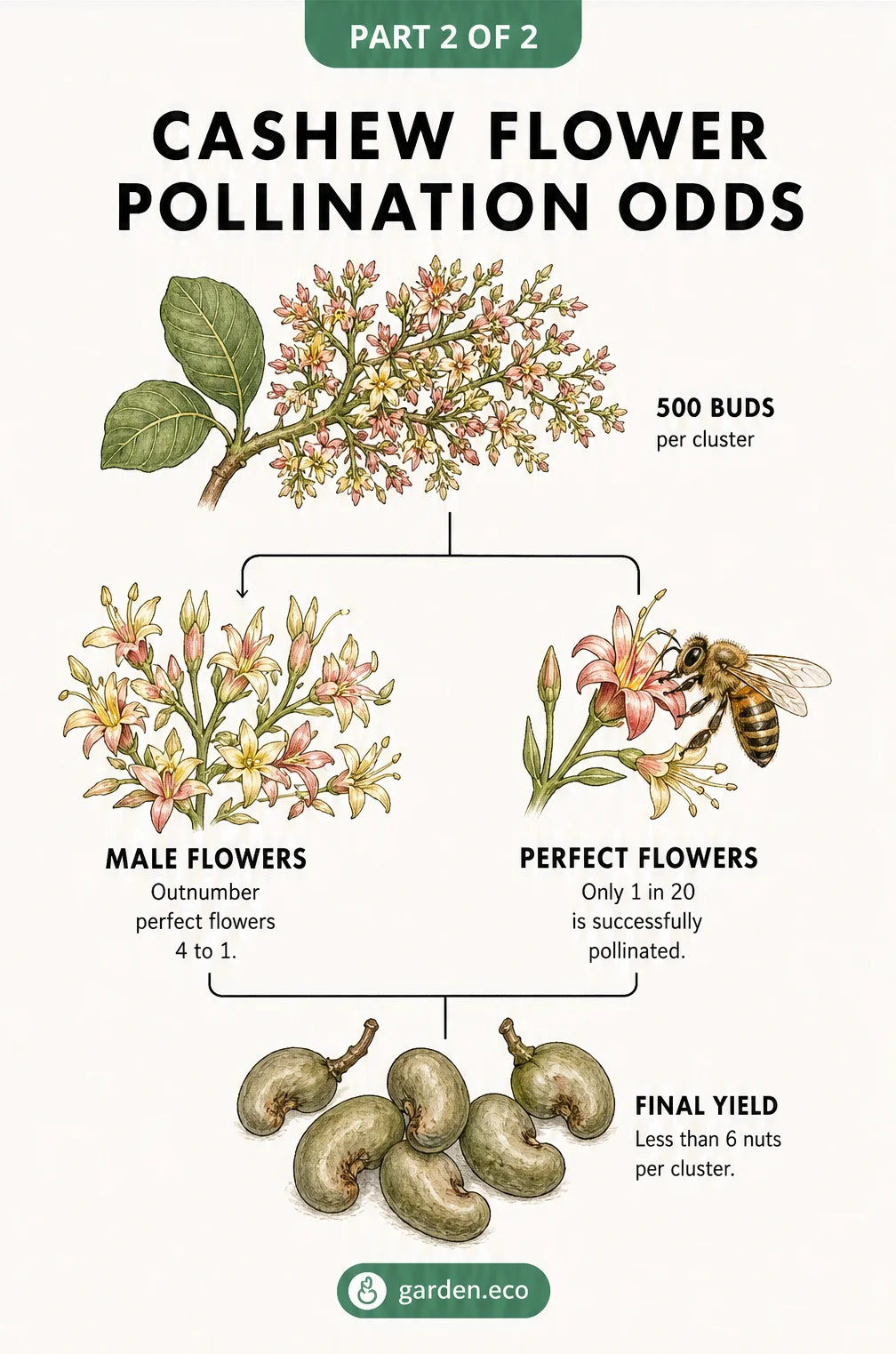
Fig. 3: Mature cashew apple with the attached cashew nut. / Image source: Milind Mahale / Shutterstock
Flowering is only one stage in the wider cashew production cycle, but it helps explain why agricultural conditions matter to supply reliability. Weather variability, pollination, fruit development, and harvesting practices can influence the quantity and timing of raw cashew nuts available to processors.
For international buyers, the journey does not end at harvest. Raw materials must also be handled, processed, graded, and documented according to the relevant product and buyer requirements.
Explore Target Agriculture's organic cashew traceability approach to know more about how organic cashews are processed and discover how Vietnam's cashew industry creates value beyond the kernel.
Cashew flowers represent the beginning of a process that connects orchard conditions with the final kernel used in food manufacturing and retail products. Learning about flowering, pollination, and fruit development offers a clearer understanding of the agricultural factors behind cashew production.
For businesses sourcing cashew ingredients, this agricultural perspective complements other considerations such as product specifications, traceability, processing controls, and supplier communication.
To learn more about Target Agriculture's cashew sourcing and products, contact our team to discuss your business requirements.
References
This article was developed with reference to All About the Cashew Flower by Morgan Shokley, published on Garden.eco. The content has been independently rewritten and adapted for an agricultural and supply-chain audience.
Original reference: https://www.garden.eco/cashew-flower
 YOUTUBE - LINKEDIN