Discover how cashew processing efficiency, shelling techniques, and quality inspection influence whole-kernel recovery and product value for global B2B buyers.
In the global cashew trade, raw material recovery rate and kernel integrity directly dictate commercial viability. For B2B importers and private label brand owners, batch consistency in whole kernel ratio (WW240, WW320) versus broken fragments determines final product value, packaging efficiency, and profit margins.
As a premier certified organic cashew exporter in Vietnam, Target Agriculture Group focuses on processing practices designed to support kernel quality and recovery from organic raw cashew nuts sourced in Binh Phuoc.
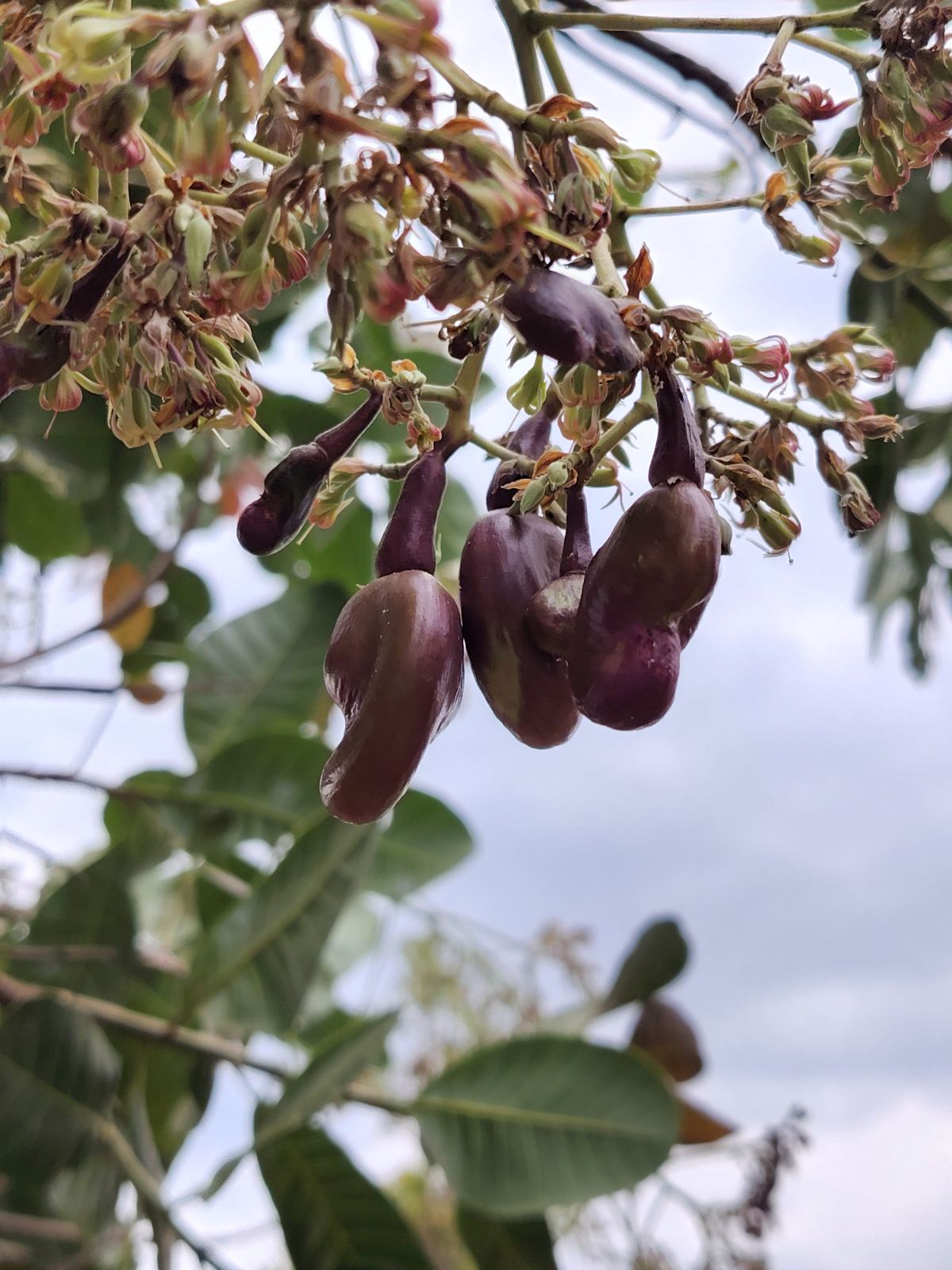
Raw cashew nuts (RCN) possess a tough outer shell containing caustic Cashew Nut Shell Liquid (CNSL). Extracting intact whole kernels without mechanical damage or chemical contamination presents major technical hurdles:
- Kernel Scorching & Discoloration: Excessive thermal treatment during decortication alters natural ivory-white kernel color, reducing commercial grade value.
- High Shelling Breakage Rates: Imprecise mechanical cutting pressure causes excessive kernel cracking, converting high-value whole nuts into lower-value fragments.
- CNSL Contamination Risks: Liquid shell residue contacting the inner kernel creates quality rejection risks for international food safety audits.
To manage these risks, processors must control raw nut conditioning, shelling parameters, and downstream inspection. Actual performance depends on equipment configuration, raw material characteristics, and validated operating procedures.
Target Agriculture aims to support product quality through appropriate processing controls and inspection procedures. The following methods describe important considerations in cashew processing; specific equipment and performance claims should be confirmed against the factory's actual operating procedures.
- Calibrated Thermal Softening: Raw nuts undergo controlled steam conditioning to soften the outer shell while maintaining optimal inner kernel moisture.
- Shell-Kernel Separation: Thermal expansion creates an internal air gap, allowing the shell to split cleanly without adhering to the kernel.
Conditioning parameters should be adjusted to raw nut size, moisture, and shell characteristics. Appropriate controls can help make shelling more manageable, but the resulting whole-kernel recovery rate depends on multiple process variables.
- Controlled Cutting Parameters: Shelling equipment should be configured to accommodate raw nut size and shape variations, helping limit unnecessary pressure on the kernel.
- Whole-Kernel Recovery: Careful shelling and raw-material grading can help reduce breakage and support the production of commercial grades such as WW240 and WW320, subject to actual grading results.
- Optical Color Sorting: Optical sorting systems, where installed, can help identify kernels with discoloration or other visible defects.
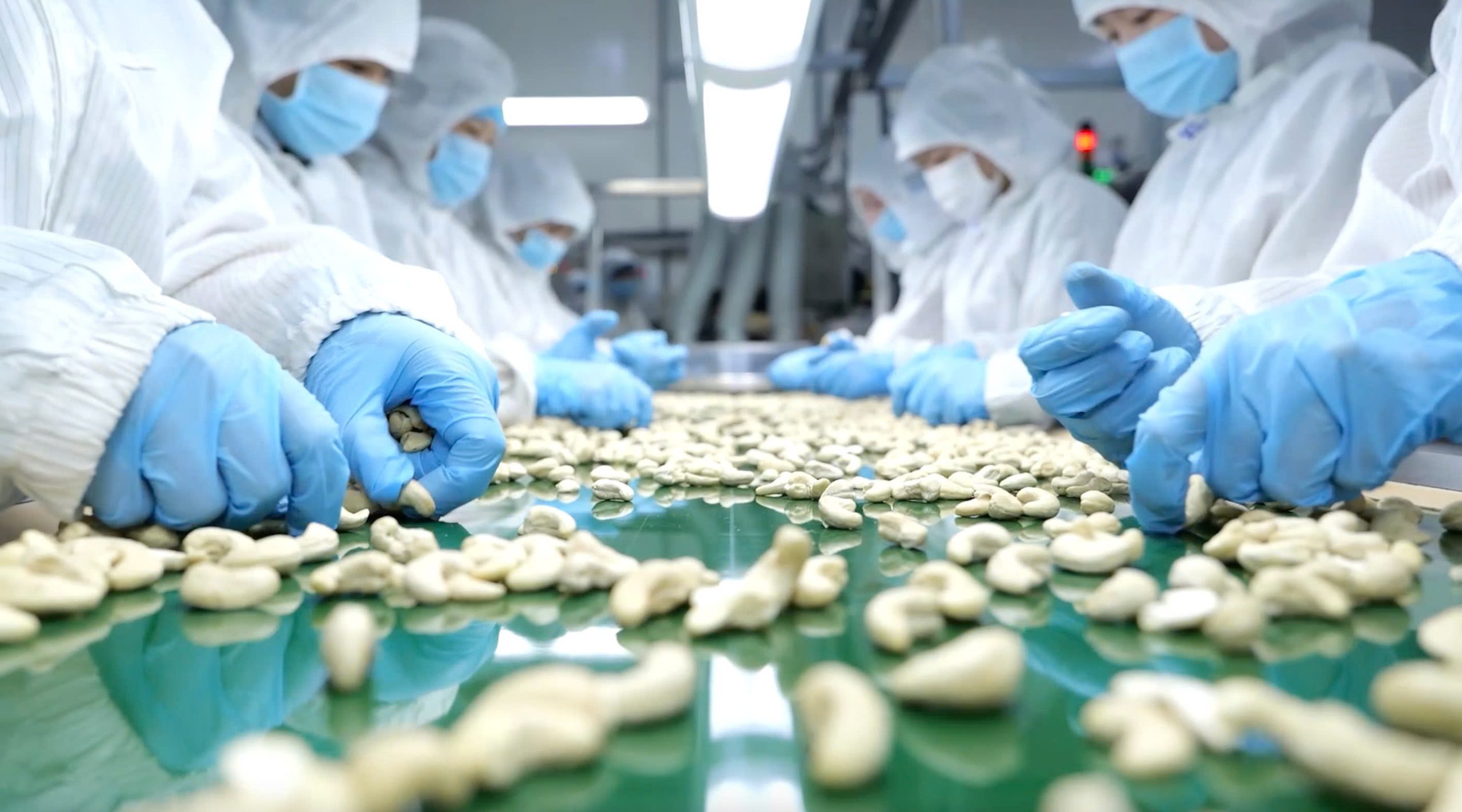
- Meticulous Manual Inspection: Skilled technicians perform final visual quality checks to identify shell fragments and defective kernels according to the applicable inspection criteria.
- Advanced X-Ray Contamination Screening: X-ray inspection, where available and validated for the product and hazard type, can support the detection of certain foreign materials. Detection capability depends on the equipment, product characteristics, and validated settings.
Inspection methods should be described in line with the actual equipment and documented quality-control procedures used at the facility. Avoid stating that every kernel receives X-ray screening or that contamination is completely eliminated unless supporting records substantiate those claims.
1. RCN Grading & Moisture Calibration: Sorting raw cashew nuts by size and assessing the conditioning parameters required for the incoming batch.
2. Steam Softening & Mechanical Decortication: Conditioning and shelling raw nuts with process settings intended to help protect kernel integrity.
3. Testa Peeling and Kernel Preparation: Removing the thin outer skin using the applicable peeling method, followed by checks for kernel damage and residual testa.
4. Precision Optical Sorting, Manual Inspection & Applicable Foreign-Body Controls: Using appropriate sorting and inspection steps to assess defects and foreign-body risks in accordance with product specifications.
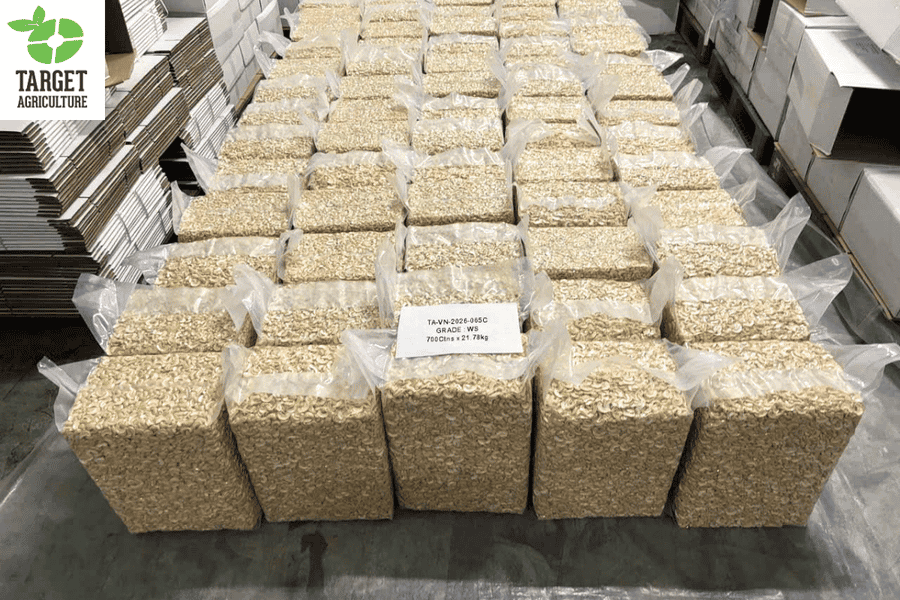
5. Packaging and Product Protection: Selecting suitable food-contact packaging and, where used, vacuum or modified-atmosphere packaging according to product and customer requirements. Bulk formats may include 5 kg, 11.34 kg, or 22.68 kg bags, while retail formats may range from 100 g to 2 kg, subject to availability and confirmation.
6. Master Carton Staging & Export Dispatch: Packing sealed inner bags into appropriate outer cartons and preparing shipments according to buyer specifications and export requirements.
Technical note: The original draft mentions nitrogen MAP packaging and “pure Nitrogen” but does not specify a validated gas composition or confirm that the process is used for all products. State the gas specification only after confirming the packaging procedure and technical records.
Sourcing origin-processed organic cashews from Target Agriculture Group can give buyers an opportunity to discuss product specifications, grading requirements, packaging formats, and quality documentation directly with their supplier.
- Consistent Grade Uniformity: Clearly defined grading specifications and batch inspection records help buyers assess suitability for their retail packaging or manufacturing lines.
- Competitive Pricing Efficiency: Understanding whole-kernel recovery, broken-kernel grades, and processing yields helps buyers evaluate the commercial value of a cashew supply offer.
- Food Safety and Quality Controls: Documented inspection procedures, appropriate packaging, and available batch records help buyers evaluate product conformity and supplier quality management.
For B2B procurement teams, the most useful comparison is not whole-kernel percentage alone. Buyers should also consider grade definitions, moisture specifications, defect tolerances, packaging requirements, shelf-life conditions, and the supporting quality documents available for each batch.
Target Agriculture Group works with B2B buyers exploring organic cashew sourcing, product specifications, and potential bulk or private-label opportunities.
Contact our export sales team to request technical grade specifications, available Certificates of Analysis (CoAs), packaging options, or a quotation tailored to your requirements.
Learn more about our bulk and OEM organic cashew solutions and our approach to organic cashew farming in Binh Phuoc.
 YOUTUBE - LINKEDIN