



Everyone knows the cashew nut. Almost no one has tasted the fruit it grows on — even though cashew apples are richer in vitamin C than oranges and packed with antioxidants. Here is what you are missing.
When people think of cashews, they usually picture the nut. But the colorful, juicy fruit it grows on — the cashew apple — is equally edible, highly nutritious, and almost entirely overlooked by the rest of the world.
Understanding the full anatomy of the cashew fruit is the first step to appreciating how much value is being left on the ground.
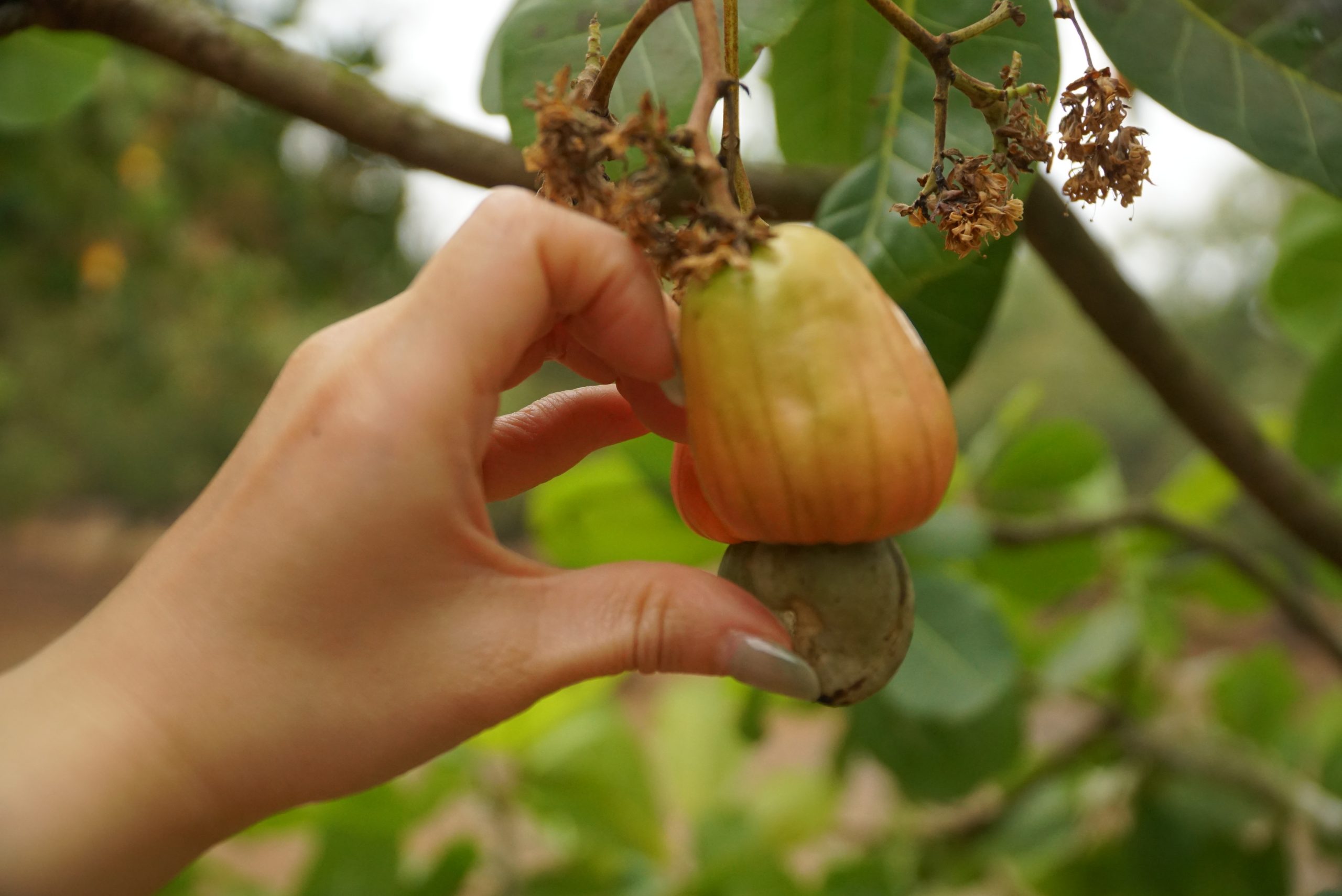
The cashew fruit consists of approximately 10% cashew nut and 90% cashew apple by weight. Although the cashew apple weighs nearly nine times more than the nut, the cashew nut has traditionally been considered the tree's primary product and the main reason for cultivating cashew trees. As a result, the cashew apple has often been overlooked and underutilized.
A cashew fruit has two parts:
- The cashew apple – a juicy, pear-shaped fruit rich in vitamins and antioxidants.
- The cashew nut – the seed attached to the bottom of the apple, protected by a hard shell.
In most cashew-producing countries, including Vietnam, only the nut enters the commercial supply chain. The apple — which accounts for 90% of the fruit's total weight — is typically left to decompose beneath the tree.
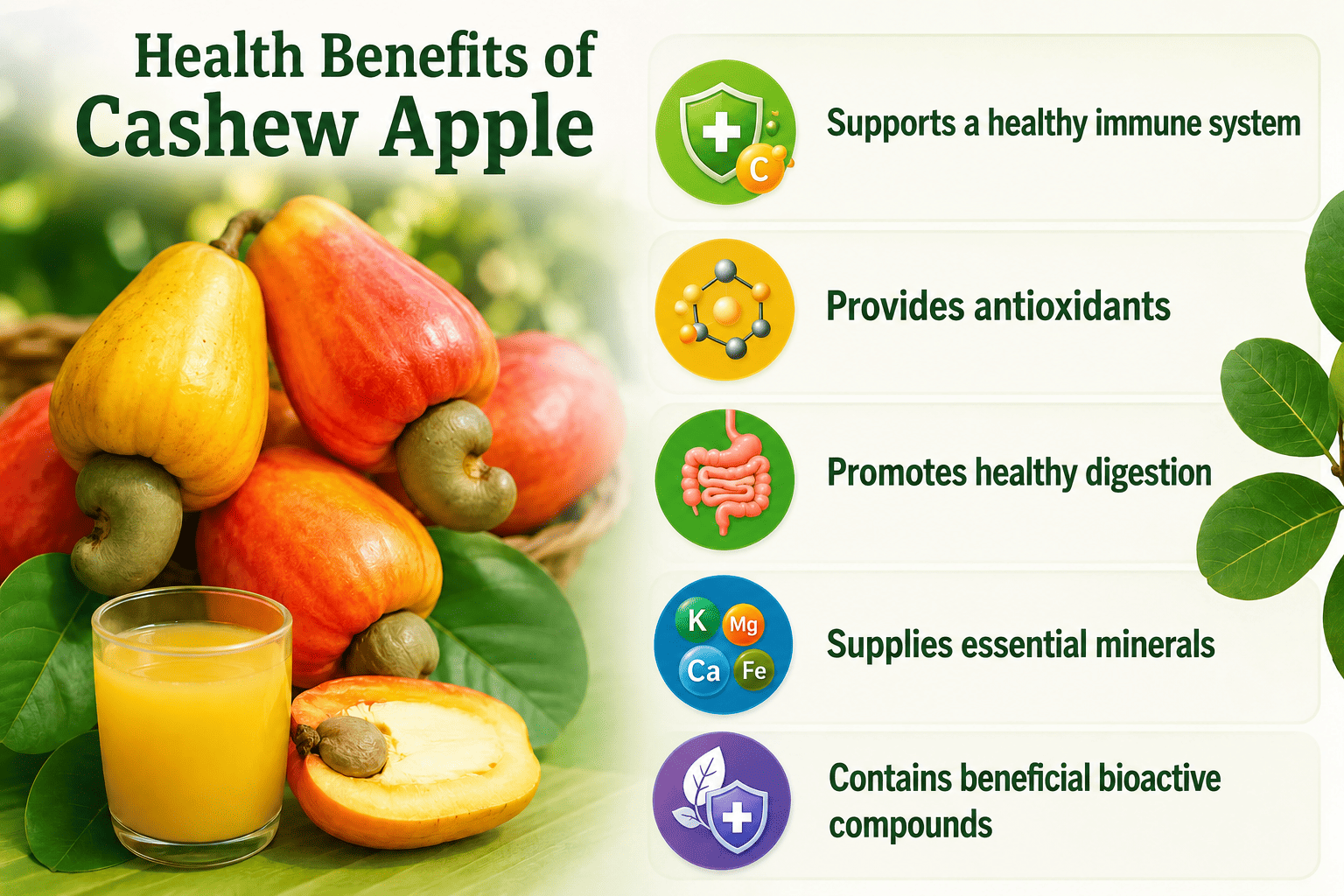
Cashew apples are naturally rich in vitamin C, containing approximately 200–269 mg per 100 mL of juice, which is about six times more vitamin C than orange juice. They are also an excellent source of dietary fiber, potassium, magnesium, calcium, iron, and powerful antioxidants, including phenolic compounds and carotenoids.
✅ Rich in vitamin C to support your immune system.
✅ High in antioxidants that help protect your body from free radicals.
✅ A good source of fiber for healthy digestion.
✅ Refreshing, naturally sweet, and hydrating.
For context: a single glass of fresh cashew apple juice can deliver more than twice the daily recommended vitamin C intake for an adult.
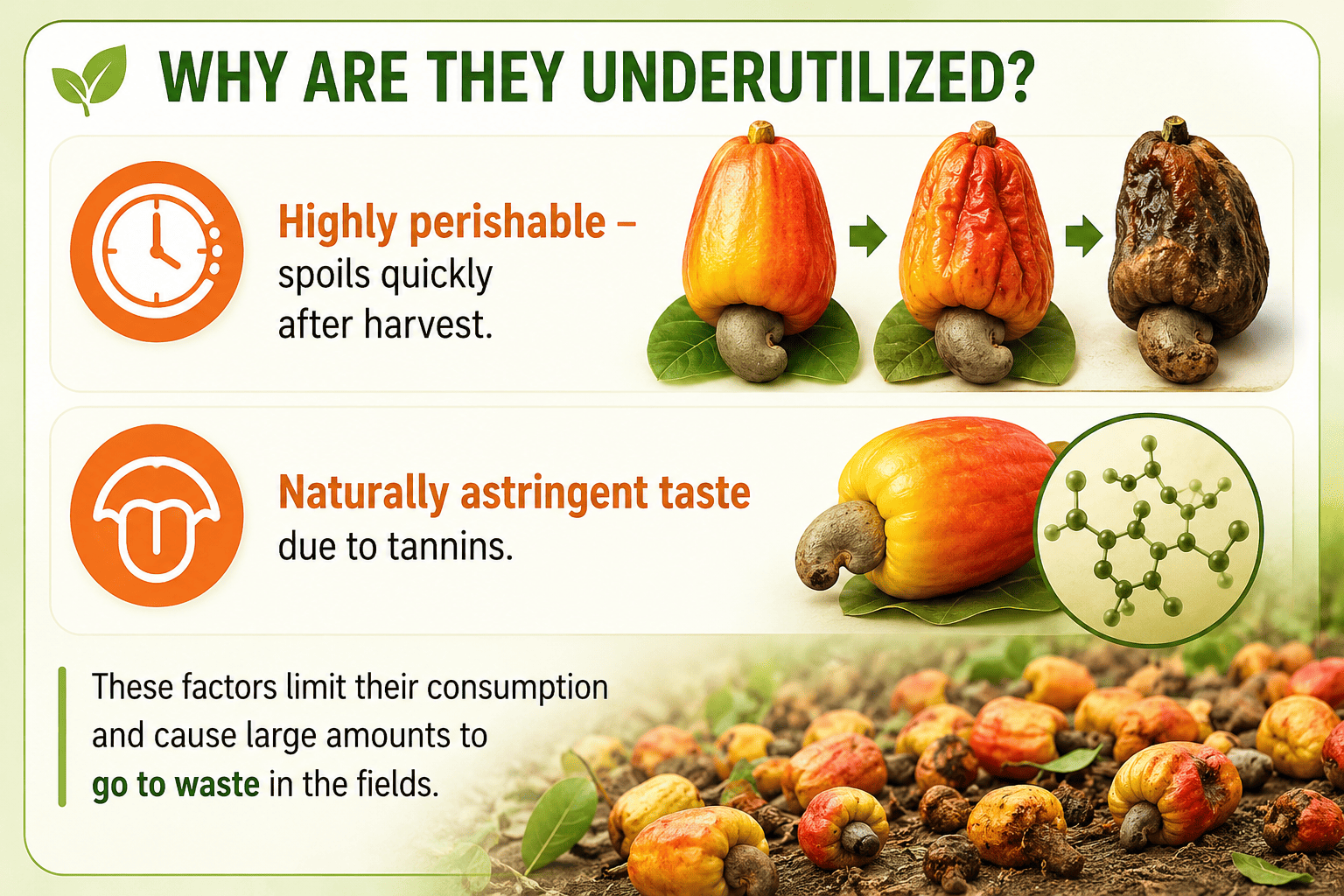
Despite their nutritional value, cashew apples face two practical challenges that have kept them out of mainstream markets: a very short shelf life after harvest, and a naturally astringent tannin content that requires processing to make palatable at scale.
After the nuts are harvested, the apples are often left beneath the trees to decompose as organic fertilizer — resulting in the loss of a fruit that could otherwise be processed into:
- Fresh juice and juice concentrates
- Jam, preserves, and dried snack formats
- Vinegar and fermented beverages
- Wine — a traditional product in several cashew-producing countries
As processing technology improves and consumer interest in functional, nutrient-dense foods grows, cashew apple products represent a significant untapped opportunity — both for farming communities and for food brands looking for differentiated organic ingredients.
The best way to understand cashew apples is to taste one fresh from the tree.
Target Agriculture invites you to visit our organic cashew farm in Binh Phuoc, Vietnam during the cashew harvest season — February to May each year. Walk through the orchard, taste freshly picked cashew apples at peak ripeness, and see firsthand how the full cashew fruit — not just the nut — grows in its natural environment.
It is the kind of experience that changes how you think about a fruit most people have never considered.
👉 Contact Target Agriculture to learn more about farm visits or our organic cashew products at target-agriculture.com
 YOUTUBE - LINKEDIN