


Not all cinnamon is equal — one variety carries far more coumarin than the other. Here's the Cassia vs Ceylon Cinnamon difference buyers often miss.
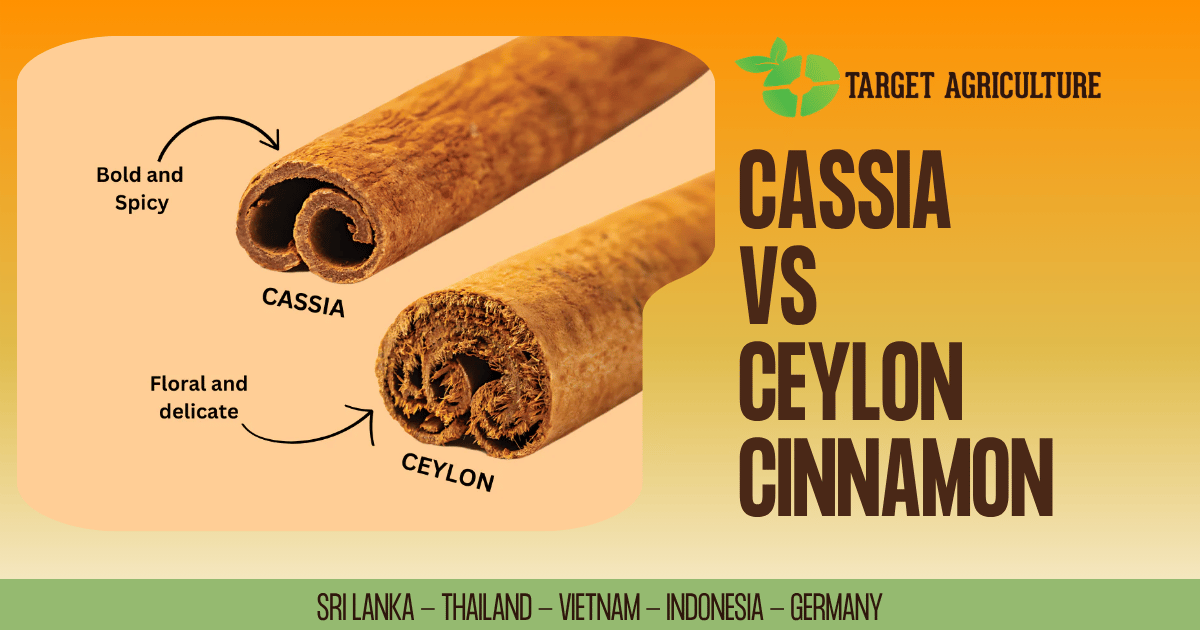
Cinnamon is one of the world's most popular spices, widely used in food, beverages, baking, and traditional medicine. However, not all cinnamon is the same. The two main commercial varieties - Cassia Cinnamon and Ceylon Cinnamon—have distinct characteristics that can affect flavor, quality, safety, and pricing.
For importers, food manufacturers, and retail brands, understanding these differences is essential when selecting the right product for your market.
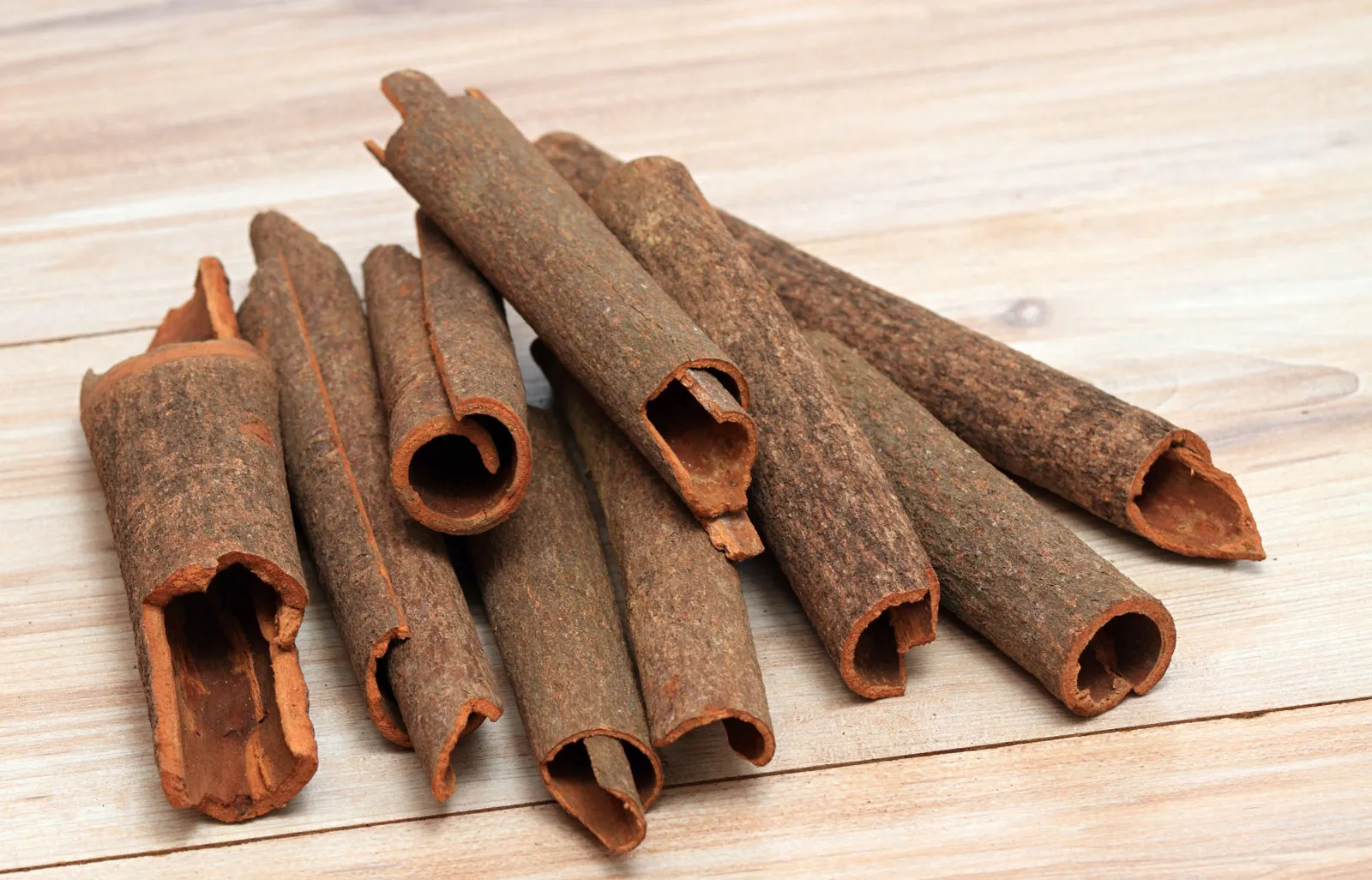
Cassia cinnamon comes from several species of the Cinnamomum genus, including Cinnamomum cassia, C. burmannii, and C. loureiroi. It is the most widely traded cinnamon globally and is commonly produced in China, Indonesia, and Vietnam.
- Thick, hard bark
- Dark reddish-brown colour
- Strong, spicy flavour
- Higher essential oil content
- More affordable than Ceylon cinnamon
Cassia cinnamon is commonly used in bakery products, confectionery, spice blends, beverages, and processed foods where a bold cinnamon flavour is desired.
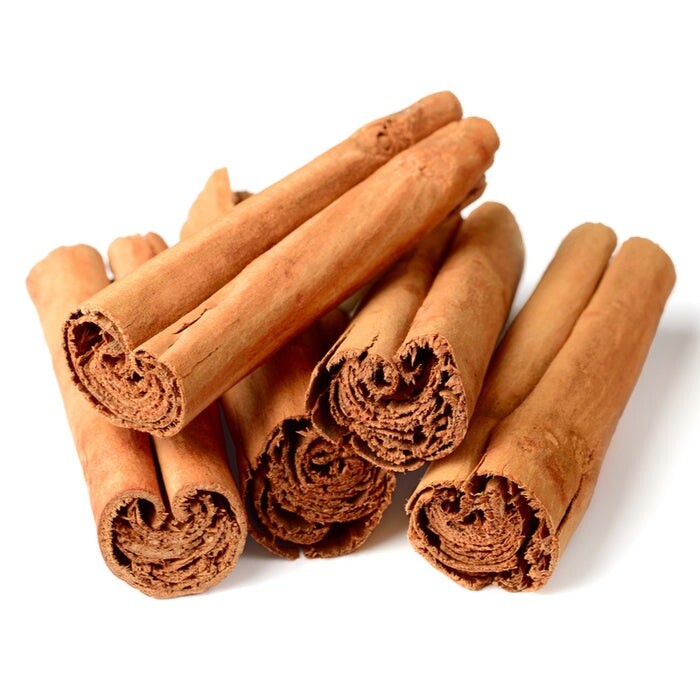
Often referred to as "True Cinnamon," Ceylon cinnamon comes from Cinnamomum verum, primarily grown in Sri Lanka.
- Thin, delicate bark with multiple layers
- Light golden-brown colour
- Mild, sweet, and delicate flavour
- Lower coumarin content
- Premium market positioning
Because of its refined taste, Ceylon cinnamon is often preferred for premium teas, gourmet desserts, and high-end retail products.
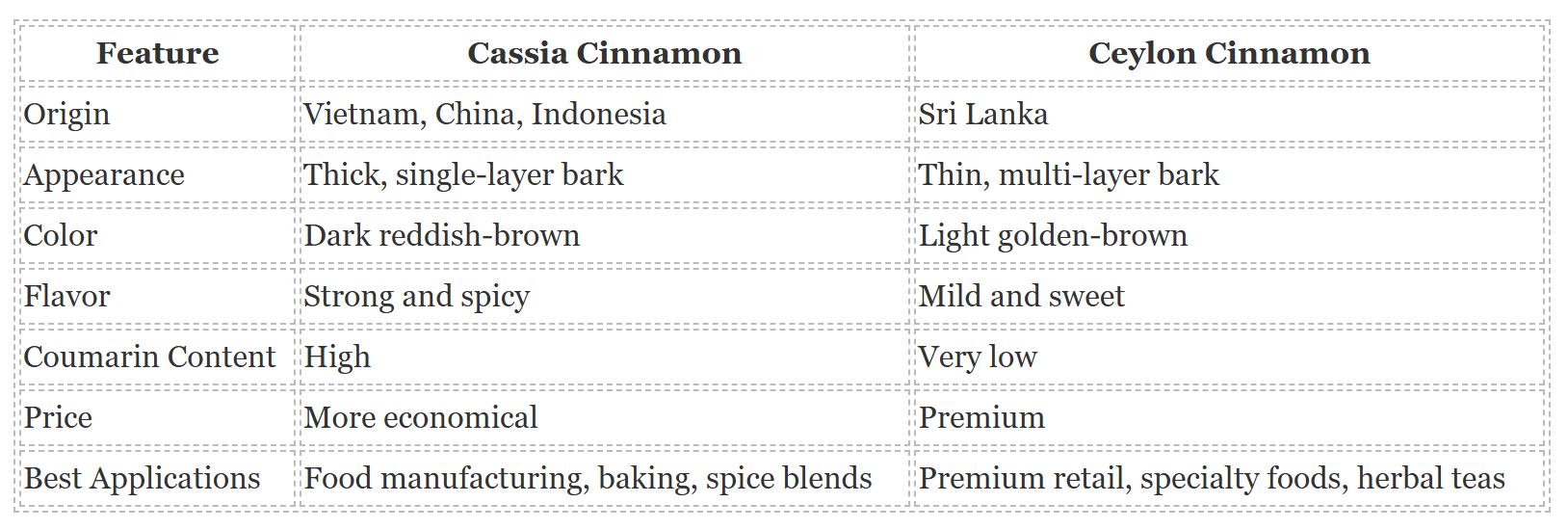
One of the most important differences between Cassia and Ceylon cinnamon is their coumarin content. Coumarin is a naturally occurring compound found in cinnamon bark, but its concentration varies significantly between the two varieties.
Cassia cinnamon naturally contains much higher levels of coumarin than Ceylon cinnamon. According to the European Food Safety Authority (EFSA), excessive coumarin intake over a prolonged period may increase the risk of liver toxicity in sensitive individuals. To help protect consumers, EFSA has established a Tolerable Daily Intake (TDI) of 0.1 mg of coumarin per kilogram of body weight per day.
For occasional culinary use, Cassia cinnamon is generally considered safe as part of a balanced diet. However, for products that contain relatively high levels of cinnamon or are intended for frequent consumption, many manufacturers prefer Ceylon cinnamon because of its naturally low coumarin content.
By choosing Ceylon cinnamon, food manufacturers can offer consumers a premium ingredient with a milder flavour profile while helping to reduce long-term exposure to coumarin.
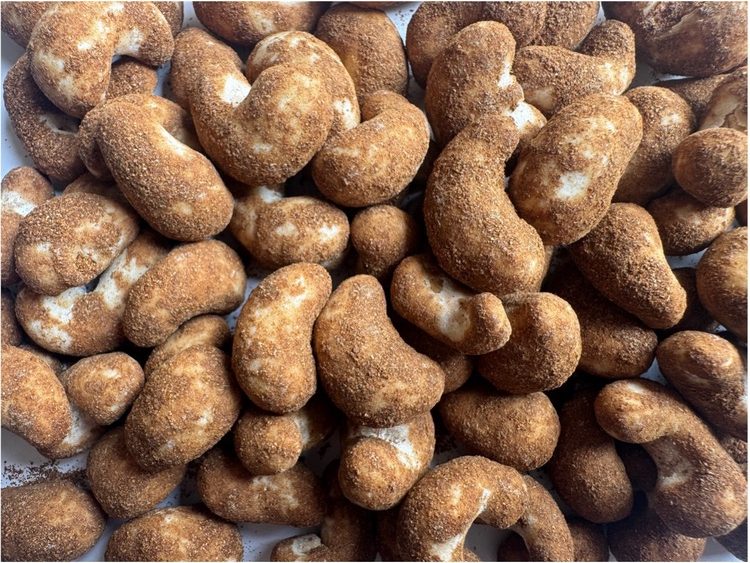
At Target Agriculture Group, we use Ceylon cinnamon in our Cinnamon-coated cashews to deliver a premium taste experience while meeting the expectations of quality-conscious consumers.
Compared with Cassia cinnamon, Ceylon cinnamon offers a naturally milder, sweeter, and more delicate flavour that complements the rich, buttery taste of cashews without overpowering their natural characteristics.
Another important advantage is its significantly lower coumarin content. Although coumarin is a naturally occurring compound found in cinnamon, Ceylon cinnamon contains much lower levels than Cassia, making it a preferred choice for premium food products intended for regular consumption. By selecting high-quality Ceylon cinnamon, we aim to provide consumers with a balanced flavour profile while reinforcing our commitment to quality ingredients, responsible sourcing, and continuous product improvement.
For us, choosing the right cinnamon is not only about flavour—it's about delivering a product that reflects the standards our customers expect from Target Agriculture Group.
Choosing between Cassia and Ceylon cinnamon is more than a matter of taste—it is a decision that influences product positioning, consumer experience, and long-term brand value. Understanding the characteristics of each variety enables buyers and food manufacturers to select the ingredient that best aligns with their product goals.
At Target Agriculture Group, we combine carefully selected ingredients with rigorous quality management to deliver premium cashew products that meet international food safety standards and customer expectations.
Contact Target Agriculture Group to discover our Cinnamon-coated cashews or discuss how we can support your next private label or ingredient sourcing project.
 YOUTUBE - LINKEDIN