



The wrong grade can raise costs or hurt quality. See how a Private Label Cashew Manufacturer Vietnam matches grades to each application.
Cashew kernel grades are widely used in international trade, but their importance goes far beyond classification. Each grade serves a specific purpose across retail, food manufacturing, and industrial applications. Understanding how these grades are used in real-world scenarios allows buyers to make more effective sourcing decisions while optimizing both product quality and cost efficiency.
For international buyers, the most effective approach is not simply to identify a cashew grade, but to understand how that grade performs in the intended product application.

Figure 1: Common whole cashew kernel grades used in retail applications. Broken cashew kernel grades for food manufacturing applications.
Cashew grading systems are typically based on size, color, and appearance. However, in practice, buyers do not select grades based on specifications alone.
Instead, the key question is how each grade performs in the final product. A grade that is ideal for retail display may not be suitable for processing, and a cost-efficient grade for manufacturing may not meet retail expectations.
For this reason, understanding application-based usage is more important than simply knowing grade definitions.
In other words, the right cashew grade depends on what the buyer wants to achieve: premium appearance for retail, consistency for food manufacturing, or cost efficiency for large-scale production.
Whole kernel grades such as W180, W240, and W320 are commonly used in retail markets where appearance plays a key role.
Larger kernels like W180 and W240 are often associated with premium products. Their size and uniformity make them suitable for gift packaging and high-end snack lines, where visual appeal influences consumer perception.
W320, by contrast, is the most widely used grade globally. It offers a balance between cost and appearance, making it ideal for mainstream retail products and private label brands.
Because of this flexibility, W320 remains a preferred option for many buyers targeting large-scale distribution.
Broken grades such as LP (Large Pieces), SP (Small Pieces), and BB (Baby Bits) are primarily used in food processing applications.
In these cases, visual appearance is less important than functionality and cost efficiency. Broken cashews are widely used in:
- Bakery products
- Confectionery
- Dairy alternatives
- Snack mixes and ready meals
These grades allow manufacturers to maintain product consistency while reducing raw material costs, making them essential for large-scale production.
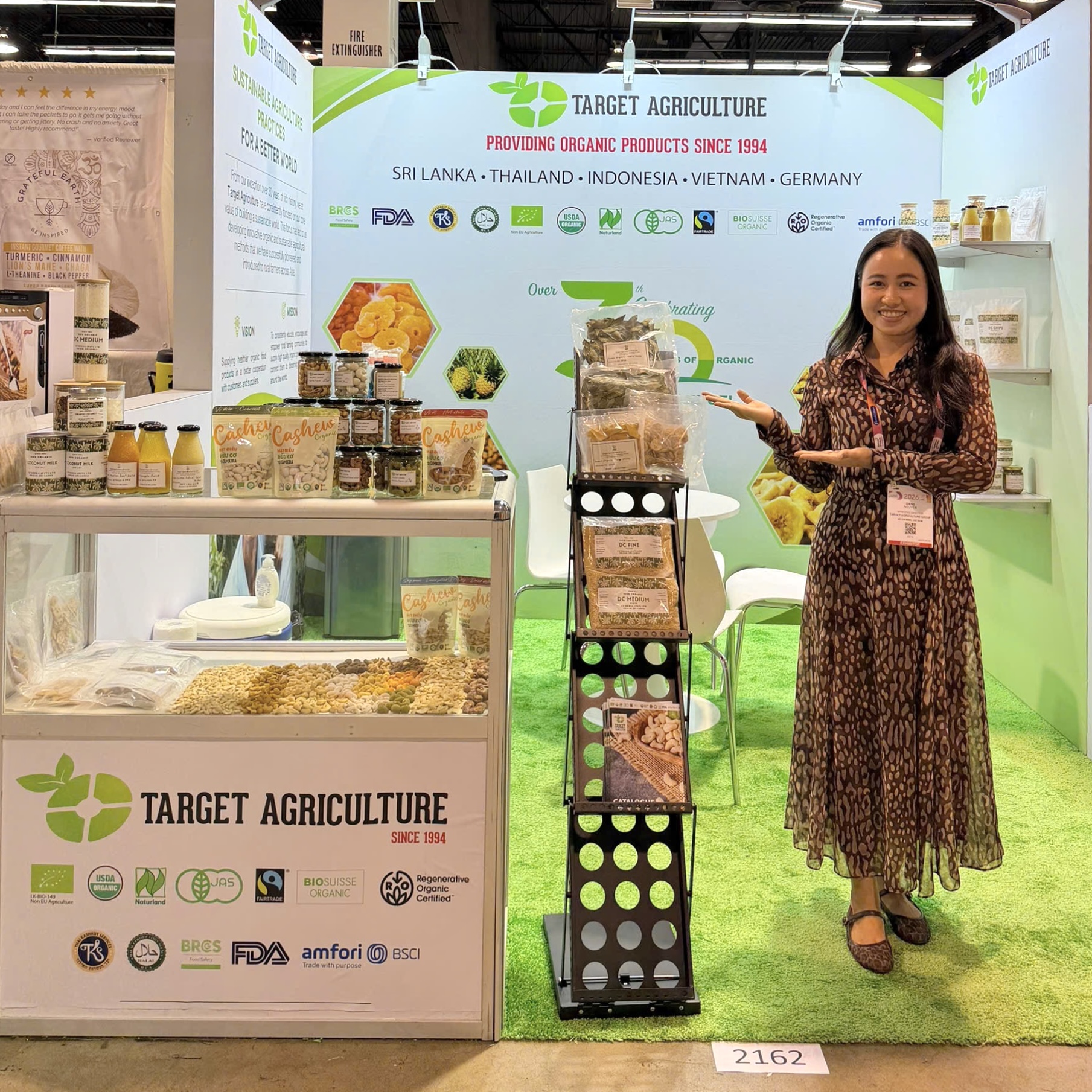
Figure 2: Cashew kernel grades can support different product positioning and market applications
Different markets favor different grades depending on consumer expectations.
Premium markets tend to prioritize large, visually appealing kernels, while mass markets prefer balanced options like W320. Industrial applications rely heavily on broken grades for efficiency and cost control.
Understanding these differences helps buyers select the most suitable grade for their market, improving product acceptance and overall performance.
A practical way to approach grade selection is to start with the final product and work backward:
- Premium retail and gift products → W180 / W240
- Mainstream retail and private label → W320
- Bakery and confectionery → LP / SP
- Products requiring smaller cashew pieces → BB
- Large-scale manufacturing → grades selected according to functional and cost requirements
This application-based approach allows buyers to avoid paying for specifications that their final product does not actually require.

Selecting the right cashew grade is both a technical and strategic decision.
Retail brands often invest in higher grades to enhance product positioning and attract consumers. A premium appearance can support higher pricing and strengthen brand perception.
Meanwhile, manufacturers focus on cost efficiency by choosing grades that meet functional requirements without unnecessary expense.
Balancing these priorities allows businesses to align sourcing decisions with their target market and product strategy.
At Target Agriculture, we provide a wide range of cashew grades tailored to different applications, ensuring consistent quality and reliable supply for international partners.
Whether you are developing a premium snack, mainstream retail product, private label line, or food manufacturing application, selecting the right cashew grade can help you achieve the right balance between quality, functionality, and cost.
Looking for the right cashew grade for your next product? Contact Target Agriculture to explore suitable cashew solutions for your market and application.
 YOUTUBE - LINKEDIN