


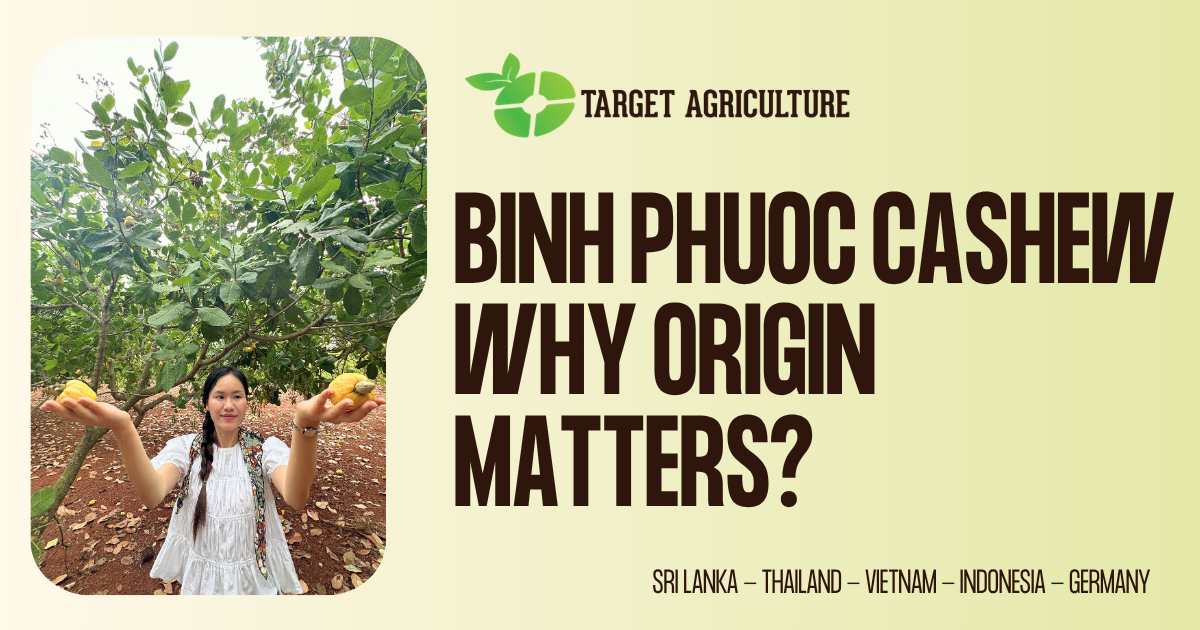
Not all cashews are equal. Geographic origin, season, and processing shape nutritional value. Discover why Binh Phuoc organic cashew leads in quality — and how Target Agriculture controls every step.
Cashew is known to contain a high content of unsaturated fatty acids (FAs), both mono- and polyunsaturated FAs, combined with a wide variety of vitamins, amino acids, phytosterols, dietary fiber, sugar, and energy contents. It also contains high minerals such as magnesium, phosphorus, zinc, manganese, and copper, that was proven in many studies.
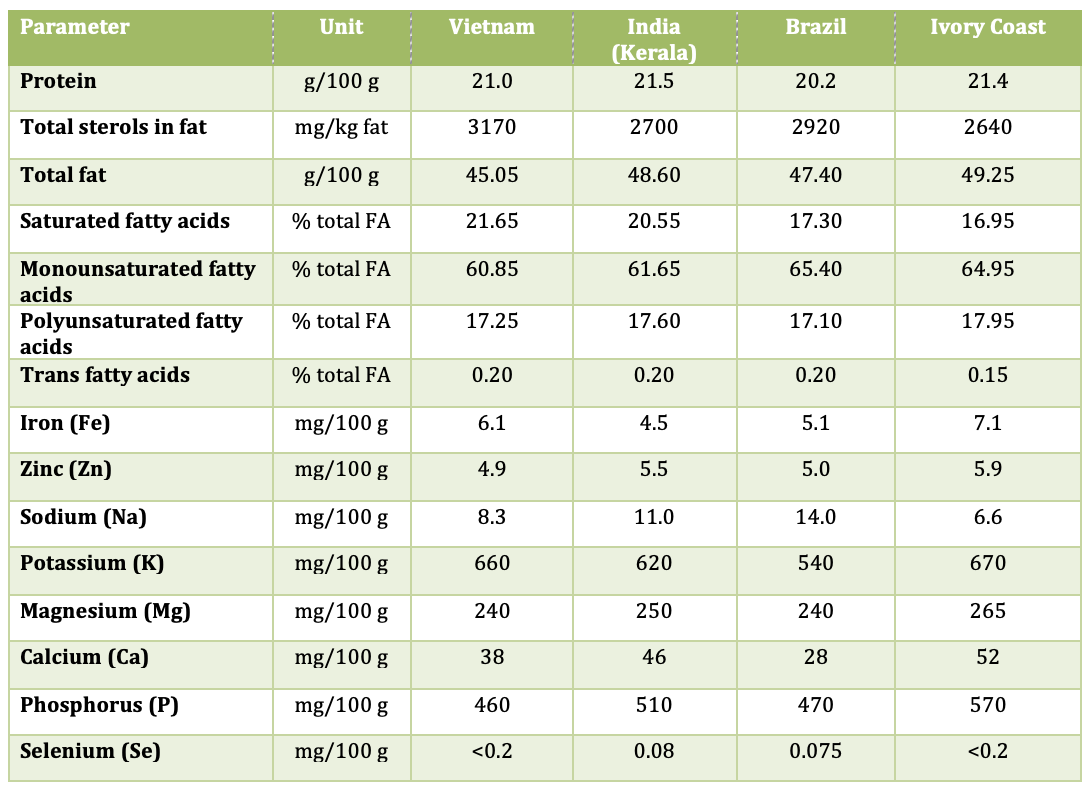
However, the nutritional composition of cashew kernels varies depending on their geographical origin, as factors such as soil characteristics, climate conditions, genetic variety, and agricultural practices influence the accumulation of nutrients.
Cashew trees grown in different regions—such as Vietnam, India, or Brazil—are exposed to varying soil compositions, climate conditions, and farming practices. These factors can influence:
- Fat content (especially the ratio of saturated vs. unsaturated fats)
- Protein levels
- Mineral content (magnesium, zinc, iron, e.g)
For instance, nutrient-rich soils may enhance mineral accumulation, while differences in temperature and rainfall can affect lipid metabolism in the nut. These effects have been demonstrated by Ricard Rico et al. [1]
Seasonal factors, including rainfall patterns, temperature fluctuations, and sunlight exposure during the growing period, can also impact cashew composition. Nuts harvested in different seasons may show slight differences in:
- Moisture content
- Oil concentration
- Antioxidant compounds
These variations are primarily due to how environmental stress and maturity levels influence biochemical processes in the cashew kernel. Studies have shown that moisture and lipid content are inversely related and can vary depending on environmental conditions and genetic background [2]
Geography and season are not the only variables. Other elements that contribute to nutritional variability include:
- Cashew variety (genetic differences)
- Harvest maturity
- Post-harvest processing (drying, roasting)
Cashew varieties that are well adapted to specific climatic conditions and soil characteristics are more likely to produce high-quality kernels with optimal nutritional profiles. Furthermore, harvesting practices play a crucial role, as only fully mature fruits yield kernels with the best composition in terms of oil, protein, and overall quality. Post-harvest handling and processing methods, such as drying and roasting, also significantly affect nutrient retention and product quality. Improper storage or excessive processing conditions may lead to nutrient losses or quality degradation, whereas well-controlled processes help preserve the nutritional value and functional properties of cashew kernels.
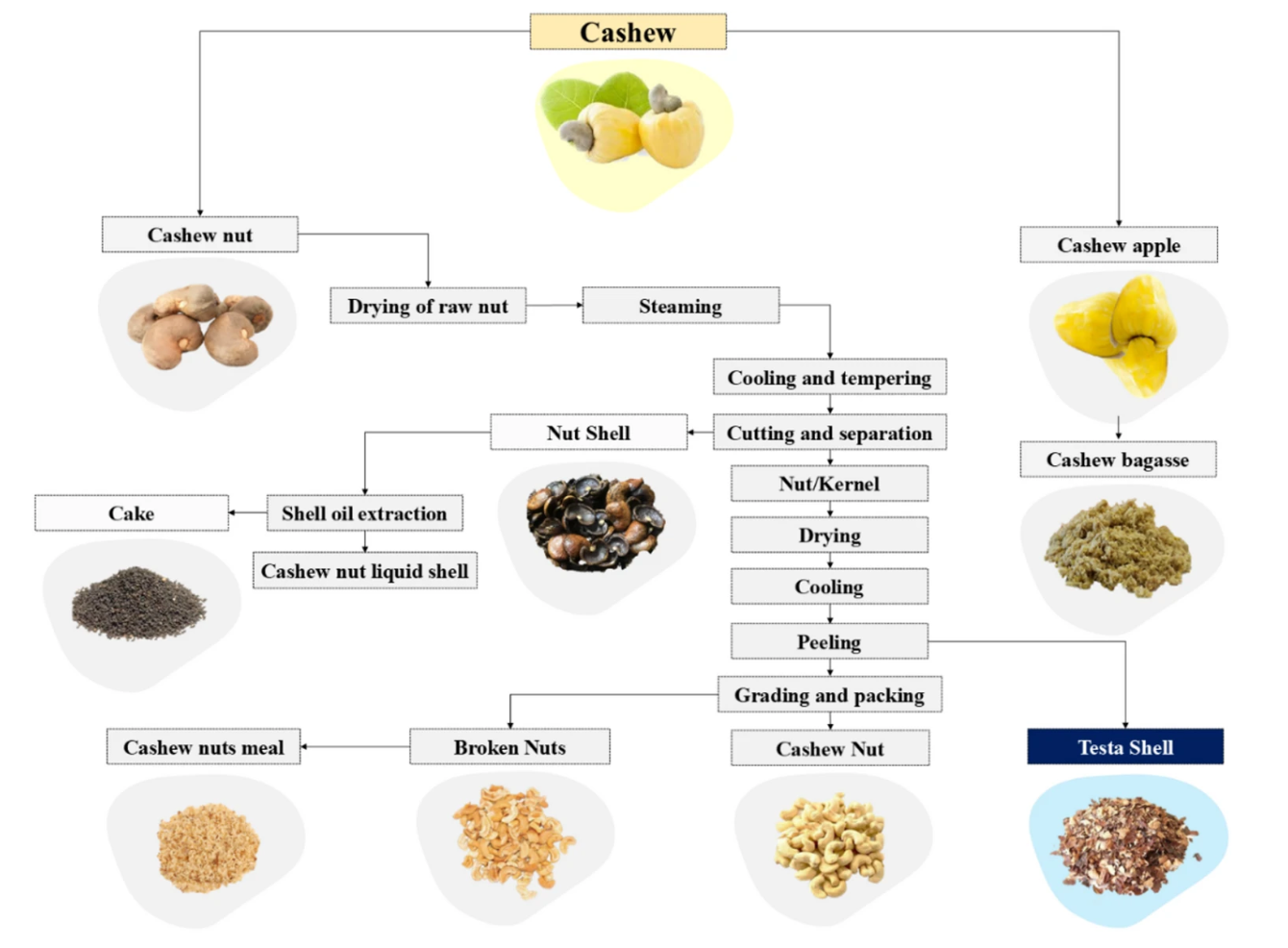
[3] Source
In Target Agriculture Vietnam, we implement a comprehensive raw material management system with full traceability to ensure transparency throughout the supply chain. Cashew apples are harvested only at optimal maturity to guarantee that the kernels achieve the highest quality at the point of collection.
Subsequently, all processing and storage stages are strictly controlled in accordance with established quality management systems. These measures are designed to preserve the nutritional value and maintain the superior quality of cashew kernels, ensuring that the best products are consistently delivered to our customers.
Cashew nutrition is not simply a fixed number on a label. Origin, season, variety, and processing all shape what ends up in every kernel — which is why understanding these variables matters for research, quality control, and informed sourcing decisions.
For buyers who need more than a commodity, Target Agriculture's farm-level quality control and full supply chain traceability ensure that the nutritional standard you expect is the one you consistently receive.
Refernce information as below:
[1] https://pmc.ncbi.nlm.nih.gov/articles/PMC4779481/
[2] https://doi.org/10.1016/j.heliyon.2023.e22321
[3] https://doi.org/10.30574/gscbps.2025.32.3.0369
 YOUTUBE - LINKEDIN