Choosing the wrong organic cashew supplier doesn't show up on day one. It shows up three shipments later — in a failed residue test, a certificate that doesn't match the harvest year, or a volume commitment the supplier can't actually fill. This checklist is built for buyers who want to catch those risks before signing a contract, not after.
Why Supplier Selection Is Harder for Organic Cashew Than Conventional
Organic cashew is a thinner market than conventional cashew, and that changes how sourcing risk behaves. A conventional buyer facing a supply gap can usually widen the sourcing radius. An organic buyer cannot — uncertified volume isn't a substitute, no matter how close it is in quality.
That means two suppliers can look identical on a spec sheet and still carry very different risk profiles. The difference shows up in questions a spec sheet doesn't answer: Where exactly was this grown? Who verifies that? What happens if this season's yield comes in short?
This is also the segment where documentation gaps are least forgivable. A single mislabeled batch, an expired certificate, or a supplier who can't produce a traceability record when asked can undo years of a buyer's own compliance work downstream.
The Vetting Checklist: What to Verify Before You Commit Volume
1. Certification — current, matched, and verifiable
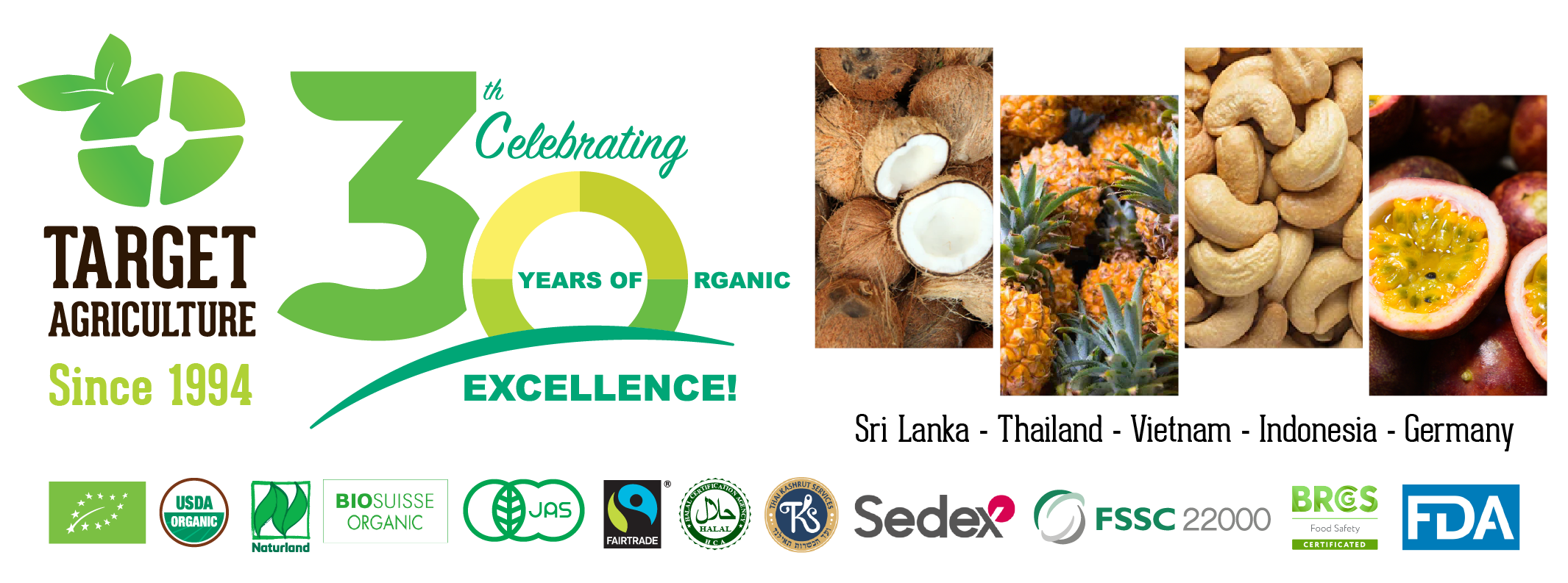
- Ask for the certificate itself, not a summary. Check the scope, the certified operator's legal name, and the expiry date.
- Confirm the certification body is accredited for the buyer's destination market (USDA NOP, EU Organic, JAS, or equivalent) — a valid certificate in one scheme doesn't guarantee equivalence in another.
- Ask how the certification is renewed and whether there has been a non-conformance in the last two audit cycles. A supplier confident in its systems will answer this directly.
2. Traceability — can they show it, not just claim it
- Ask a supplier to trace one sample lot back to a named farm or cooperative, on the spot. If they can't, the traceability system exists on paper only.
- Look for lot-level tracking that connects farm, processing batch, and shipment — not just regional origin claims.
- QR-code or digital traceability tools are increasingly standard for buyers who need to show provenance to their own retail or manufacturing customers.
3. Supply capacity versus contracted volume
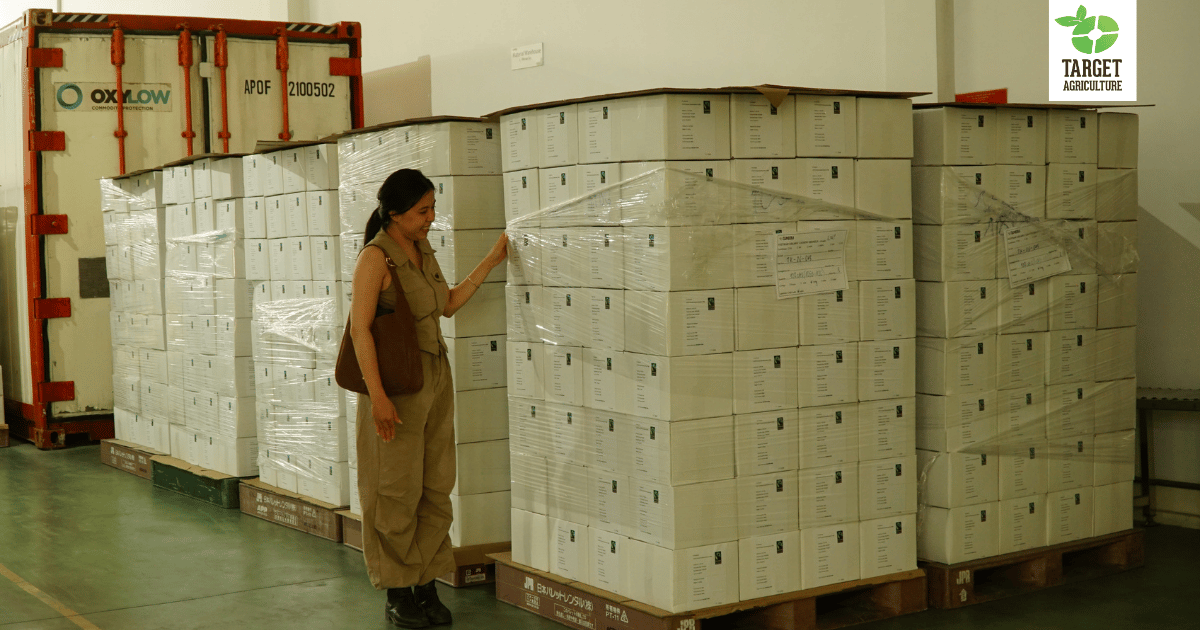
- Ask what percentage of the supplier's total organic volume is already committed to other buyers. A supplier operating near full allocation has little room to absorb your order without shorting someone.
- Understand where the raw material comes from: owned farms, long-term smallholder partnerships, or open-market purchasing. The first two give a supplier more control over consistency; the third carries more season-to-season variability.
- For multi-year contracts, ask how the supplier plans for yield variability — cashew is a biennial-bearing crop, and a supplier without a contingency plan is passing that risk to you.
4. Quality consistency across shipments, not just one sample
- Request quality data across several past shipments, not a single "golden sample." Consistency in moisture, breakage rate, and grading is what protects your production line.
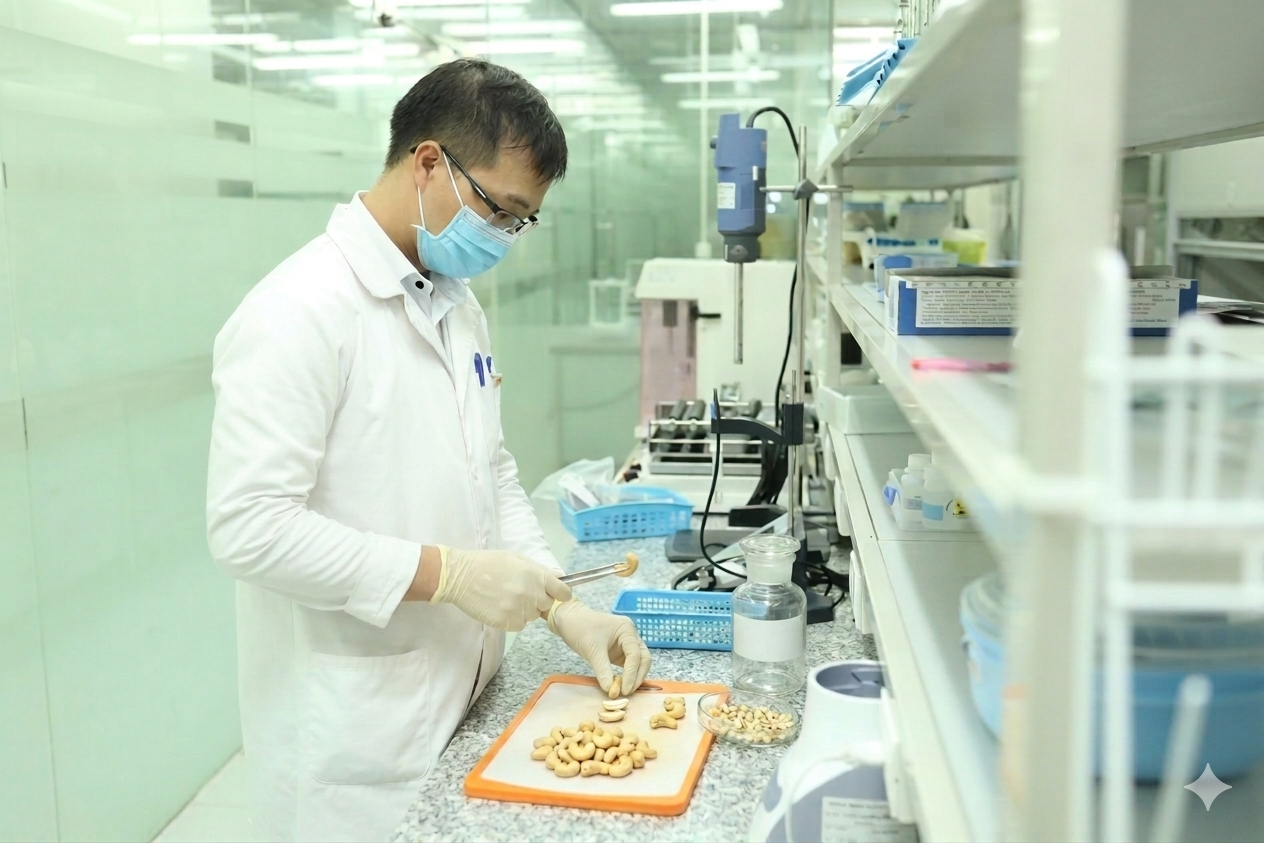
- Ask what process controls are in place before final inspection — suppliers who manage quality upstream, rather than sorting problems out at the end, tend to deliver more predictable results shipment after shipment.
5. Communication and documentation discipline
- A supplier's responsiveness during due diligence is a preview of how they'll handle a problem mid-contract. Slow or vague answers now are a signal, not a coincidence.
- Confirm who your point of contact will be after the contract is signed, and how documentation (certificates, lab results, shipping records) is delivered — proactively, or only when requested.
Red Flags Worth Pausing On
- Certificates provided as photos or PDFs with no way to verify against the issuing body's database
- Reluctance to name the farms or region of origin
- Pricing significantly below the prevailing organic market rate with no clear explanation
- No documented plan for a short-crop season
None of these automatically disqualify a supplier, but each one is worth a direct conversation before volume is committed.
Target Agriculture works with certified organic cashew orchards and long-term smallholder partnerships across Vietnam, with lot-level traceability built into every stage of production — from farm to shipment. Our approach to quality consistency and our organic cashew traceability system were built specifically to answer the questions in this checklist — because we designed them expecting buyers to ask.
Conclusion
A supplier's spec sheet tells you what they claim to deliver. This checklist tells you what to verify before you find out the hard way. In a market where organic supply is tight and buyers have less room to absorb a bad sourcing decision, the extra hour spent vetting a supplier is one of the highest-return hours in the entire procurement process.