


A good sample does not guarantee a good shipment. Most cashew buyers find this out the hard way — after the container arrives, the invoice is paid, and the problems begin.
When a cashew shipment fails, the instinct is to blame product quality. In practice, the root cause is almost never the cashew itself — it is the system behind how that cashew was processed, stored, and shipped.
The product that passes sample approval and the product that fills a container are produced by the same factory. But they are not always produced under the same conditions or the same level of process control (more info about our traceability system). That gap — between sample and shipment — is where most failures begin.
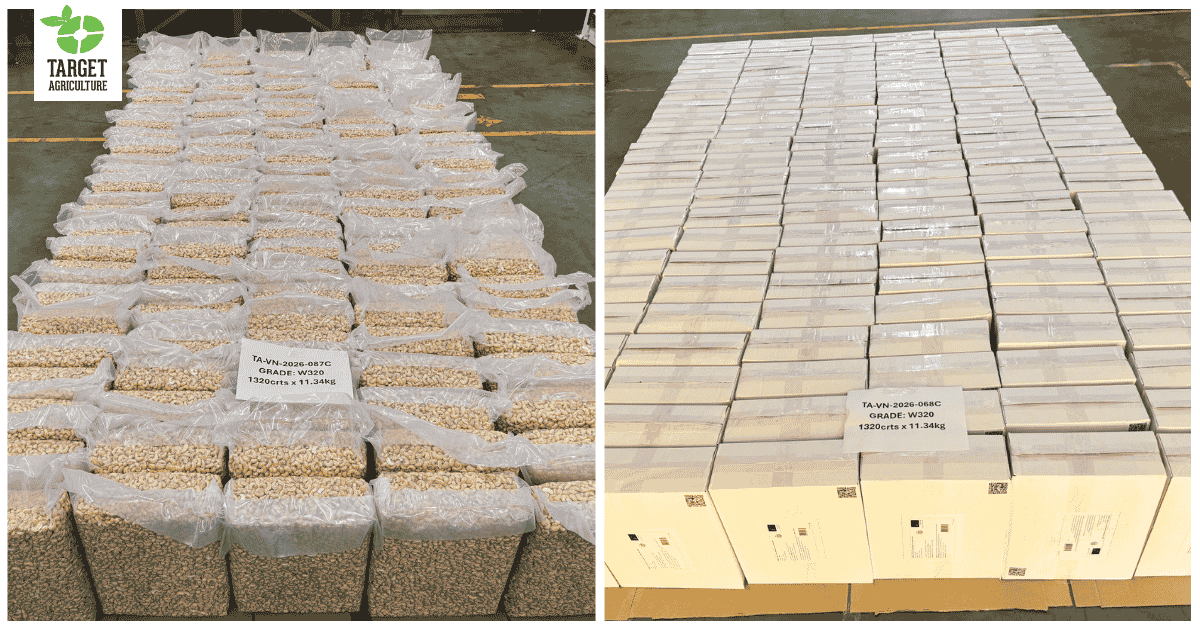
Most supplier evaluation frameworks focus on price and sample approval. Both matter. Neither is sufficient.
Price tells you what a supplier wants to charge. A sample tells you what they can produce under controlled conditions. Neither tells you whether they can reproduce that quality consistently across every shipment.
The factors that actually determine reliability are rarely checked:
- Batch-to-batch consistency: Does kernel grade remain stable across production runs — or does it drift depending on raw material that week?
- Moisture control across the full chain: Not just at processing, but through storage, port handling, and transit
- Internal quality systems: Final inspection catches problems. It does not prevent them. The question is what controls exist upstream
At Target Agriculture Vietnam, every batch is tracked by lot number from raw material intake through shelling, grading, drying, and packing. Moisture is recorded at multiple checkpoints. Grading runs against buyer-approved reference samples. Our facilities hold BRC, SMETA, EU Organic, USDA-NOP, JAS, Naturland, Fairtrade, Halal, and Kosher certifications — each requiring the quality system, not just the product, to be audited annually.
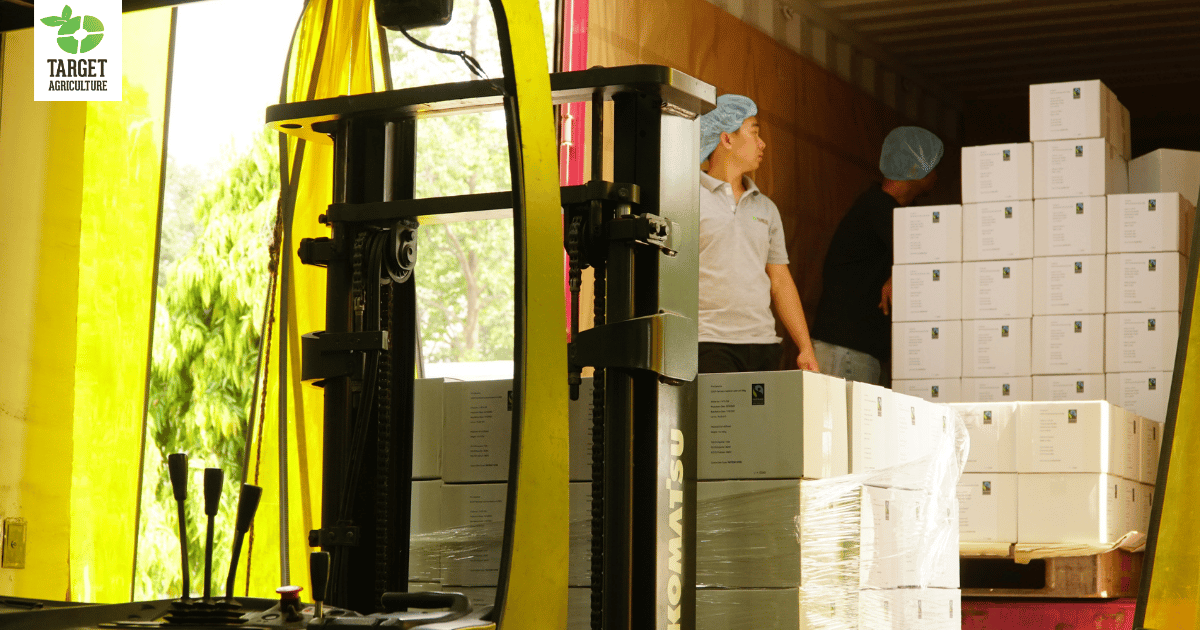
Cashew shipments rarely fail by accident. They fail because system gaps were not identified before the first order was placed.
Buyers who evaluate price and samples are assessing what a supplier charges and what they can produce once. Buyers who evaluate systems and certifications are assessing what will actually arrive — across every shipment, every season.
👉 Contact Target Agriculture to request quality documentation or discuss long-term supply partnership.
 YOUTUBE - LINKEDIN