


Before an organic cashew reaches your hands, the soil that grew it was fed — with compost, not chemicals. Here is why that single decision changes everything about the product you are buying.
Most conversations about organic cashews focus on what is not there — no pesticides, no synthetic chemicals, no harmful residues. That is accurate, but it misses something more fundamental: organic farming is not just about removing inputs. It is about what replaces them.
The answer, in certified organic cashew farming, is compost. And understanding what compost does — compared to the chemical fertilizers it replaces — is the clearest way to understand why genuinely organic cashews cost more, perform better, and matter more to the people who grow them.
These two products are often treated as interchangeable. They are not.
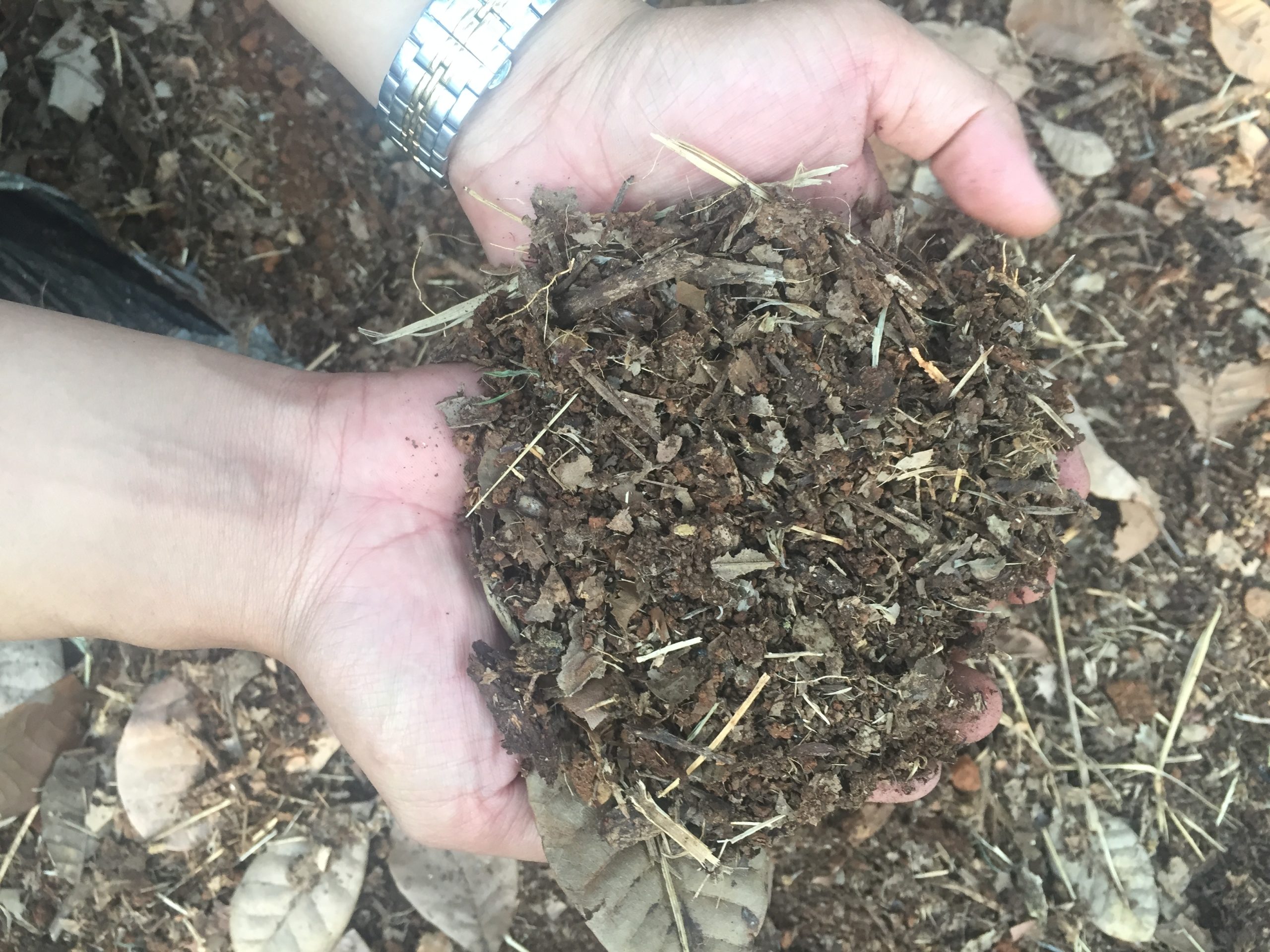
Compost is defined as the product resulting from the controlled biological decomposition of organic material — a mix of broken-down plant matter, food waste, and organic substances that enriches soil and feeds the microorganisms that make agriculture sustainable. It supplies the earth with nutrients like nitrogen, phosphorus, and potassium, and critically, improves the soil's ability to retain those nutrients long-term.
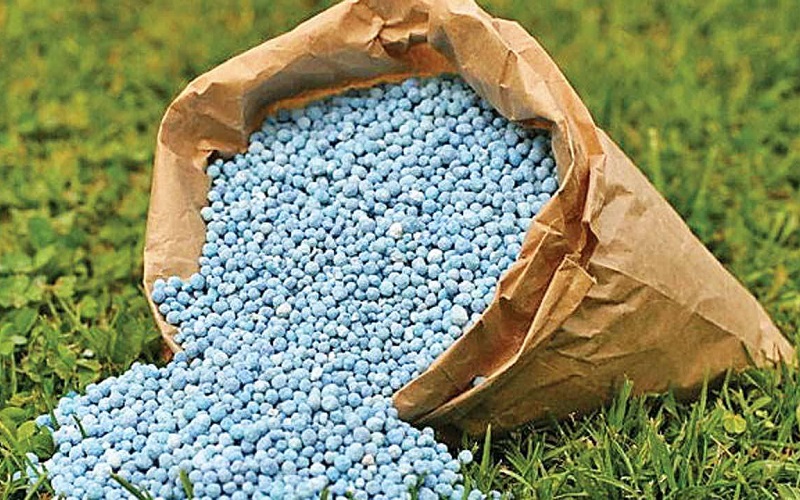
Chemical fertilizer is an engineered product designed to deliver precise nutrient quantities directly to plants. It works fast. This is the type of fertilizer you are most likely getting when you buy one of those big lawn fertilizer bags at a home improvement center. It's put together with great care to ensure that nutrients are available in quantities (this is where NPK ratios come in). But it works on the plant, not the soil — and the difference between those two outcomes accumulates over years and decades.
The main difference: compost nourishes the soil, while fertilizer feeds the plant. Consequently, compost builds long-term agricultural capacity, while fertilizer meets short-term growth targets — often at the soil's expense.
Chemical fertilizers are effective in the short term. The problems are cumulative and well-documented:
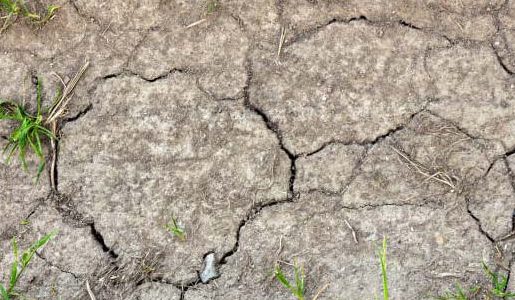
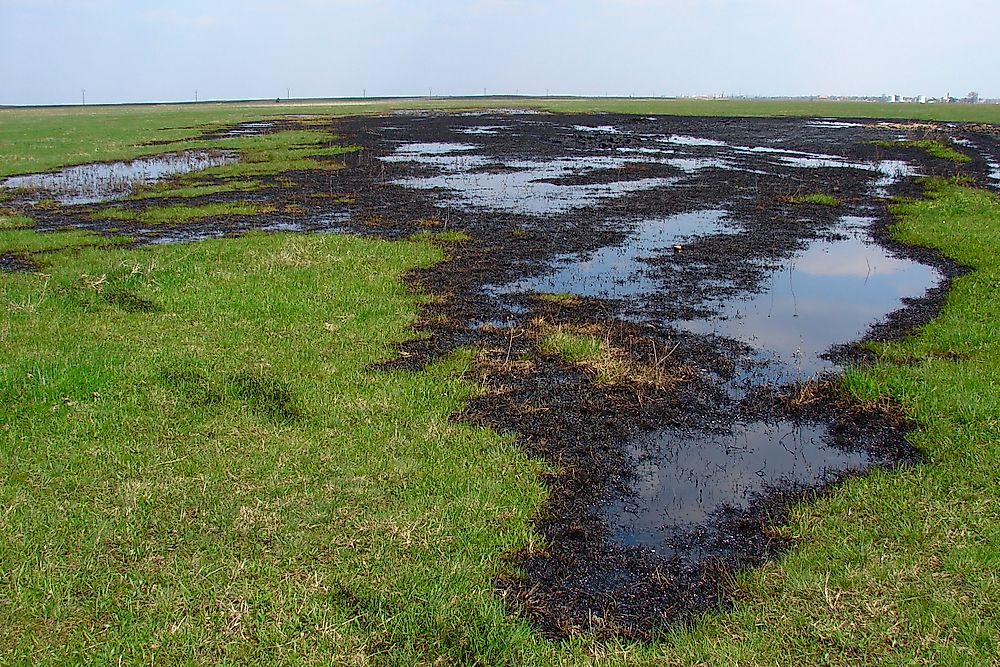
1. Soil degradation: Mismanagement increases acidity levels and causes macronutrient saturation, gradually reducing the soil's sensitivity and absorption capacity — leading to long-term infertility
2. Groundwater contamination: Nutrient runoff pollutes natural water sources, compromising not just current production but the future of agricultural activity in the area
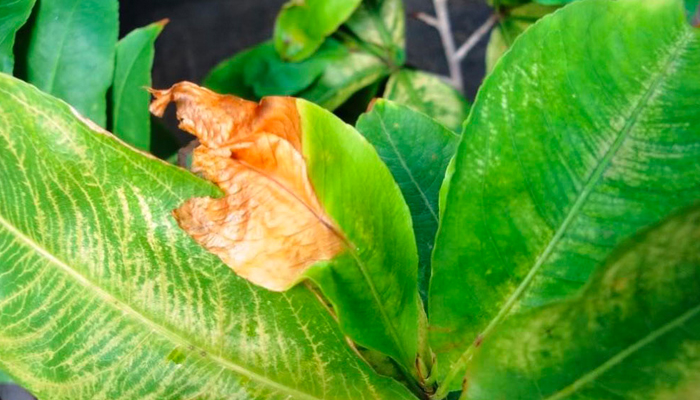
3. Salt burns: Fertilizers with high salt indexes — such as sodium nitrate — dehydrate plant tissue, hindering correct development and reducing yields
4. Exaggerated growth: Excessive fertilizer application causes plant dimensions to exceed normal parameters, placing excessive pressure on root systems and accelerating soil deterioration
For certified organic cashew farming, these inputs are prohibited entirely — not as a constraint, but as the foundation of a system built to remain productive for generations.
In organic cashew cultivation — particularly in growing regions like Binh Phuoc, Vietnam — compost is not supplementary. It is foundational. The benefits it delivers directly support the quality, yield consistency, and long-term viability of certified organic cashew orchards:
- Habitat and soil restoration: Compost improves contaminated, compacted, and marginal soils — helping restore agricultural land to productive capacity
- Improving human health: Crops grown with compost are free from dangerous chemical residues, producing healthier food for consumers and safer working conditions for farming families
- Reducing carbon emissions: Composting food waste and organic matter significantly reduces methane emissions from landfills, while capturing and storing carbon in the soil when applied — directly supporting Target Agriculture's commitment to reducing its carbon footprint
- Improving agricultural yields: Compost adds valuable nutrients that improve overall soil health and promote higher, more consistent crop yields — while reducing water and fertilizer costs over time
- Enhancing soil biodiversity: Composting fosters bacteria, fungi, insects, and earthworms that decompose organic matter, cycle nutrients, and improve soil structure — making farming systems more resilient against pests, diseases, and climate change
- Increasing organic matter: Higher soil organic matter directly improves water-holding capacity, aggregate stability, and nutrient exchange — all critical for cashew trees that need to manage seasonal drought across a 25–30 year productive lifespan
- Preventing soil erosion: Nutrient-rich soil grows deeper-rooted plants that hold topsoil in place — essential in Binh Phuoc's hilly cashew-growing terrain
- Creating healthy plants: Compost encourages thriving plant growth while naturally reducing plant disease and pest pressure — without chemical intervention
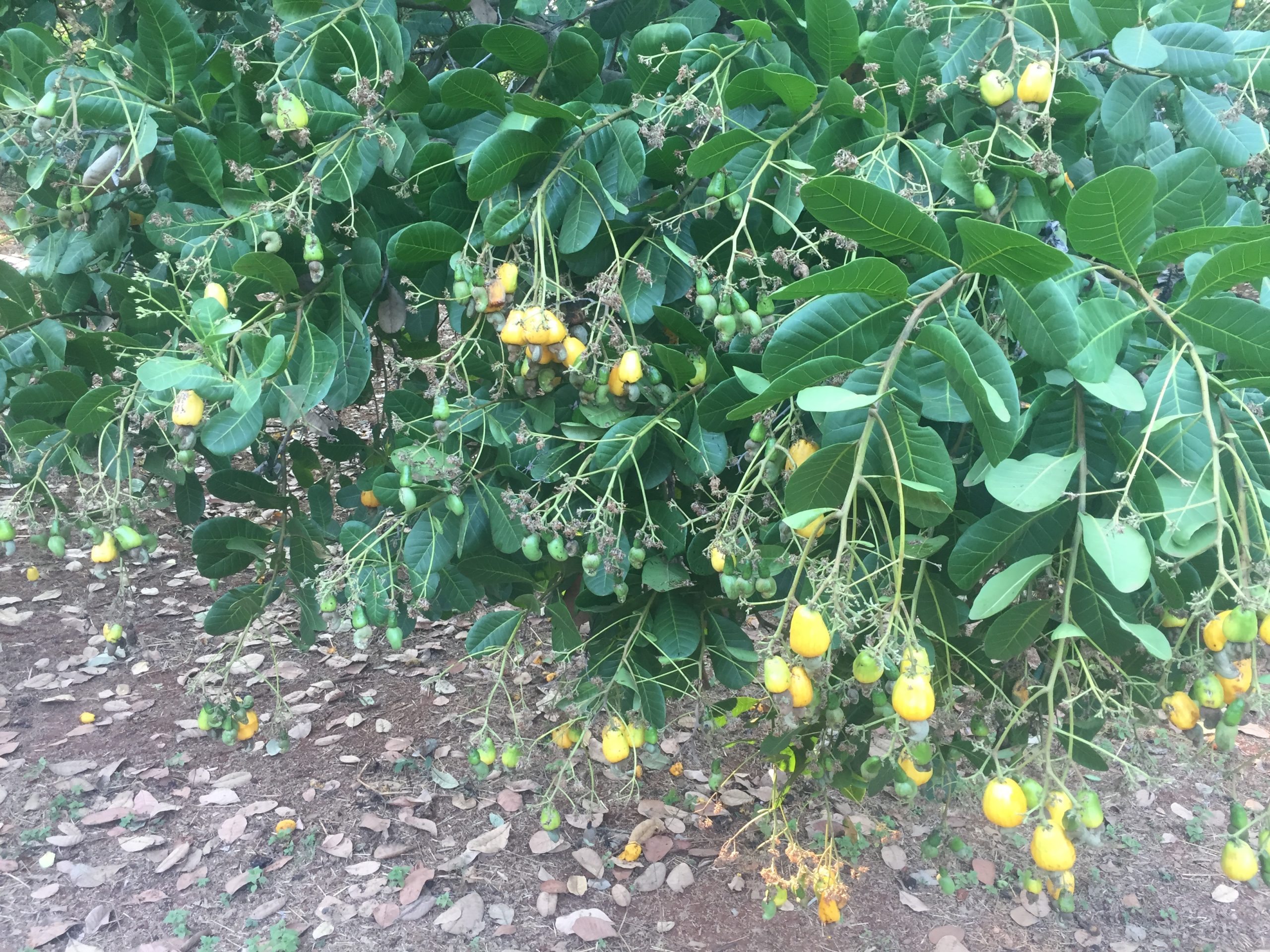
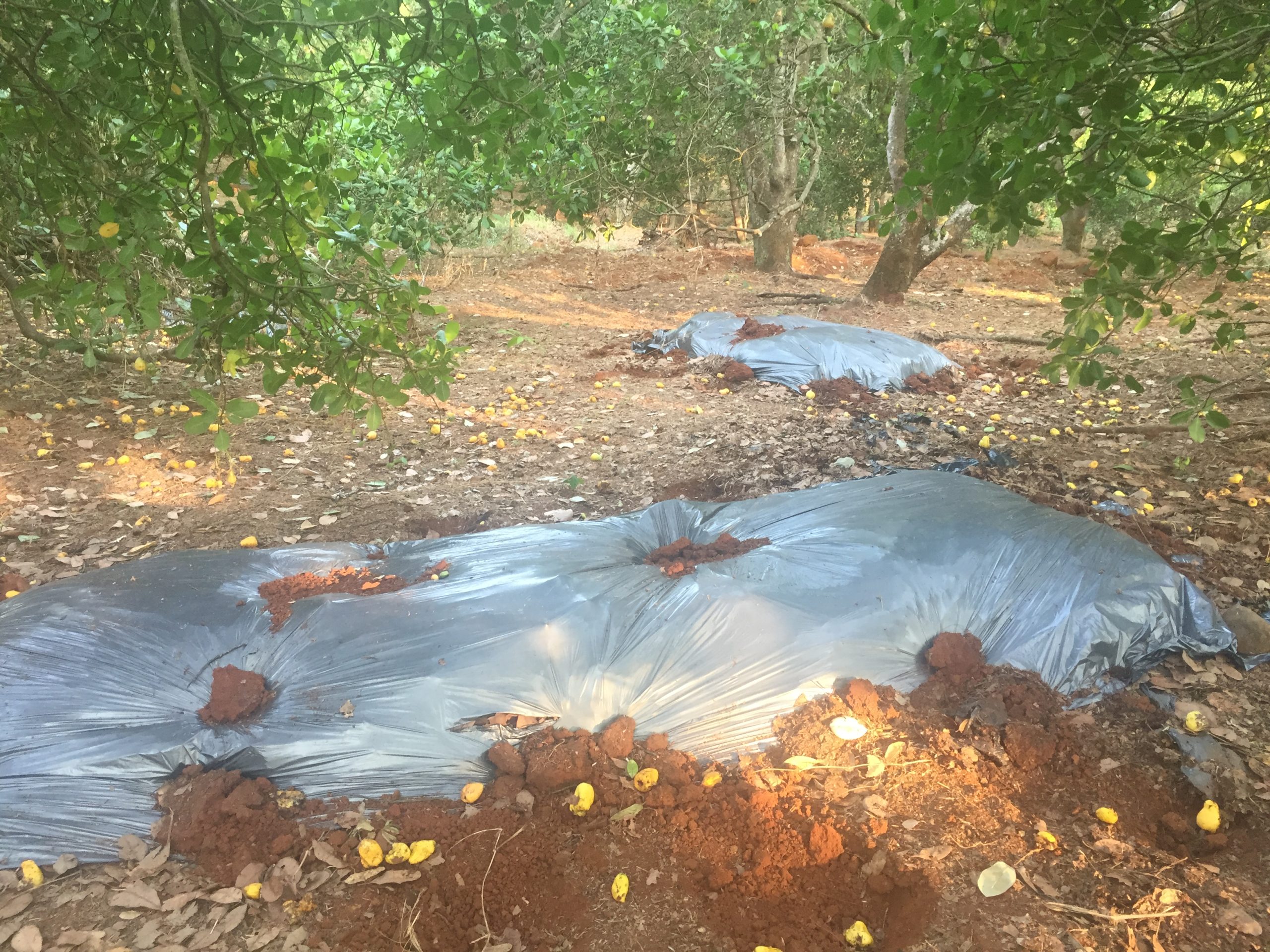
At Target Agriculture Vietnam, composting is an active and documented part of how we manage certified organic cashew orchards in Binh Phuoc province — not a theoretical commitment.
Our composting process uses locally available materials: cow manure, coffee husk, and Trichoderma — a naturally occurring beneficial fungus that accelerates decomposition and actively suppresses soil-borne pathogens. The full decomposition cycle runs for 100–120 days, producing nutrient-rich organic fertilizer applied directly to cashew orchards before each growing season.
Equally important is the knowledge transfer dimension. Our Field Officers work directly alongside farming families — providing hands-on guidance on composting techniques, organic soil management, and sustainable land practices. This capacity-building approach means the benefits compound over time: healthier soil, more consistent yields, and farming families equipped to maintain organic practices independently.
👉 Watch more How Target Agriculture's field officer guide farmers making compost
The ingredient beneath every genuinely organic cashew is healthy, composted soil. The choice between compost and chemical fertilizer is ultimately a choice about what kind of agriculture produces the product in your supply chain — and how long that supply chain remains viable.
For buyers sourcing certified organic cashews, this is not an abstract sustainability consideration. It is the operational foundation that makes certification meaningful, quality consistent, and the farming communities behind the product sustainable for the next generation.
At Target Agriculture Group, every batch of organic cashews from our Vietnam operations is grown on soil managed without synthetic inputs — composted, certified, and traceable from the ground up.
👉 Learn more about Target Agriculture's organic farming practices and sustainability commitments at target-agriculture.com
 YOUTUBE - LINKEDIN