



Ever wondered what it takes to grow organic cashews? Step into a Binh Phuoc farmer's year, season by season, from harvest to flowering.
To obtain high-quality cashew nuts, have you ever wondered what farmers' activities look like throughout the year? Today, step into the shoes of a Binh Phuoc cashew farmer to discover what happens across a full growing cycle — and when.
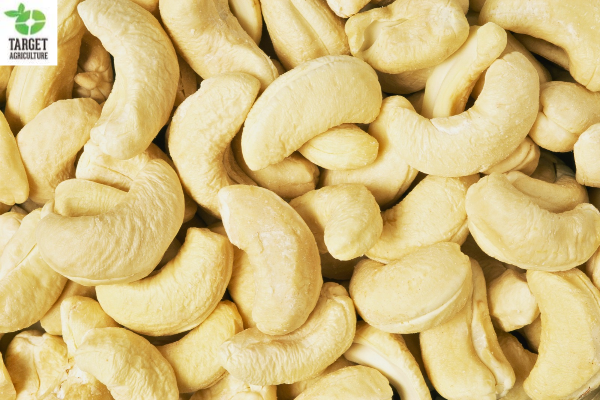
Fig1. Organic cashew products
Throughout the year, farmers carry out numerous activities linked to the cashew tree's growth cycle. Depending on weather conditions and environmental factors, the timing of these activities may vary — occurring either earlier or later than usual. The cashew season typically begins in February, marking the start of the harvest period.
The cashew harvest season in Binh Phuoc typically runs from February to May. This period features dry weather and warm sunshine, creating ideal conditions for the cashews to ripen evenly and achieve the highest quality. At this time of year, weather conditions play a very important role in determining cashew quality.
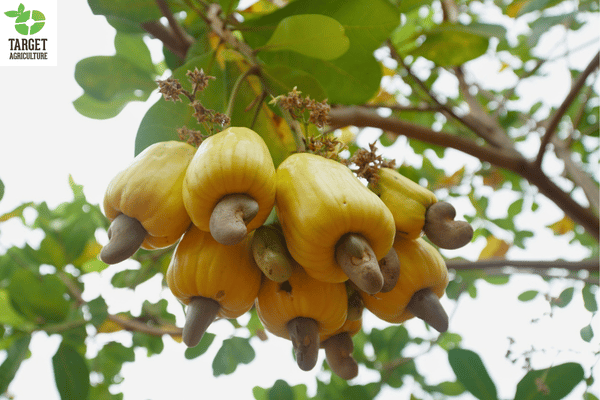
Fig 2. Organic cashew fruits
When the cashew fruits ripen and fall to the ground, farmers go around the orchards to gather them, collecting the cashew apples one by one and separating the nuts from the fruit.
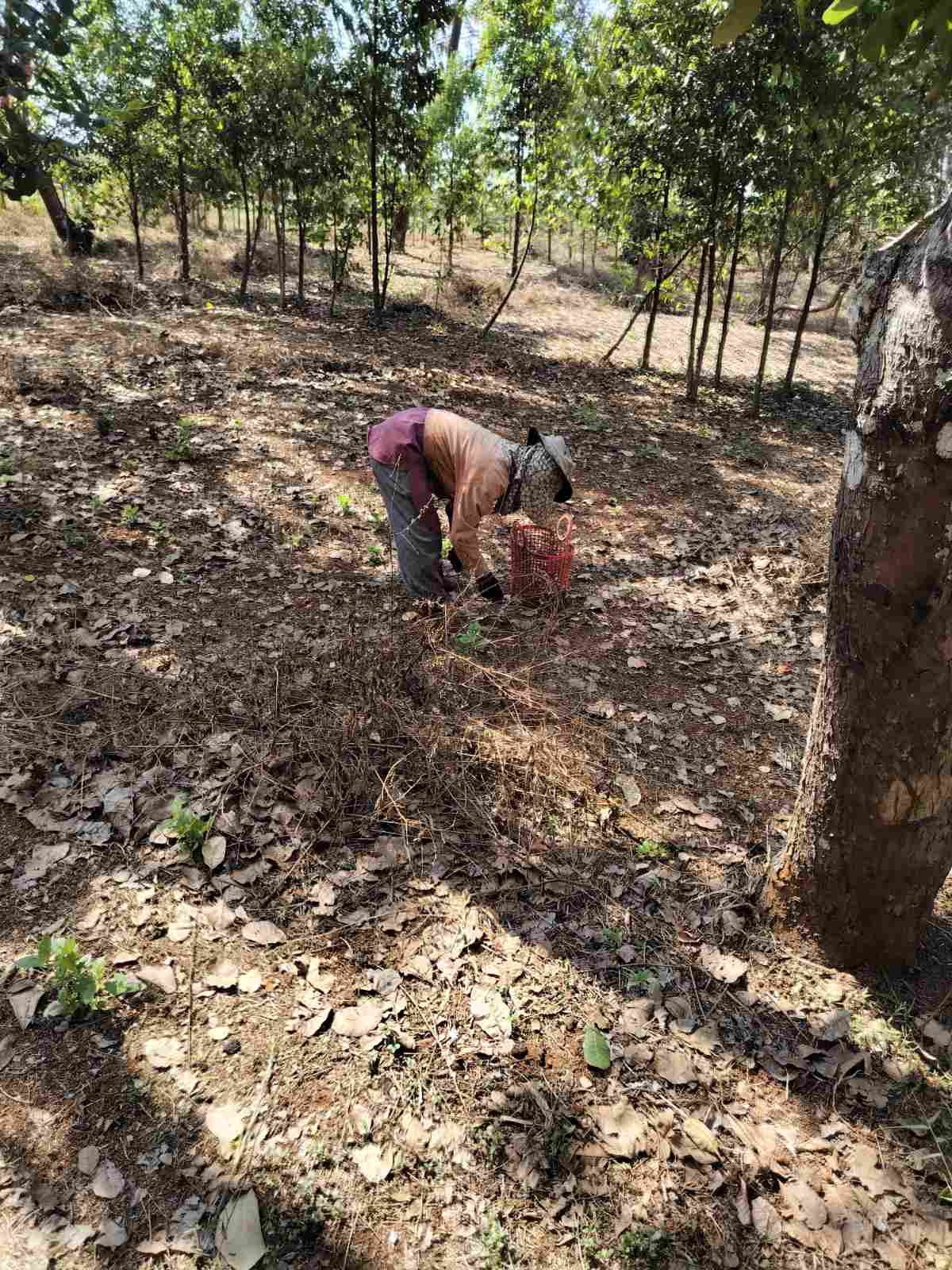
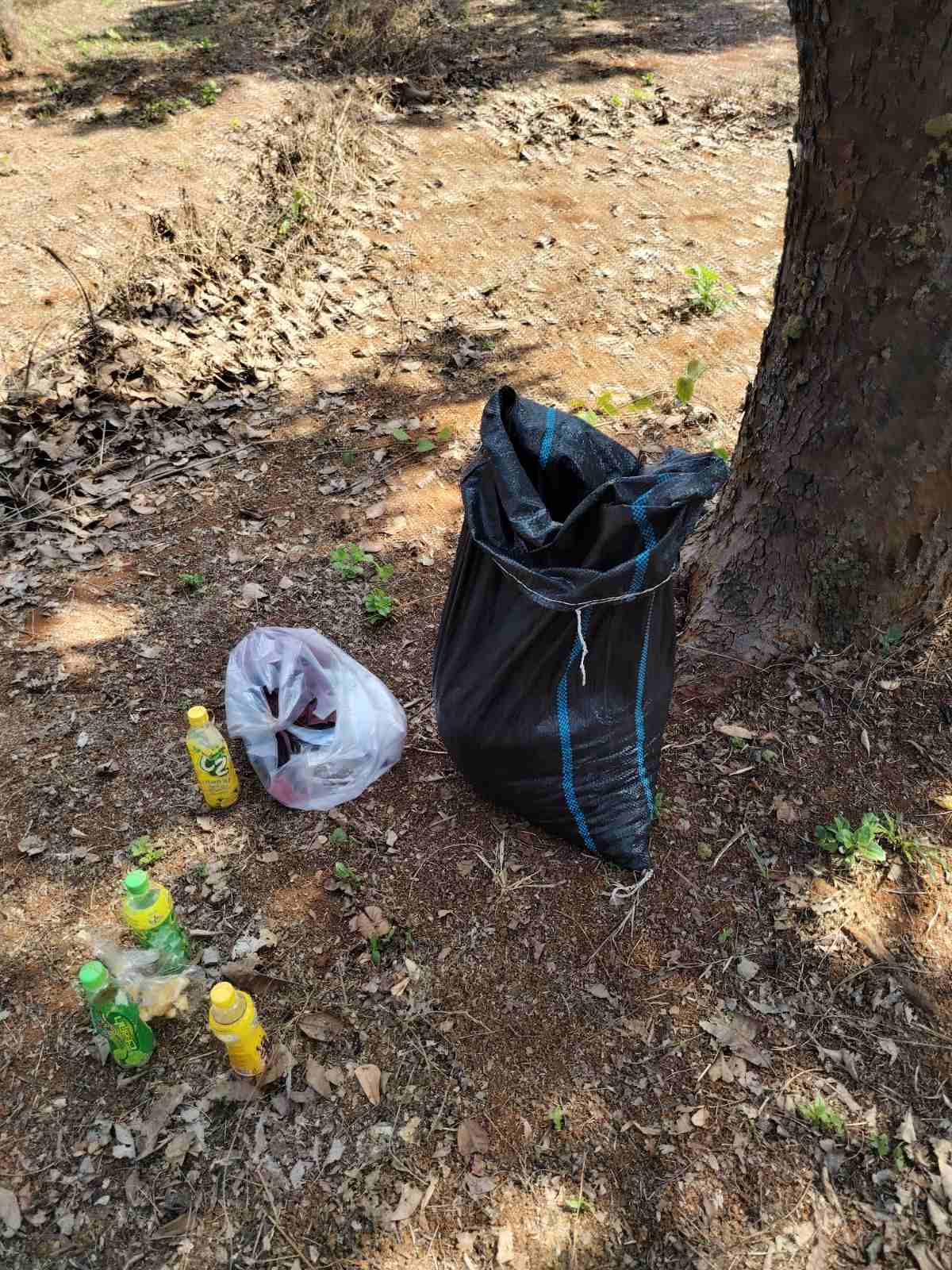
Fig 3. Farmer gathering organic cashew nuts
Afterwards, farmers take the freshly harvested bags of cashews to cooperatives partnered with the company to sell them.
With the passing of May, the cashew harvest season concludes, and the orchards enter a depleted state after expending significant nutrients to nourish the fruit: slow production of new shoots, yellowing leaves, withered branches, a weakened root system susceptible to stem borers and fungal disease, and the risk of low yield or sparse, non-uniform flowering the following season.
Proper post-harvest care not only helps the trees recover quickly but also lays the foundation for higher yields the following season:
- Weeding, clearing, and fire prevention during the dry season
- Pruning to shape the canopy and remove diseased or pest-infested branches
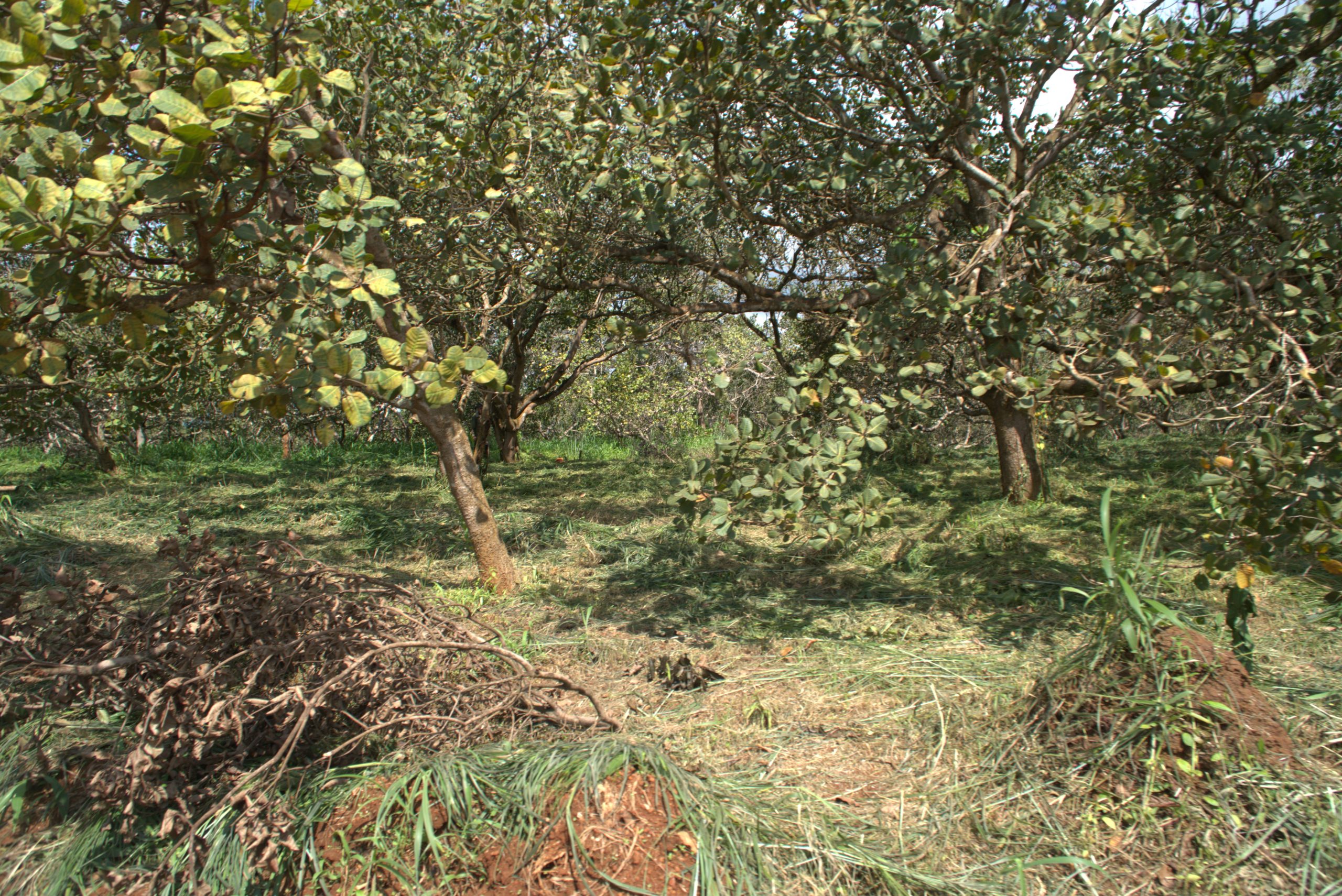
Fig 4. Weed control in farm
- Planting new trees or replacing dead ones
- Applying organic compost
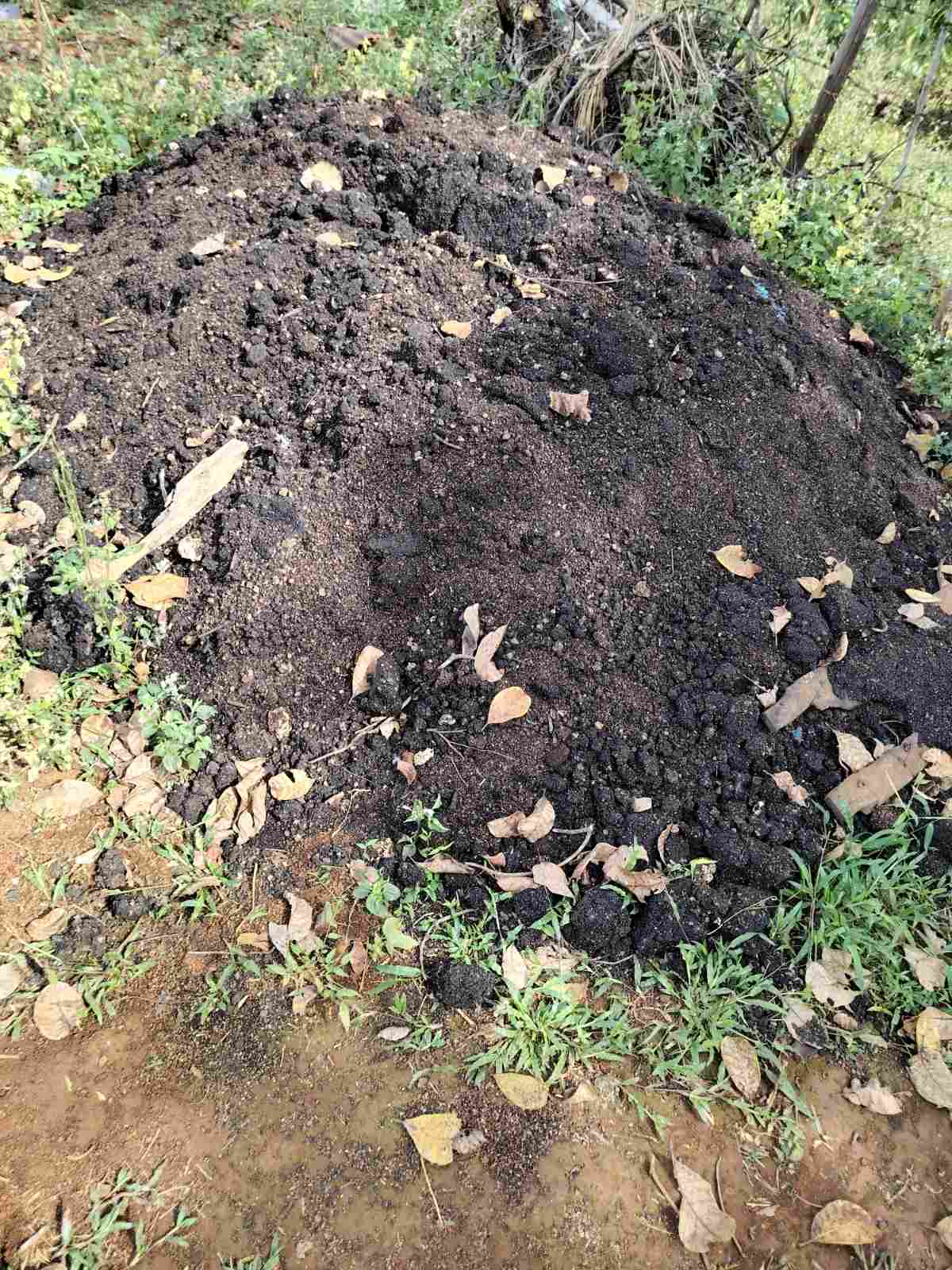
Fig 5. Making compost for plants
This period marks a critical transition from vegetative growth to flowering and fruit set. Core activities include:
- Conducting regular orchard inspections
- Controlling mosquito bugs and worms
- Preventing anthracnose
- Collecting and destroying diseased branches and leaves
- Applying organic compost
During this stage, farmers monitor the flowering rate and manage pests and diseases affecting the blossoms. Maintaining good airflow and garden hygiene is essential — clearing away dense undergrowth, removing weeds around the base of the plants, and gathering dried leaves and branches to ensure proper ventilation and eliminate hiding places for pests and pathogens.
This is also the most weather-sensitive window in the cashew growing cycle: foggy, humid, or rainy conditions create ideal conditions for anthracnose fungi, which can cause blossoms to wither and turn black. Diseased branches must be pruned promptly to control fungal infection.
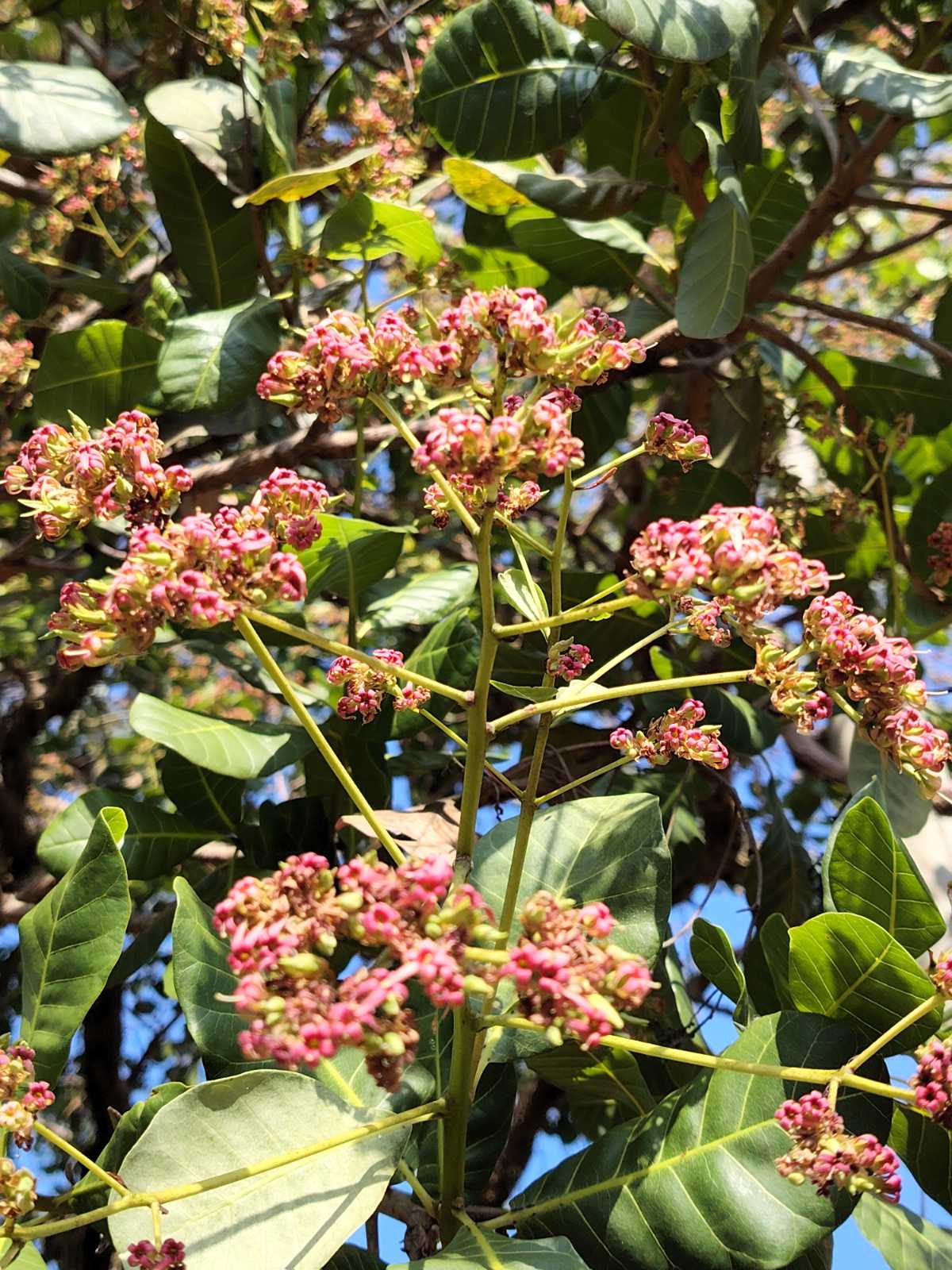
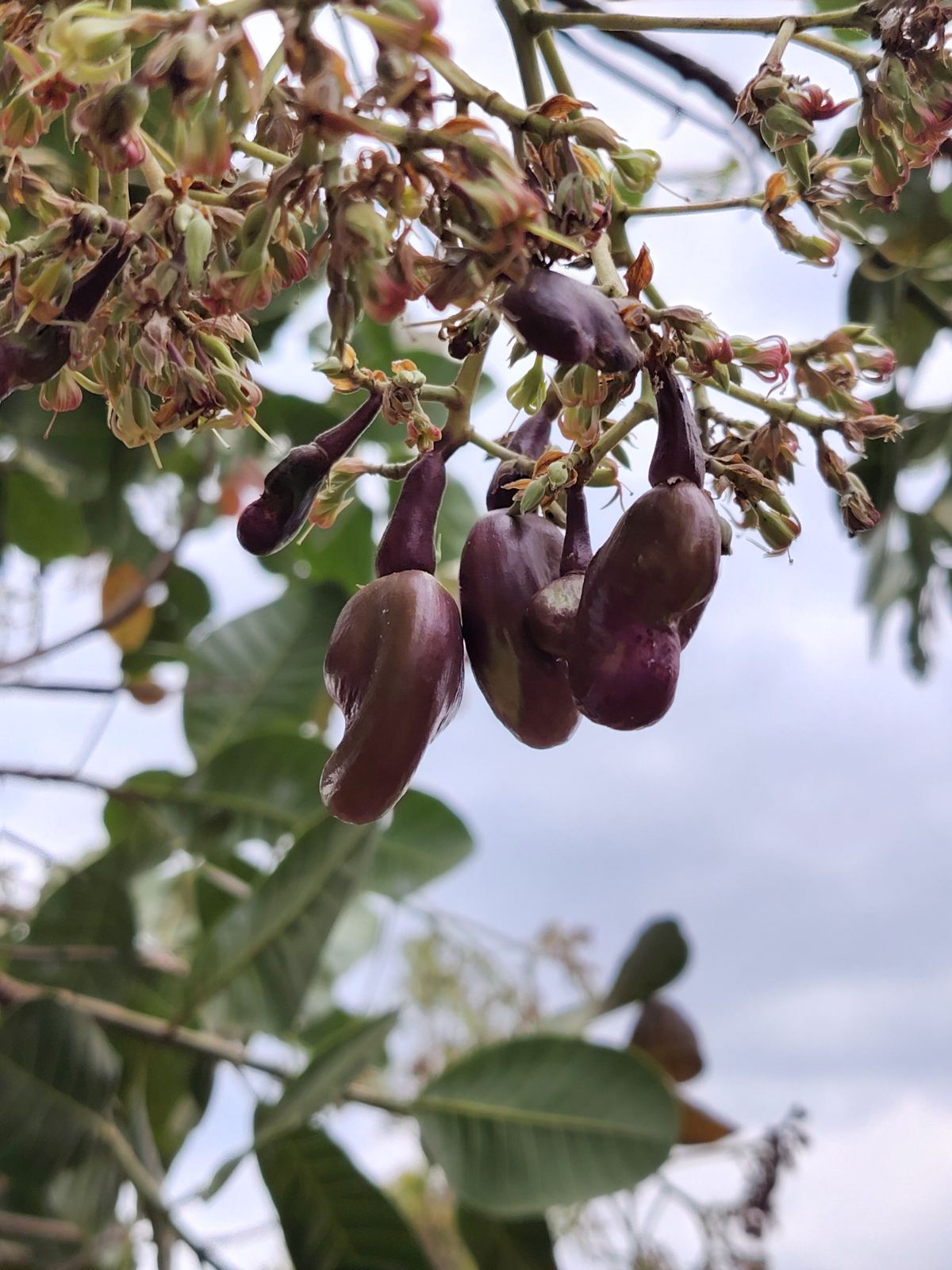
Fig 6. Flowering and fruit-setting stage
From a production perspective, Binh Phuoc cashew farmers engage in seven main groups of activities throughout the year: land preparation and orchard sanitation → applying compost → pruning → pest and disease management → blossom care → fruit care → harvesting and storage. These activities repeat annually within the cashew cultivation cycle.
To produce high-quality cashews, farmers execute these cultivation techniques with great proficiency — a cycle repeated, season after season, year after year.
At Target Agriculture, every product you receive is crafted by skilled Binh Phuoc farmers who follow this seasonal cycle with care, season after season.
👉 Contact Target Agriculture to learn more about our Binh Phuoc organic cashew sourcing.
 YOUTUBE - LINKEDIN